
Van Lang University Faculty of Dentistry Hosts Specialized Workshop on Occlusal Diagnosis and Treatment


On December 21, 2025, the Faculty of Dentistry at Van Lang University, in collaboration with the MESI Medical Solutions Center, organized the workshop “In Search of Lost Occlusion”, offering a multidimensional perspective on the role of occlusion in contemporary dentistry. The event attracted nearly 300 dentists and dentistry students from across Vietnam.
The workshop featured Prof. Jean-Daniel Orthlieb, former Vice Dean of the Faculty of Dentistry at Aix-Marseille University (France), and Assoc. Prof. Dr. Tran Ngoc Quang Phi, Head of the Faculties of Health Sciences and Dean of the Faculty of Dentistry at Van Lang University. Department heads and faculty members of the Faculty of Dentistry also attended the event.
Where Is My Occlusion?
To address the question “Where is my occlusion?”,Assoc. Prof. Dr. Tran Ngoc Quang Phi opened the workshop with an overview of occlusion, emphasizing that it is not merely tooth contact but encompasses the entire masticatory system. During function, all components—from the temporomandibular joints and musculature to occlusal contacts—must work in harmony. Ensuring this balance is a key consideration in patient treatment and is closely associated with neurological and psychological factors.
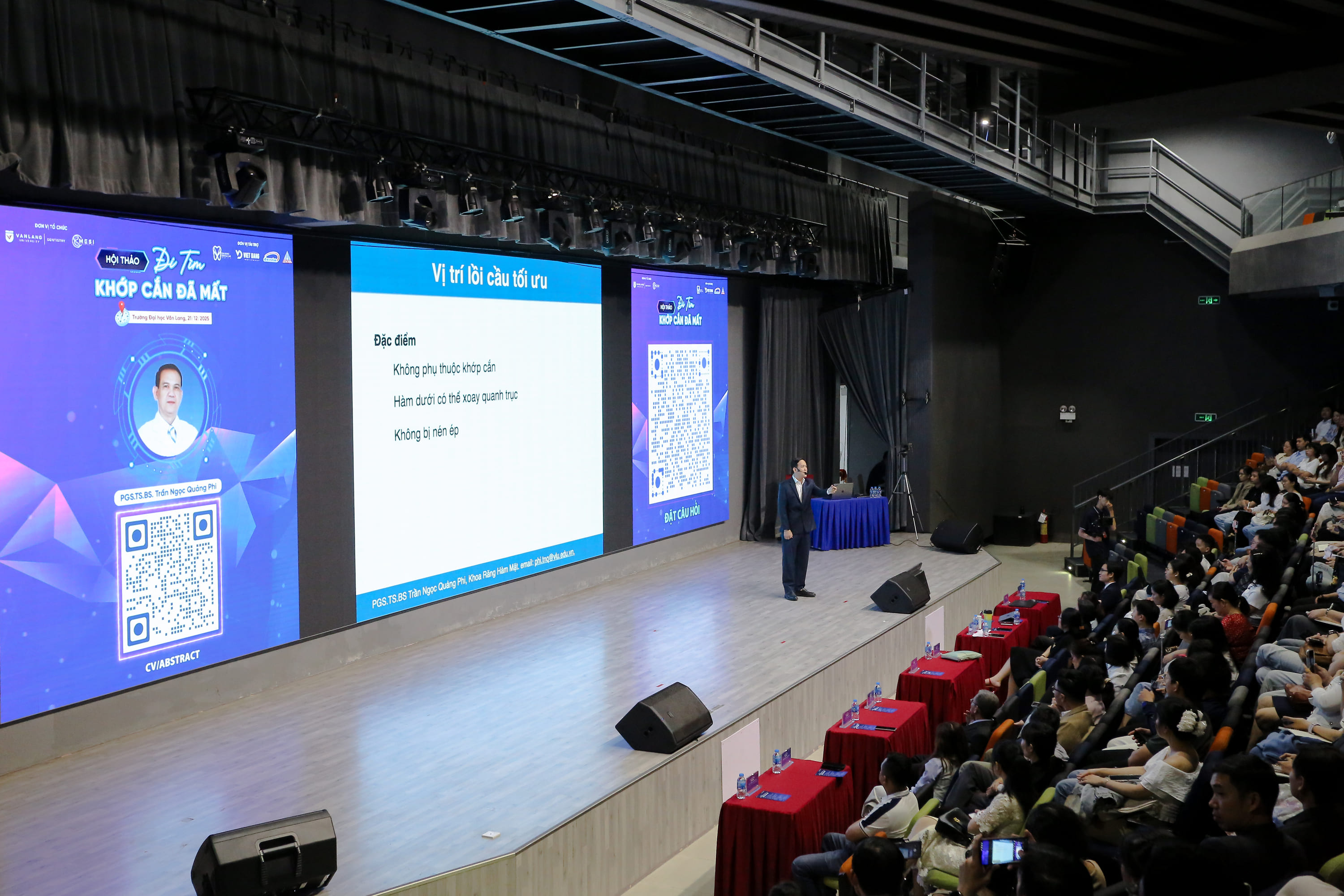
He emphasized that treatment goals extend beyond mastication and aesthetics. Occlusion is also closely related to spinal posture and the body’s ability to manage stress through the masticatory system. To restore a patient’s occlusion, dentists must ensure two fundamental prerequisites: an optimal condylar position within the glenoid fossa and a harmonious functional occlusion. Any deviation from these conditions may pose risks to long-term oral health.
Occlusal Recording in Contemporary Dentistry
In this session, MSc. DDS. Phan Minh Khoi, Lecturer of the Department of Basic Dentistry, Faculty of Dentistry, Van Lang University, provided a systematic overview of methods used to record and analyze occlusal contacts. These ranged from traditional tools such as articulating paper, bite wax, and silicone materials to digital technologies including Intraoral Scanning (IOS), T-Scan, and OccluSense. According to a survey conducted during the workshop, articulating paper remains the most commonly used tool due to its simplicity and affordability, while quantitative occlusal analysis systems are still relatively limited in clinical practice.
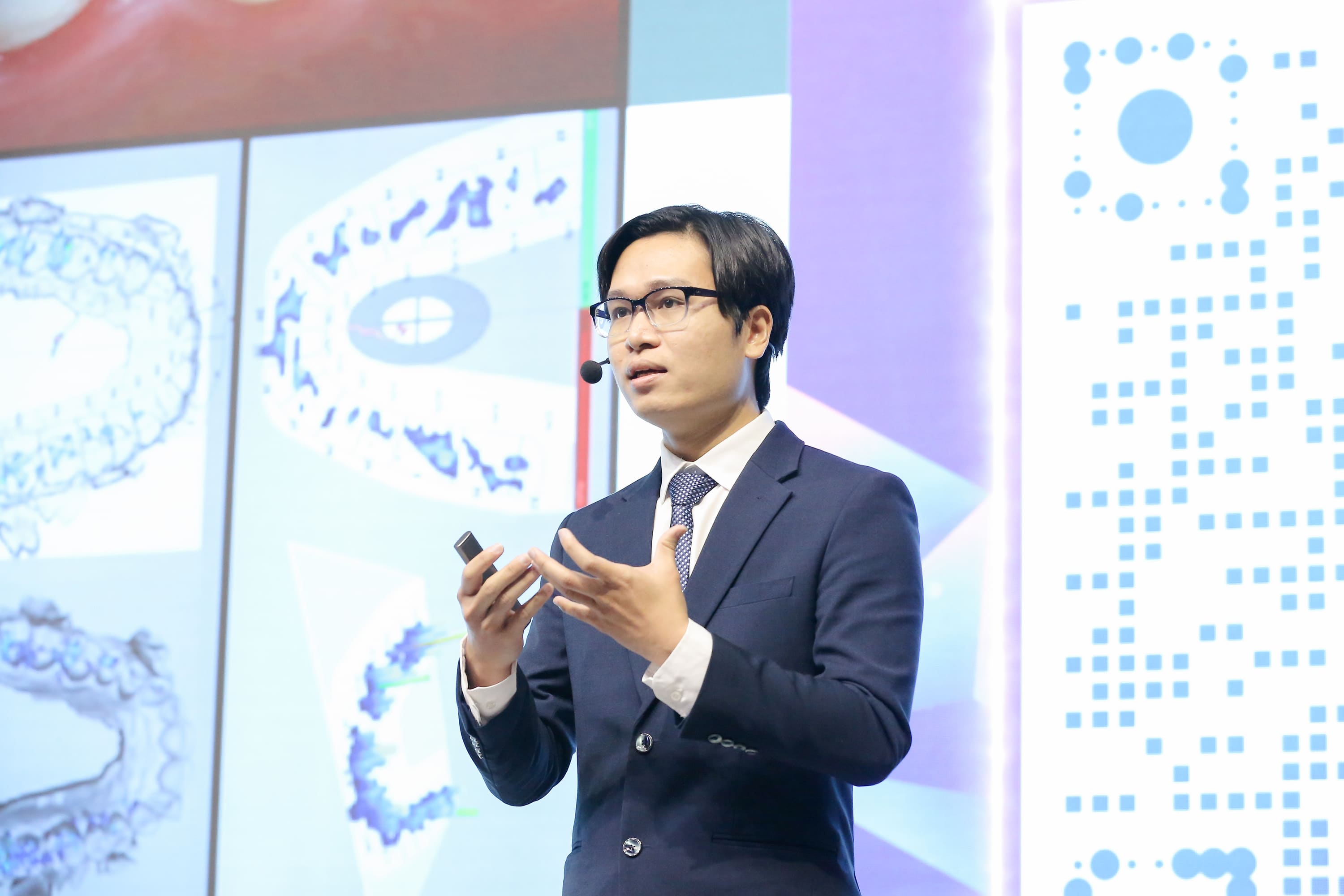
Drawing on these findings, Mr. Phan Minh Khoi analyzed the advantages and limitations of different types of articulating paper, noting that the size or intensity of bite marks does not accurately indicate occlusal force overload. He emphasized that the selection of supporting tools should be flexible depending on each clinical case, and that patients’ occlusal perception remains a subtle and irreplaceable factor in occlusal adjustment and control.
Finishing Occlusion in Orthodontics: An Occlusal Perspective
From an orthodontic perspective, MSc. DDS. Nguyen Vu Thuy Quynh, Visiting Lecturer in the Department of Basic Dentistry, Faculty of Dentistry, Van Lang University, emphasized that the ultimate goal of orthodontic treatment extends beyond aesthetics. More importantly, it aims to establish a stable functional occlusion capable of preventing temporomandibular disorders and minimizing relapse.
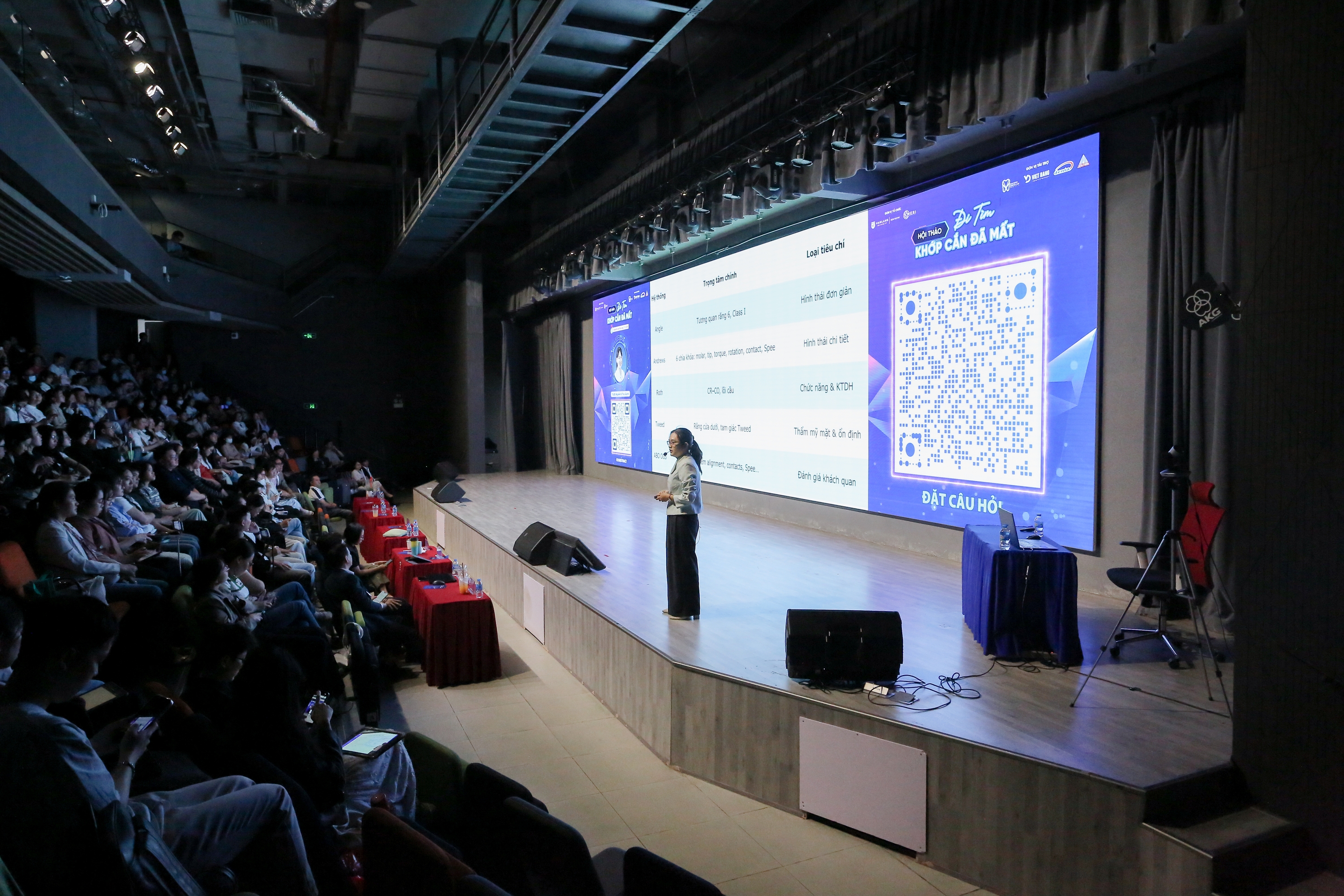
Clinically, achieving functional occlusion requires precise diagnosis and three-dimensional control of tooth movement. Vertically, clinicians must ensure proper interdigitation and balanced bilateral occlusal planes; transversely, dental arch form should be compatible with the musculature associated with different facial types, while molar angulation must be carefully controlled to prevent occlusal locking; anteroposteriorly, reestablishing the Curve of Spee and ensuring functional freedom angles of incisors and canines are critical considerations.
Occlusal Dysesthesia Following Restorative Treatment
In her presentation on “Occlusal Dysesthesia Following Restorative Treatment,” Dr. Tran Thi Nguyen Ny, Head of the Department of Basic Dentistry, Faculty of Dentistry, Van Lang University, highlighted that many patients experience persistent discomfort following restorative procedures or occlusal interventions. These patients often request repeated occlusal adjustments, consult multiple dentists (“doctor shopping”), experience increasing anxiety, and report worsening symptoms after each intervention. These are characteristic manifestations of Occlusal Dysesthesia (OD).
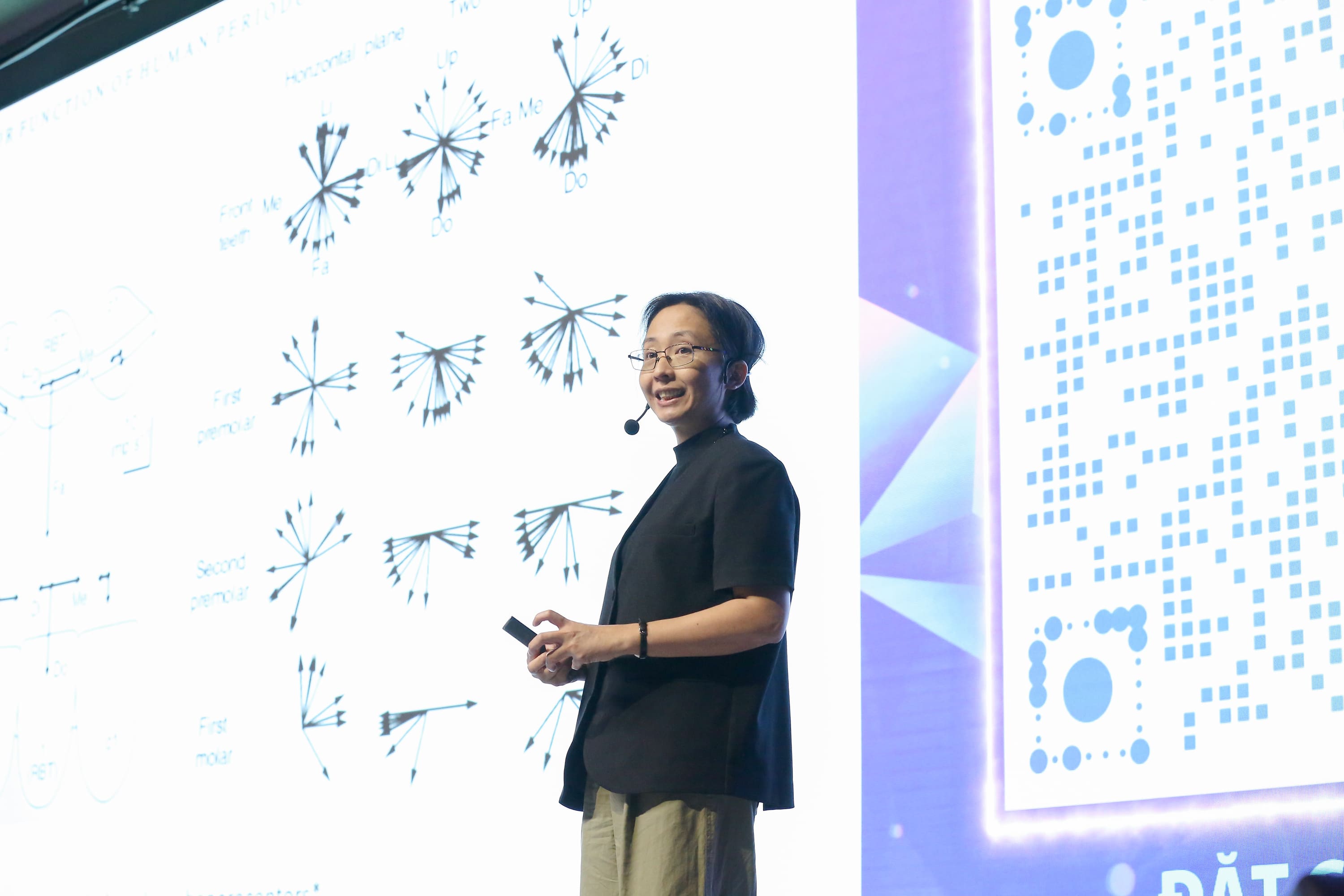
The speaker stressed the importance of early recognition of OD to avoid the “intervention trap,” emphasizing the need to distinguish OD from temporomandibular disorders and genuine prosthodontic errors. In cases of OD, repeated occlusal adjustments often aggravate symptoms; priority management includes discontinuing unnecessary interventions, reassuring patients, using provisional restorations or occlusal splints when appropriate, and incorporating therapeutic communication and psychological support. In this context, the dentist’s role extends beyond technical expertise to overseeing the treatment process and safeguarding both patients and practitioners from potential long-term medical and legal consequences.
Talkshow: “All About Dental Occlusion”
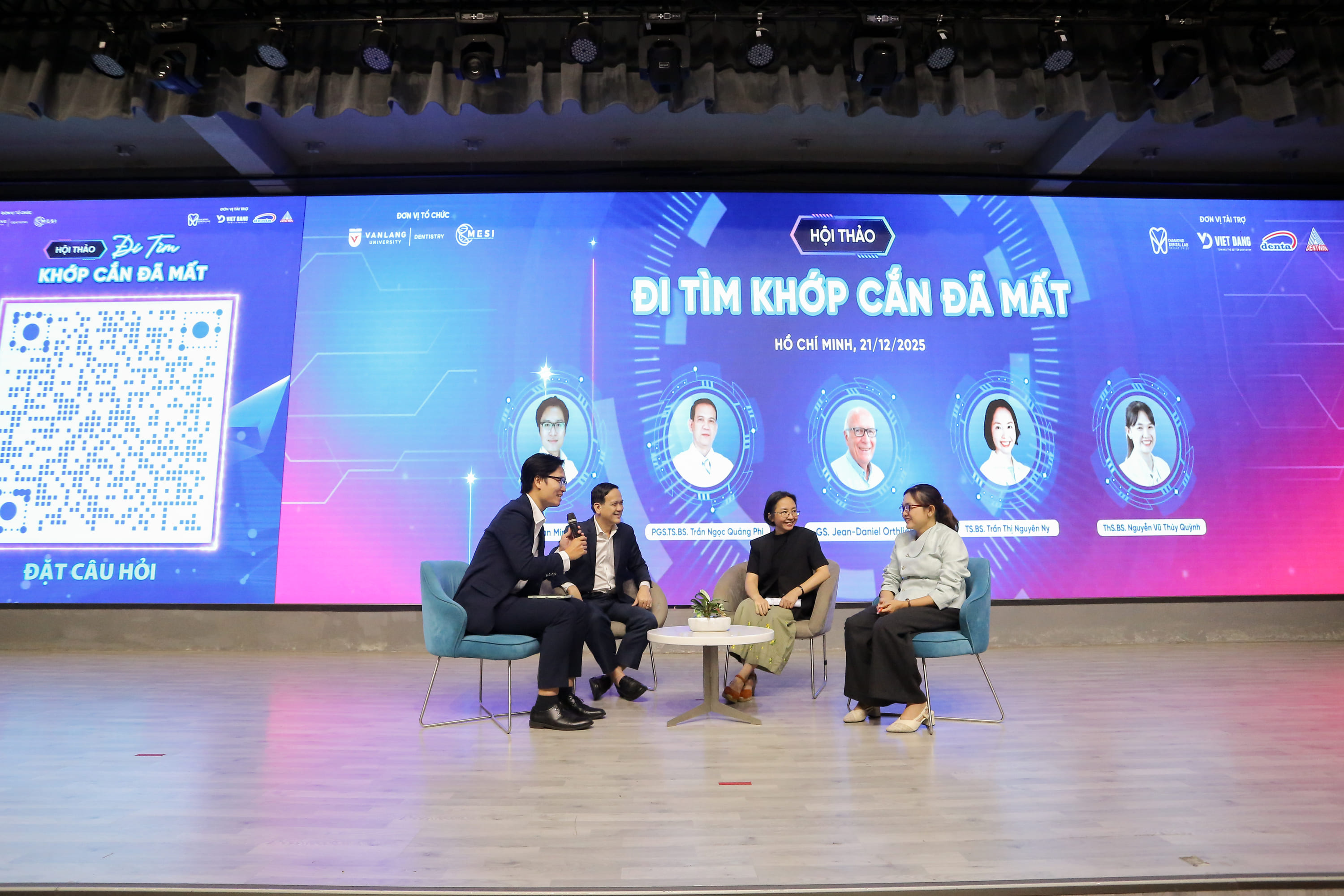
During the discussion session, speakers explored key issues ranging from diagnosis to clinical practice. The conversation focused on the strategic role of Cone Beam Computed Tomography (CBCT) in evaluating osseous structures and temporomandibular joints. The experts also underscored the importance of comprehensive diagnosis and interdisciplinary collaboration, enabling clinicians to address challenges related to relapse, treatment failure, and the development of stable, sustainable occlusal rehabilitation protocols for patients.
Restoring Lost Occlusion
Drawing inspiration from Marcel Proust’s In Search of Lost Time, Prof. Jean-Daniel Orthlieb emphasized that the success of modern digital dentistry cannot be separated from the classical foundations established in the past. Technology, he noted, serves as a supportive tool built upon enduring principles.
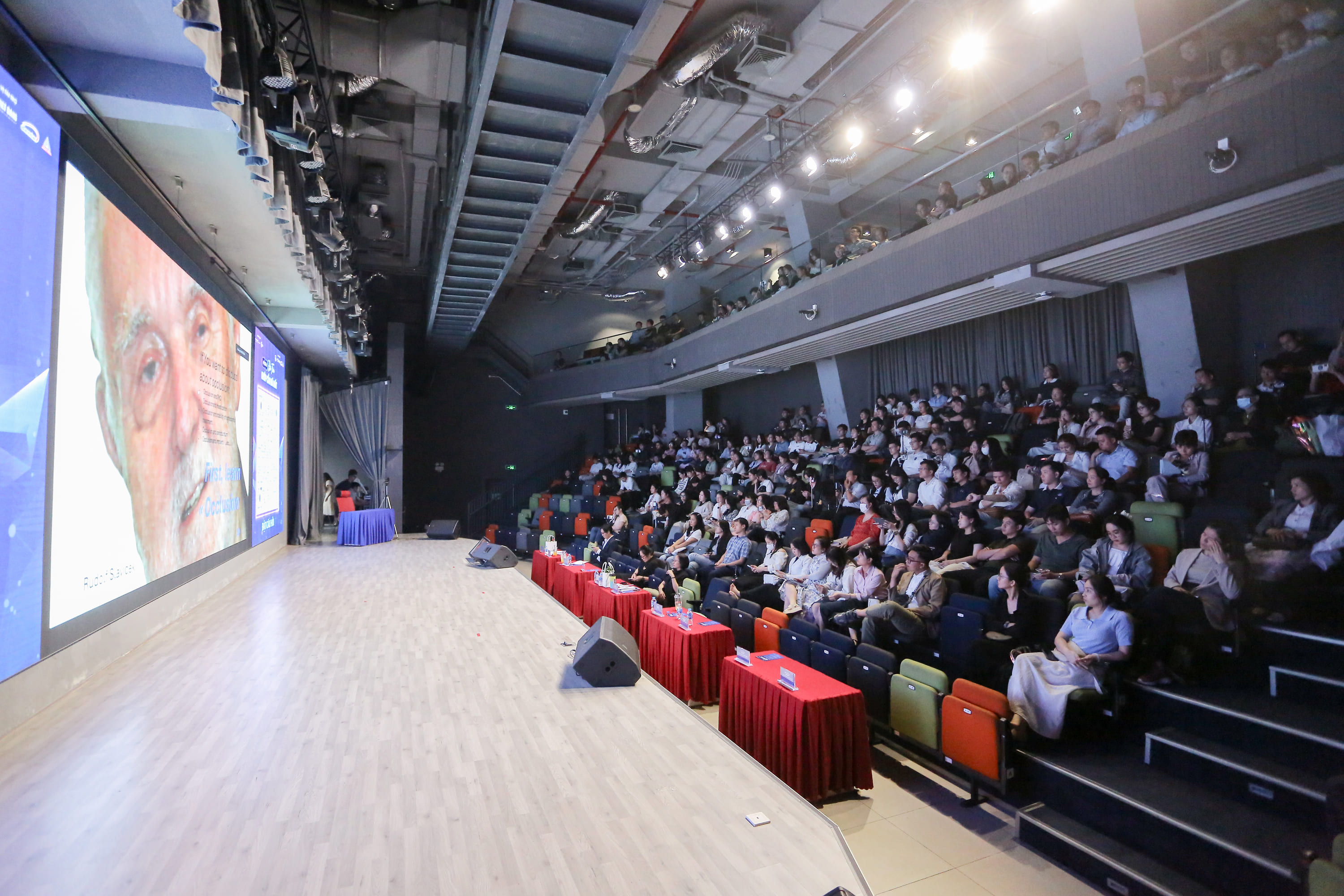
From a clinical perspective, the professor examined three core functions of occlusion: stability (the static condition that stabilizes the mandible), centric relation (the comparison of condylar position between maximum intercuspation and centric relation), and guidance (dynamic mandibular movements during function). Using clinical cases such as post-orthodontic open bite and bruxism-related tooth wear, he proposed a minimally invasive treatment workflow that begins with simulation on diagnostic models, either through conventional wax-ups or digital methods. This is followed by intraoral transfer using the stamp technique with composite materials to achieve functional stability and maintain long-term treatment outcomes.
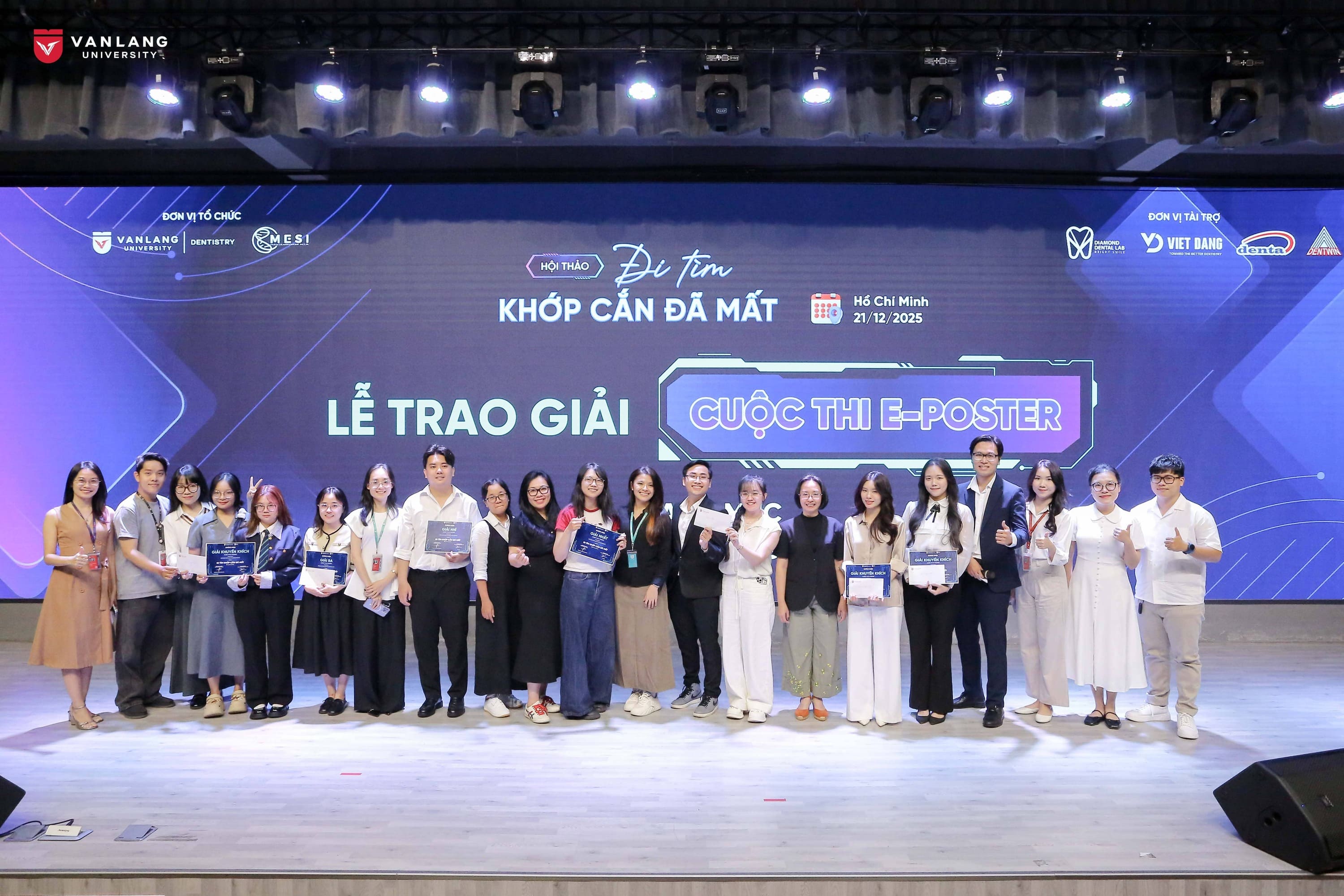
As part of the workshop, the Organizing Committee announced the results of the E-Poster Competition, an academic platform dedicated to students of Class 26 and the first class of the Second Bachelor's Degree Program at the Faculty of Dentistry, Van Lang University. Participants presented clinical cases related to occlusion, bruxism, and temporomandibular disorders in E-Poster format. Competition results: First Prize: Group of students: Phan Nguyen Nhat Thinh, Nguyen Chuc Quynh Nhu, Phan Hong Trang Second Prize: Group of students: Nguyen Dinh Phu, Thach Tran Nguyen Huan, Thach Tran Minh Uyen Third Prize: Group of students: Vu Minh Tri, Le Mac Dang Thanh, Nguyen Thi Ngoc Minh, Dinh Le Quoc Hoang Encouragement Prizes:
|
News: Trung Hieu
Photos: Quynh Nhu
Tags