
Van Lang University Collaborates with PolyU (Hong Kong) Students in an Environmental Service Learning Program


On January 9, 2026, at Van Lang University, students from The Hong Kong Polytechnic University (PolyU) participated in the final presentation session of the Service Learning course “Building Green Communities with Environmental NGOs,” focusing on the topic of food waste.
The course, organized by PolyU in collaboration with Van Lang University, created opportunities for students from both institutions to learn, gain practical experience, exchange ideas, and propose practical solutions to environmental issues, contributing to sustainable community development.
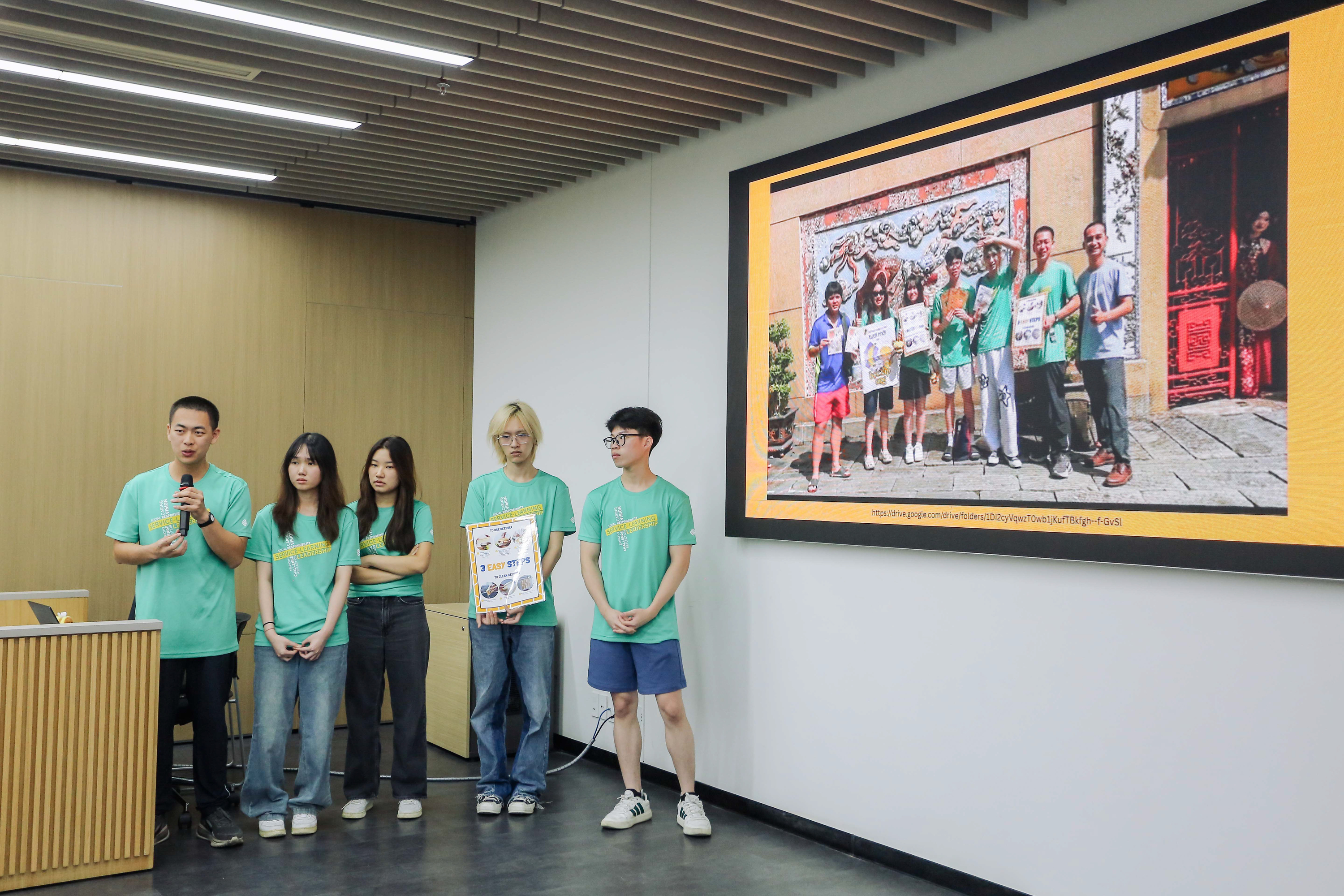
Students were divided into four groups to implement projects including the Food Transformer Project; Small Portions – a proposal encouraging restaurants to offer smaller portion options; Beeswax Wraps – an alternative packaging solution using beeswax to replace single-use plastics; and the Food Waste Reduction Mystery Box. The highlight of the program lay not only in the diversity of solutions but also in each group’s approach, which was grounded in data, field experience, and direct feedback from the community.
At the same time, Van Lang University students actively participated in the implementation process by contributing ideas to refine the projects, while also supporting PolyU students in connecting and engaging with local residents to collect data. As a result, the proposed solutions were better adapted to the practical context of Vietnam.
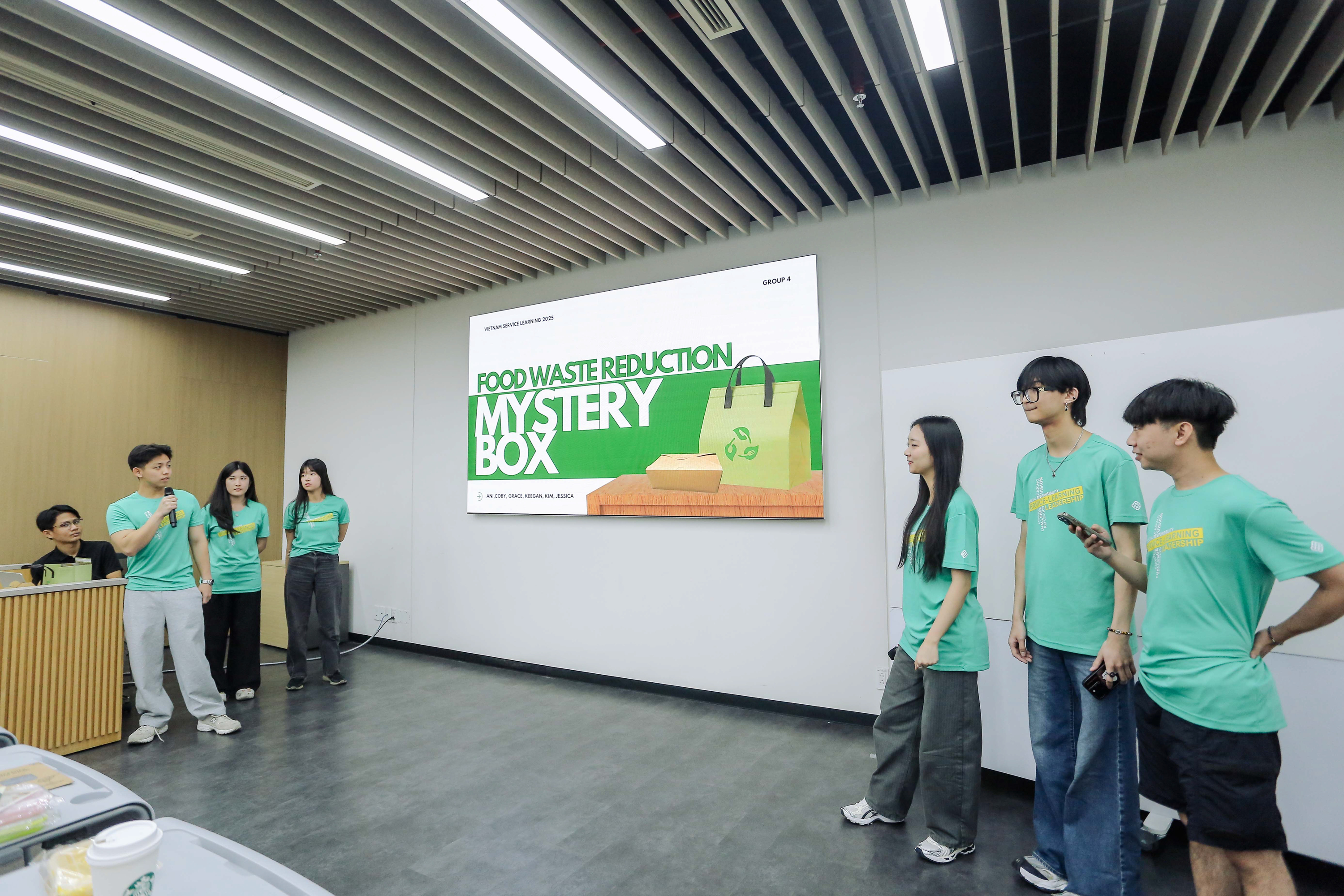
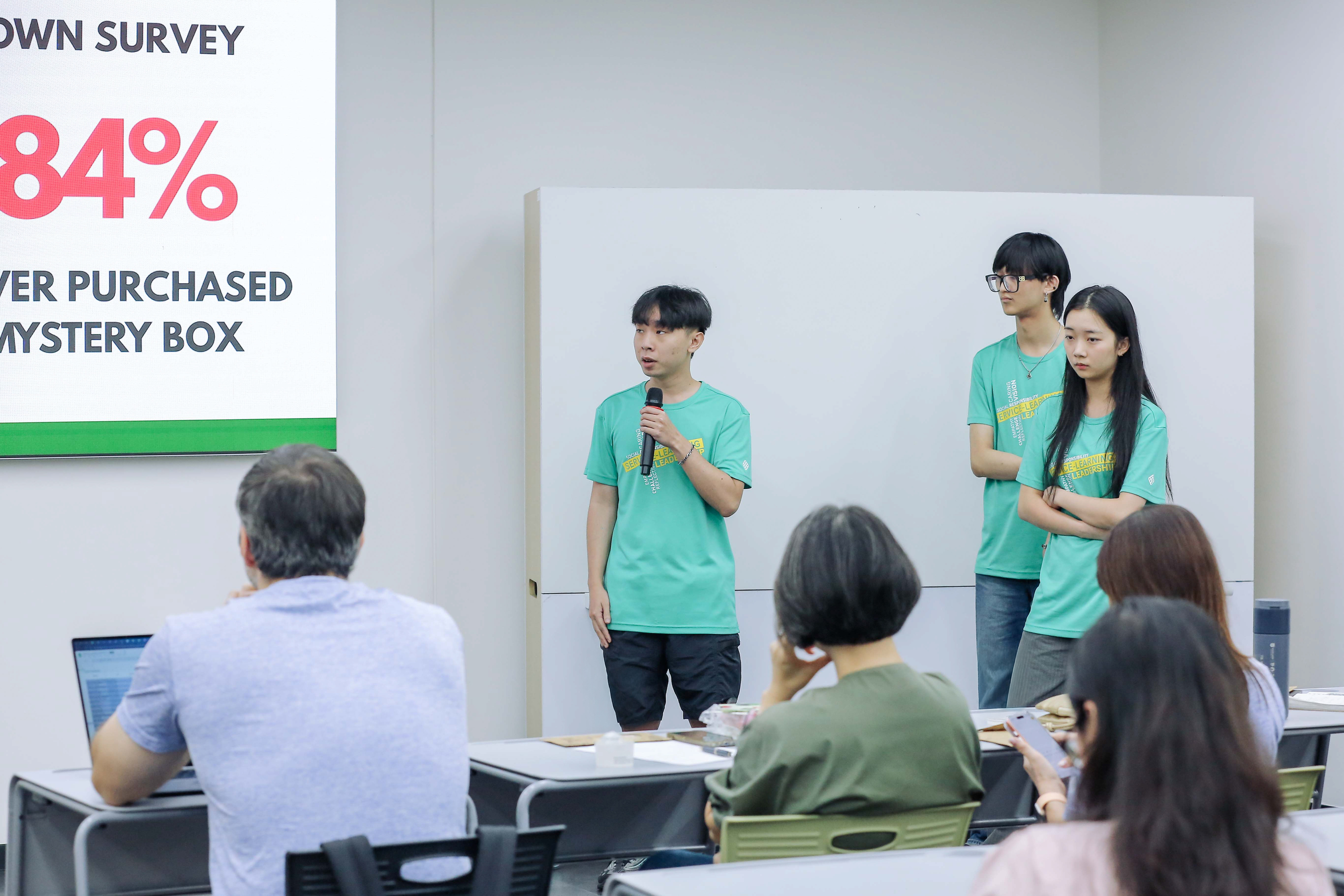
During the implementation process, student groups did not begin by proposing solutions immediately. Instead, they focused on observing consumer behaviors and conducting interviews with both sellers and buyers. Field visits to traditional markets, retail stores, supermarkets, and collaboration with businesses, enabled students to clearly identify the gap between sustainable development theories and the practical settings in Vietnam, where factors such as cost, habits, and community trust play a decisive role.
Notably, generational differences emerged as a recurring factor across many projects. While younger consumers showed openness toward new solutions and sustainable values, older groups tended to prioritize familiarity, affordability, and low-risk options. This reality helped students realize that there is no one-size-fits-all solution; rather, each proposal must be flexibly adapted to different target groups.
In addition to consumer data, expert insights from faculty members and business representatives played a crucial role in shaping the projects. During the presentation session, numerous in-depth questions and critical discussions were raised, focusing on aspects such as food safety, quality control, cultural relevance, and practical feasibility.
Dr. Huynh Tan Loi, Head of the Doctoral Program, Faculty of Environment, Van Lang University, highly commended the students’ efforts in engaging with the community, emphasizing that environmental solutions must be built on clear, transparent processes and aligned with local consumer behavior.
In addition, Ms. Ngo Thi Phuong Thao, Corporate Affairs Director of Circle K Vietnam, directly raised questions and provided practical feedback, helping students gain a clearer understanding of the feasibility, collaboration potential, and conditions for implementing their solutions within the context of Vietnamese businesses and the local market.
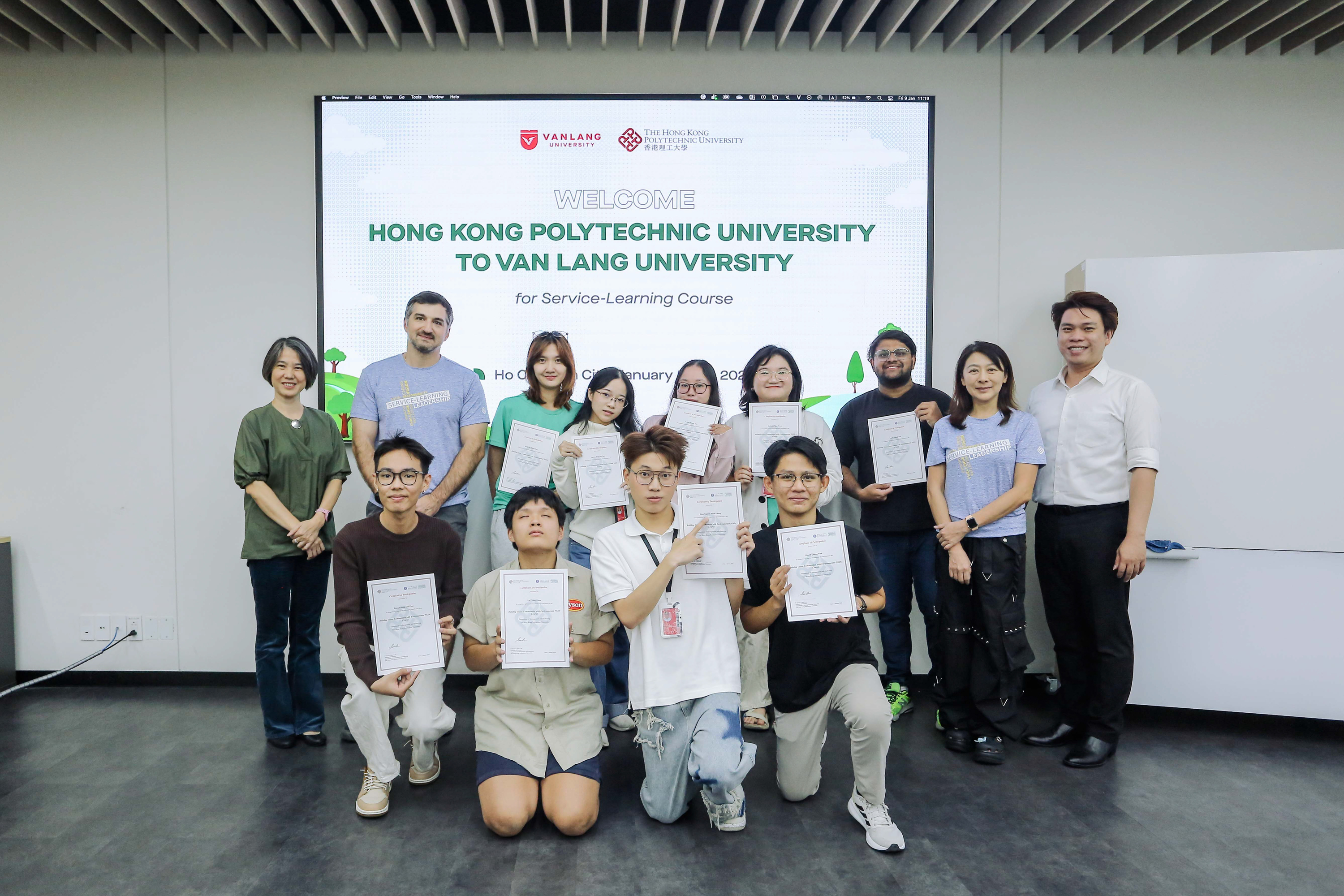
The presentation session concluded with the expectation that international collaborative programs between Van Lang University and PolyU will continue to expand, serving as an effective platform for knowledge exchange and academic collaboration. Through the Service Learning model, the course went beyond the completion of academic requirements, contributing to the cultivation of sustainable development thinking and encouraging students to align environmental initiatives with the practical context of Vietnam.
News: Xuan Nhi
Photos: Nhat Vy
Tags