
STRI 2026 – A Forum for Tourism Student Research and Innovation


The Student Conference of Tourism Research & Innovation (STRI 2026) was successfully held, marking the first milestone in the journey towards establishing a professional academic forum for tourism students across Vietnam.
Under the theme “Tourism Transformation in the Digital Era,” the conference was organised by the Faculty of Tourism, Van Lang University. It attracted strong interest and participation from students, lecturers, experts, and research teams representing numerous higher education institutions nationwide.
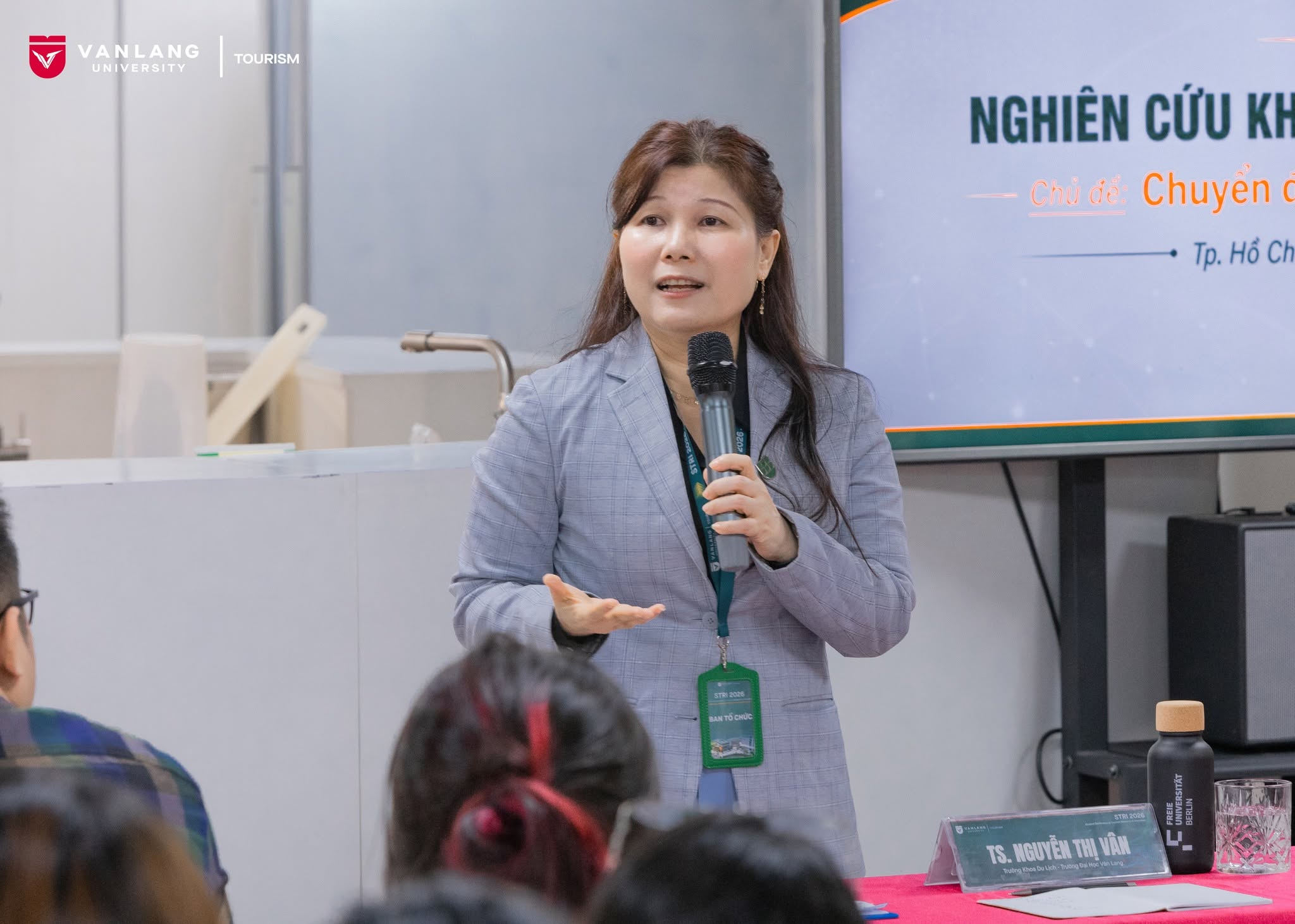
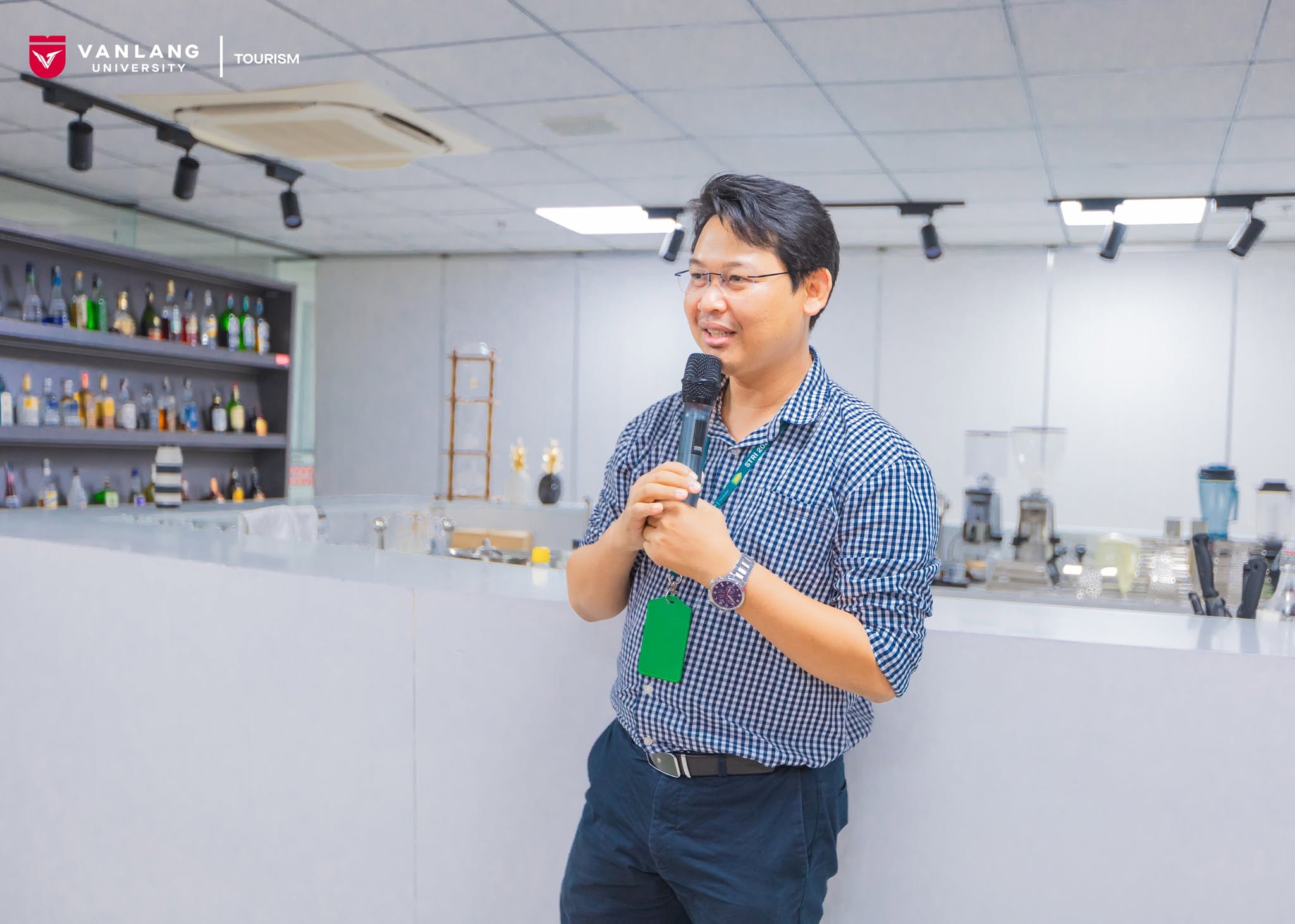
Beyond providing a platform for presenting new research, STRI 2026 created a valuable networking space for young people who share a passion for academic inquiry, a spirit of innovation, and a desire to contribute to the development of Vietnam’s tourism industry. More than 40 research papers submitted to STRI 2026. Organised by the Faculty of Tourism at Van Lang University, STRI 2026 received more than 40 research papers from students at Van Lang University and 12 other universities and academies across Vietnam.
Following a rigorous review and selection process, 31 papers were accepted for publication in the conference proceedings. During the conference, 17 posters were exhibited, while 12 studies were presented in three specialised oral presentation sessions. These figures demonstrate not only the growing interest of students in academic research but also their strong need to connect, exchange knowledge, and develop innovative ideas in tourism.
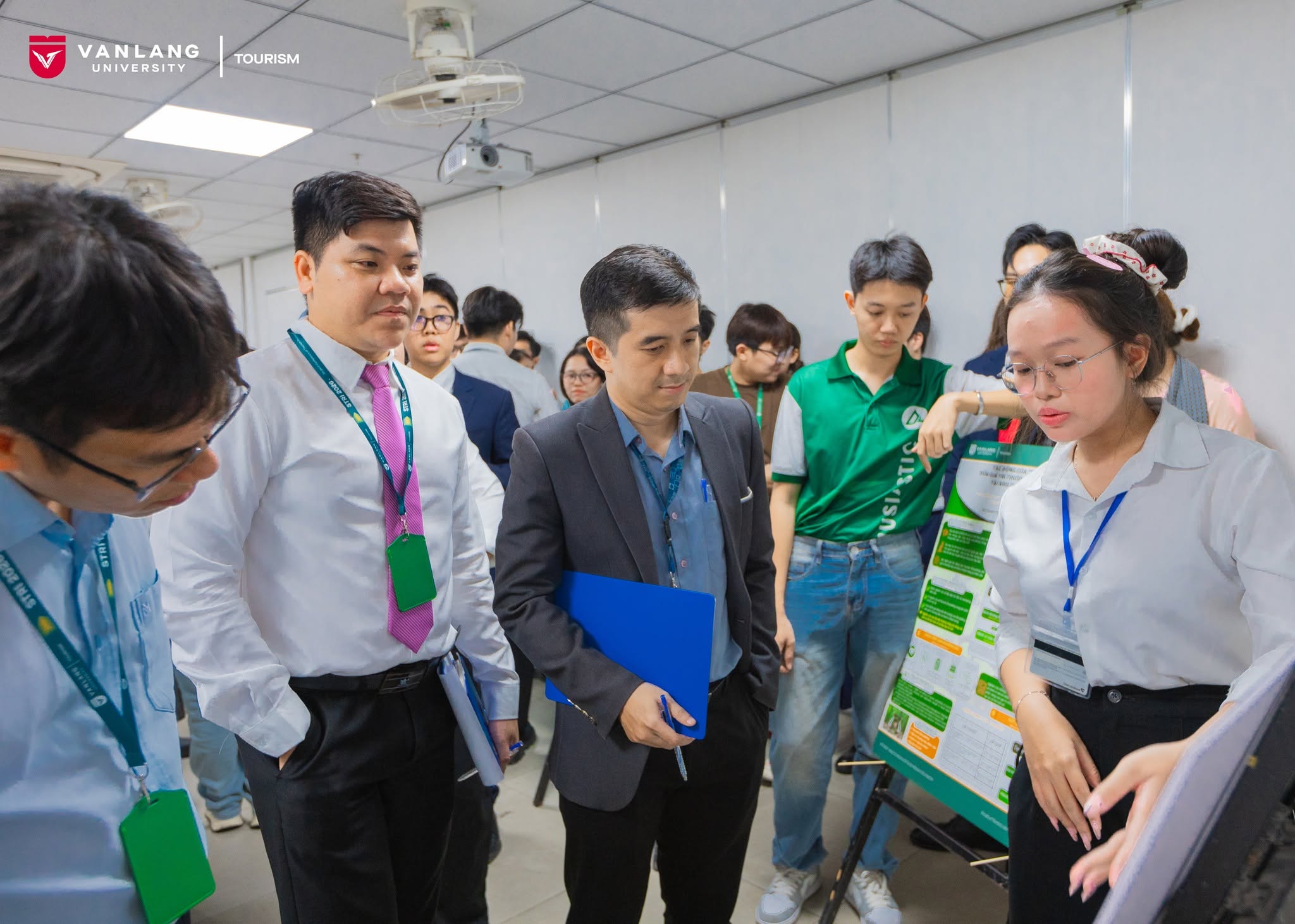
Through STRI 2026, students had the opportunity to present their research findings, receive constructive feedback from lecturers and experts, and learn from research teams representing diverse educational environments.
Connecting academic research with professional practice. This message clearly reflects the educational philosophy of the Faculty of Tourism at Van Lang University: integrating academic knowledge with professional practice. This approach helps students not only develop a solid foundation of specialised knowledge but also cultivate research thinking, problem-solving skills, and the ability to adapt to changes in the market.
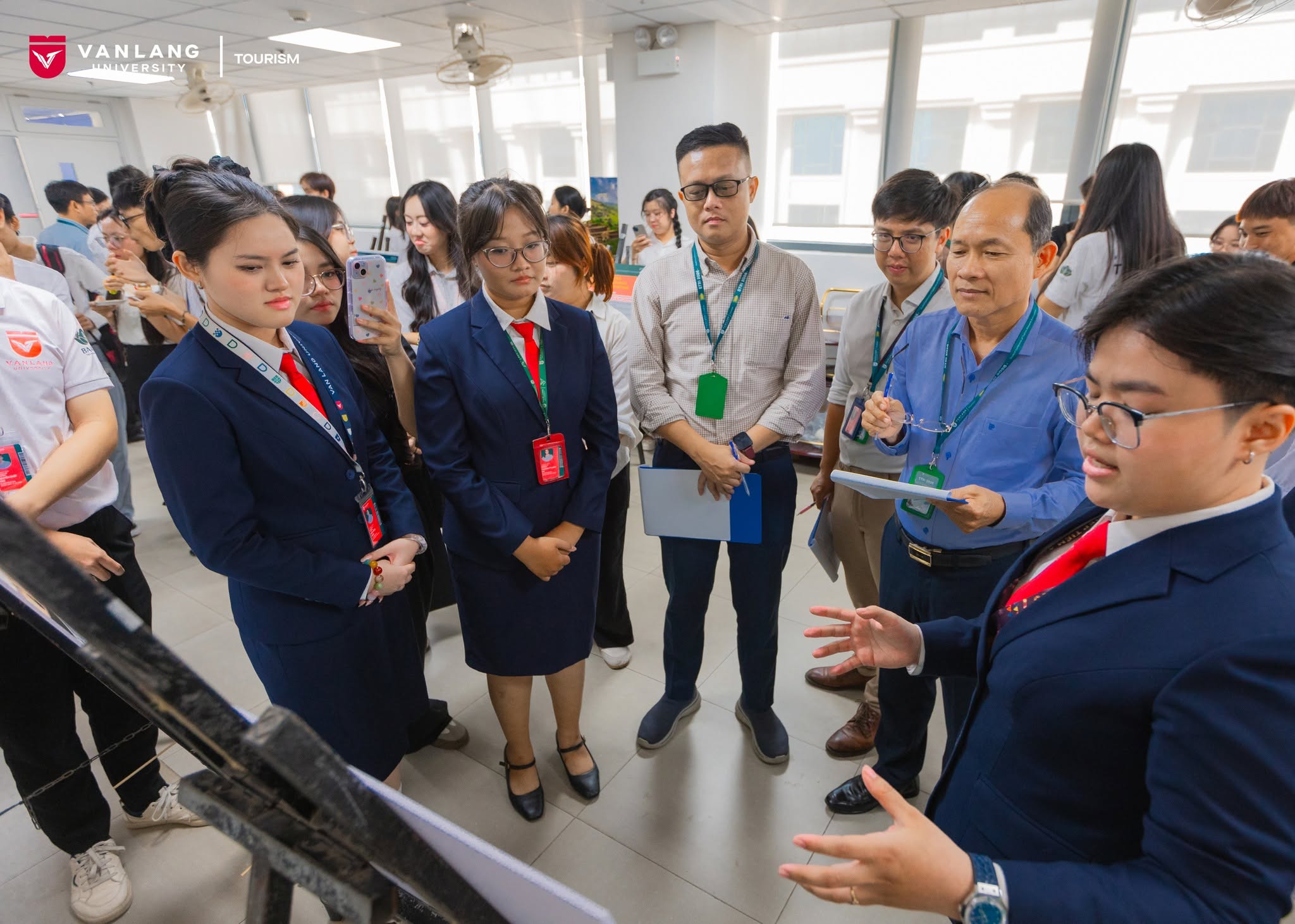
STRI 2026 was held at the Faculty of Tourism’s practice facilities and training hotel in Building G. Designed and operated to simulate a professional hotel environment, these facilities allow students to connect theoretical knowledge with hands-on professional practice.
With more than 30 years of establishment and development, the Faculty of Tourism at Van Lang University has remained committed to training high-quality human resources while strengthening research activities, academic cooperation, and industry engagement.
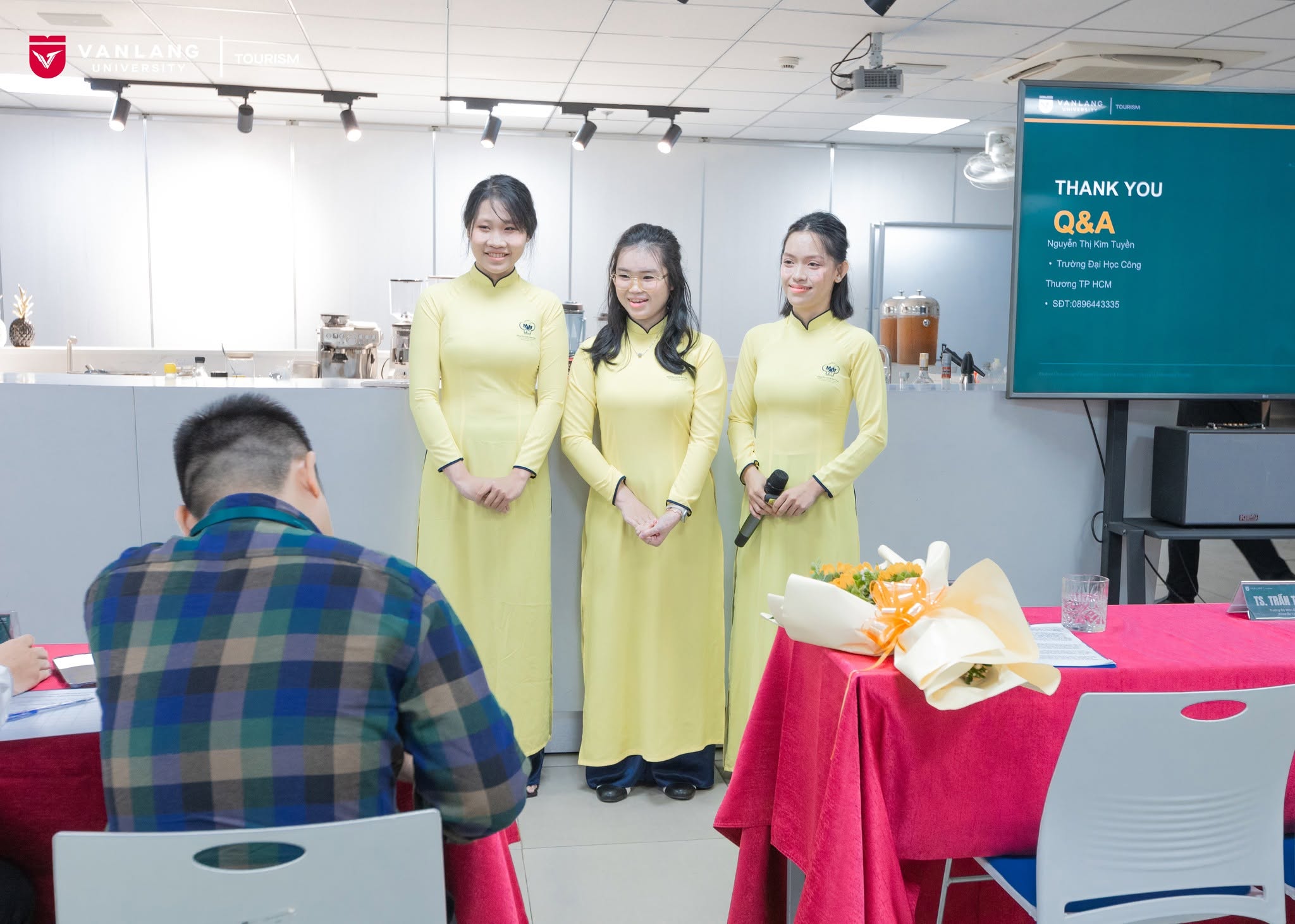
Three thematic areas reflecting current developments in tourism. Research at STRI 2026 was presented in two formats—Oral Presentation and Poster Presentation—and focused on three main thematic areas:
- Smart tourism and digital transformation;
- Cultural heritage and sustainable development;
- Hospitality and culinary tourism.
The fresh perspectives, innovative approaches, and critical thinking demonstrated by the research teams contributed to a diverse academic landscape. Their studies reflected students’ ability to observe, analyse, and respond to the rapid transformation of the tourism industry. Many studies went beyond identifying existing challenges by proposing solutions that could offer valuable insights for destinations, businesses, educational institutions, and local communities.
Advancing research on digital transformation and artificial intelligence. As digital transformation continues to accelerate, many studies presented at STRI 2026 explored artificial intelligence and emerging technological applications in tourism.
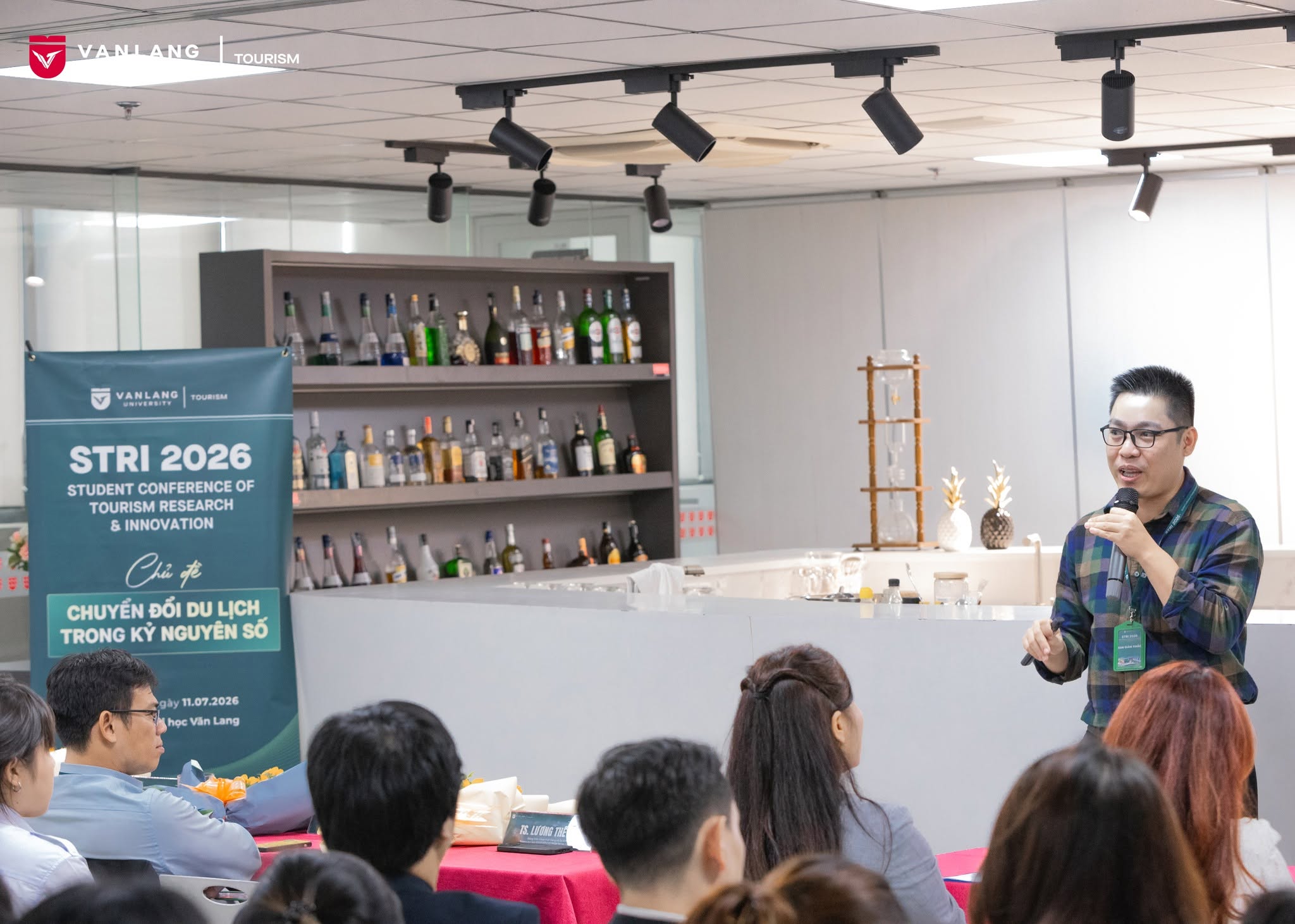
Research teams examined how technology could be applied to enhance visitor experiences, personalise services, optimise management activities, and support data-driven decision-making. The ideas presented showed that students were not merely observing changes in the industry but were also actively analysing them, conducting research, and proposing practical solutions.
This provides an important foundation for students to gradually become pioneering contributors to the digital transformation of the tourism industry.
Alongside technology-related topics, many studies also addressed heritage conservation, sustainable tourism development, tourist behaviour, destination management, accommodation services, and culinary tourism. This diversity broadened the scope of academic discussion and enabled research teams to approach tourism issues from multiple perspectives.
An interdisciplinary research environment. One of the notable features of STRI 2026 was the participation of students from various disciplines, including Tourism, Communications, Information Technology, and Languages.
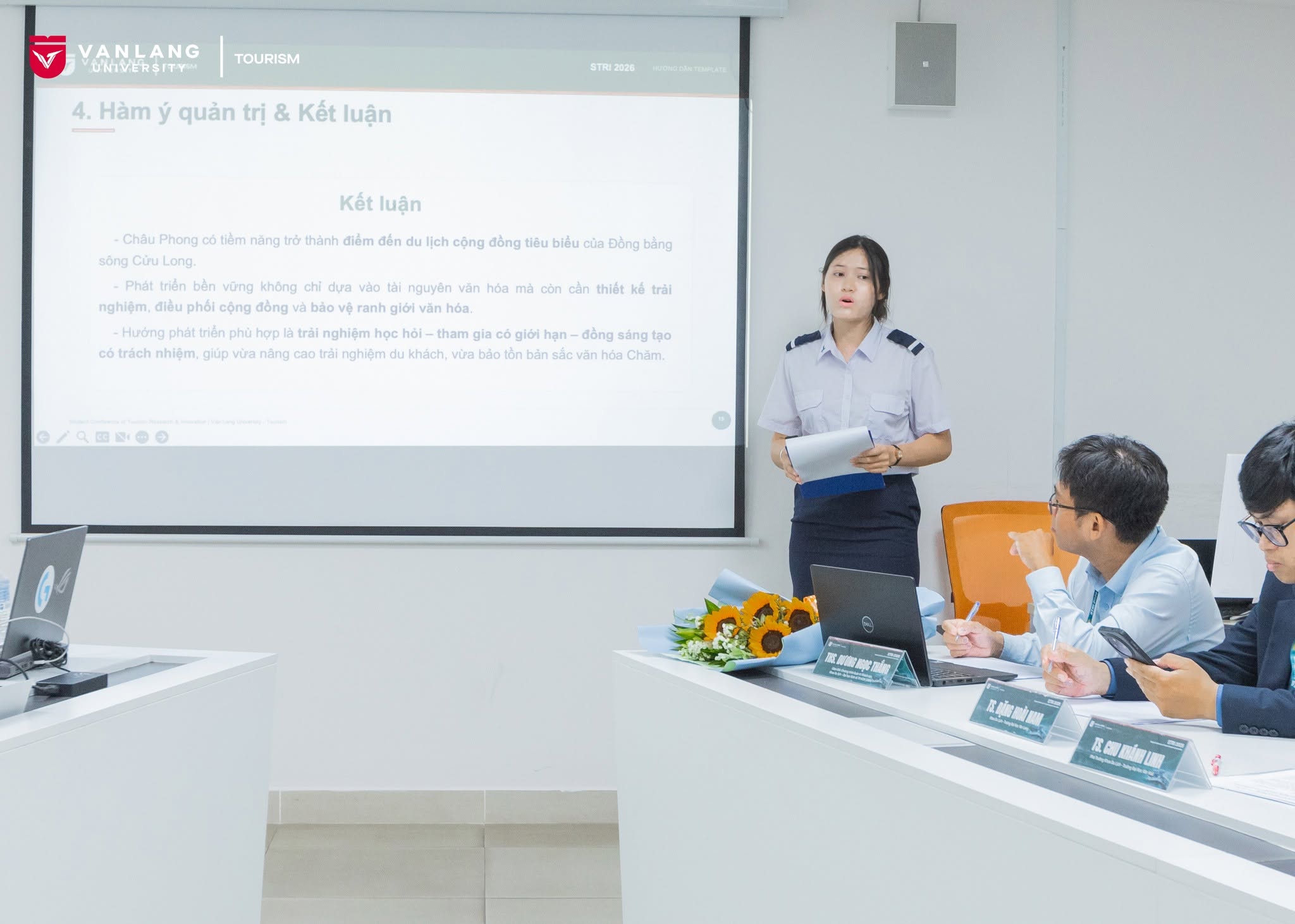
The intersection of these disciplines clearly reflects the interdisciplinary nature of modern tourism, in which technology, communications, culture, language, and management converge to create new products, services, and experiences for travellers.
An interdisciplinary research environment also helps students broaden their perspectives, strengthen their teamwork skills, and approach issues more comprehensively. These competencies are essential for tourism professionals in the context of international integration and digital transformation.
Inspiring a culture of student research. In addition to the presentation sessions, STRI 2026 provided students with opportunities to engage in academic exchanges with lecturers, experts, and peers from various educational institutions.
Thought-provoking questions, open discussions, and insights grounded in professional practice helped foster a stronger culture of research within the student community.
Through the conference, research was presented as an accessible and practical activity that can directly support both learning and career development. Research is not exclusively reserved for professional scholars; it is also a valuable tool that enables students to:
- Examine issues systematically and in greater depth;
- Develop critical thinking;
- Explore innovative solutions;
- Strengthen analytical and presentation skills;
- Create meaningful value for the tourism industry and the wider community.
By participating directly in every stage of the research process—from developing a research topic and collecting data to analysing findings and presenting them before an academic panel—students also strengthened their confidence, initiative, and sense of academic responsibility.
Building a nationwide network of tourism student researchers. The participation of students from universities and academies across Vietnam created an open academic environment in which ideas could be shared, connected, and used to inspire one another.
This is also a core value that STRI seeks to promote: establishing a professional academic forum, encouraging collaboration, and advancing research in tourism.
Through presentations and academic discussions, students gained further opportunities to expand their academic networks, connect with potential research collaborators, and develop ideas for future studies.
Connections among students, lecturers, experts, and educational institutions also contribute to improving the quality of student research while fostering a young, dynamic, and innovation-driven academic community.
STRI 2026 sets the stage for future editions. In its inaugural edition, STRI 2026 received highly positive feedback from participating lecturers, experts, and students. The conference’s success was reflected not only in the number of research papers, posters, and presentation sessions but also in the spirit of learning, creativity, willingness to embrace challenges, and proactive engagement demonstrated by the young researchers.
Students’ dedication, creativity, and commitment provide an important foundation for the sustainable development of the tourism industry. At the same time, the achievements of STRI 2026 have raised expectations for future editions that will be increasingly professional, high-quality, and far-reaching.
Building on this first milestone, STRI is expected to continue serving as a platform where students can disseminate their research findings, exchange knowledge, develop innovative thinking, and contribute practical solutions to the advancement of Vietnam’s tourism industry.
Photos: VL TV, Tan, Gia Bao
News: Zoey
Tags
