
SLOG Challenge 2026: A global platform for knowledge exchange and AI-Powered logistics solutions


On June 24, 2026, Faculty of Industrial Engineering and Management at Van Lang University organized the Final Round of SLOG Challenge 2026, themed “AI-Integrated Logistics 5.0: From Models to Business Reality”. The competition brought together student teams from five countries: Vietnam, Thailand, Taiwan, Cambodia, and Malaysia, creating a dynamic international academic forum focused on logistics and supply chain management.
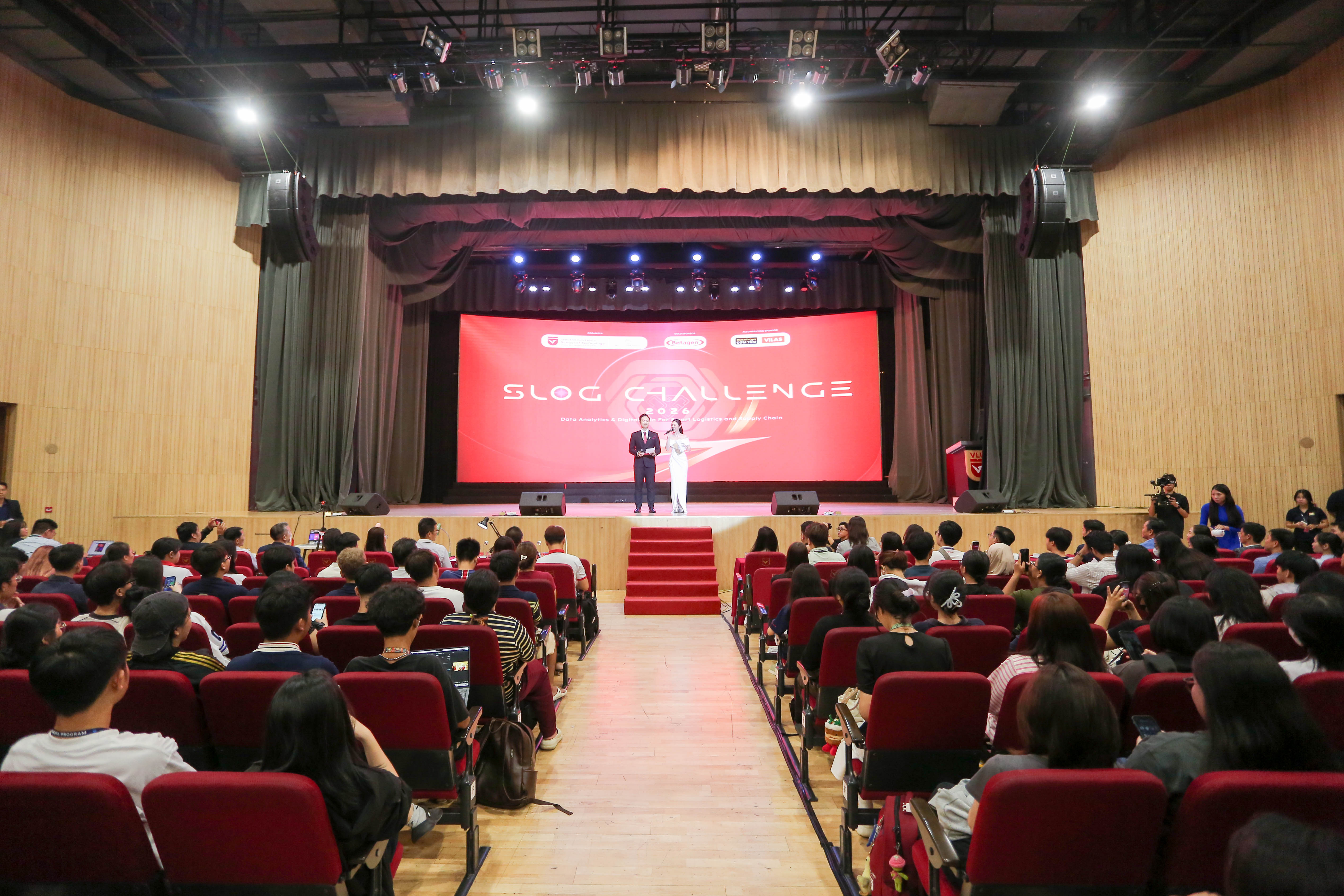
After six months of contest, four finalists emerged from thousands of contestants representing more than 50 colleges and universities across the region. As they faced real-world business challenges, the teams proposed a range of technology and AI-driven solutions to optimize logistics operations, impressing the judging panel with their analytical thinking and problem-solving skills.
Final Round of SLOG Challenge 2026 featured 2 main stages:
- Presentation Round: Teams presented their solutions and responded to two critical questions from the judging panel.
- Debate Round: The top two teams competed head-to-head on the topic “Optimization Models & Human Operational Judgment”.
Opening of the competition, Assoc. Prof. Dr. Tran Thi My Dieu, Member of the University Council and President of Van Lang University, noted that the participation of students from across Southeast Asian enriched the academic environment and expanded opportunities for regional networking and collaboration. She emphasized that the event also demonstrates the growing importance of international cooperation in higher education, particularly as industries undergo major shifts driven by digital transformation and globalization.
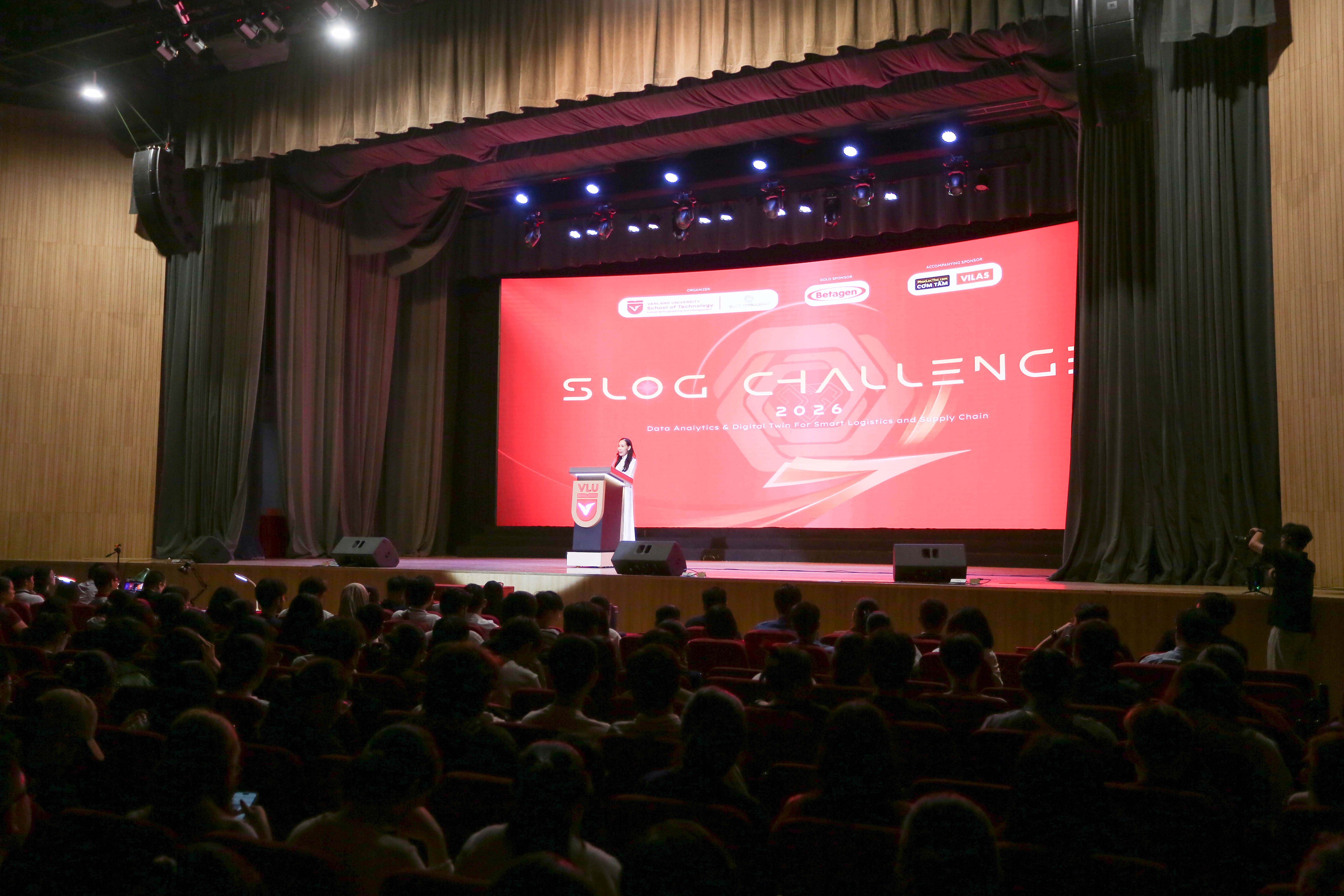
She also highlighted the relevance of this year’s competition theme, which focused on data analytics and digital technologies in Logistics and Supply Chain Management. By addressing real-world challenges and working with industry experts, students had the opportunity, honing their professional knowledge, creative thinking, communication, teamwork skills, and confidence in an international professional environment.
Today, the role of a Logistics Engineer extends far beyond the transportation of goods - it involves designing strategic solutions that improve the operational efficiency of the entire supply chain. Each real-world challenge required students to identify systemic bottlenecks, optimize costs, and propose practical, actionable solutions.
In the Presentation Round, team NOVA COLLECTIVE focused on optimizing transportation network efficiency without compromising service quality. To optimize order allocation and route design, the team implemented the ALNS-SA algorithm. This approach reduced total routes, improved fleet utilization, and cut operating costs, while maintaining an optimal on-time delivery rate, enabling the business to maximize resources efficiency.
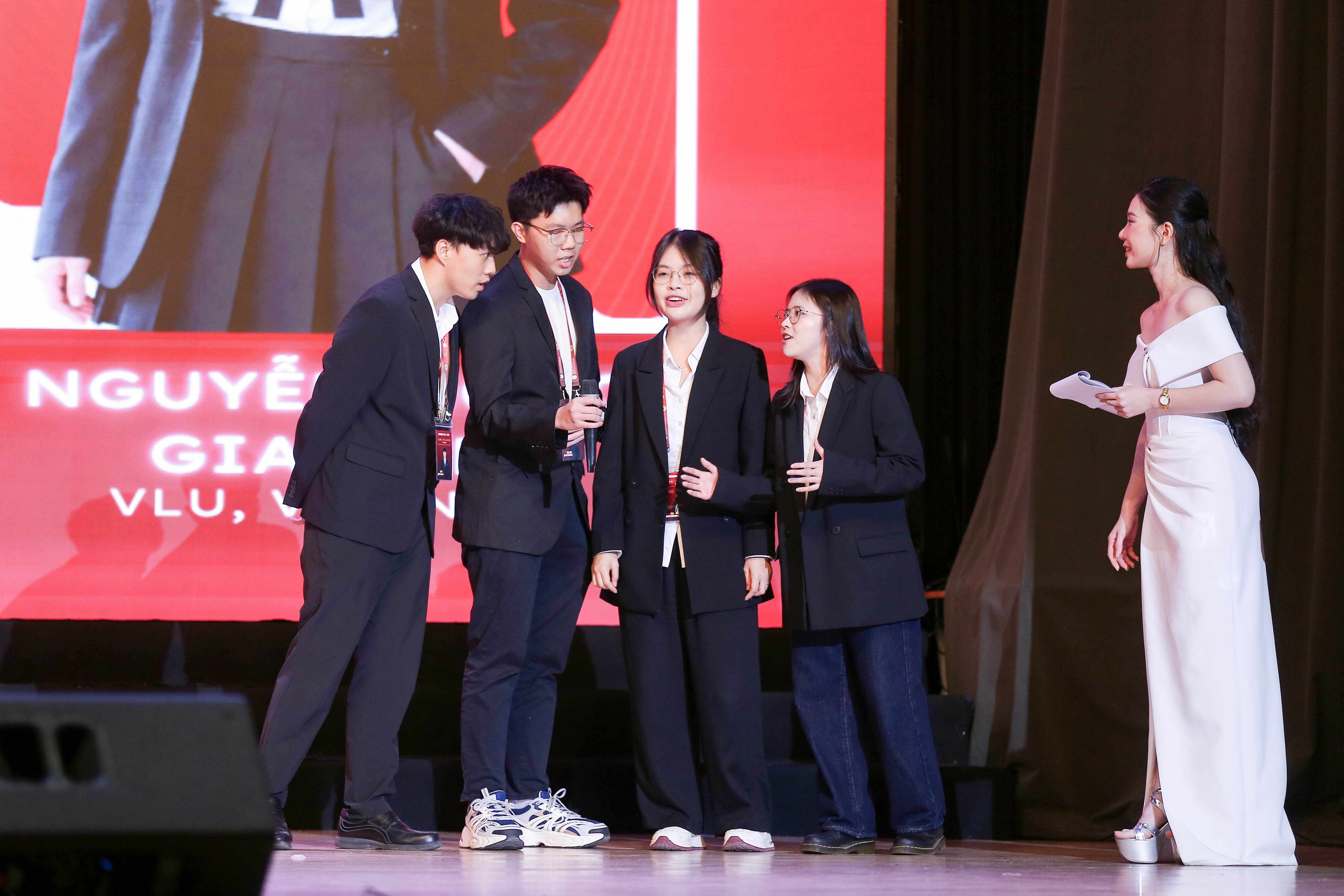
With sustainability at the core of its approach, OBSIDIAN navigated the challenge from a “green logistics” perspective. They proposed a flexible fleet structure based on order volume, combined with AI to optimize vehicles assignments for every delivery run. The solution reduces unnecessary mileage, saves fuel, and cuts carbon emissions, paving the way for an eco-friendly operating system while maintaining delivery efficiency.
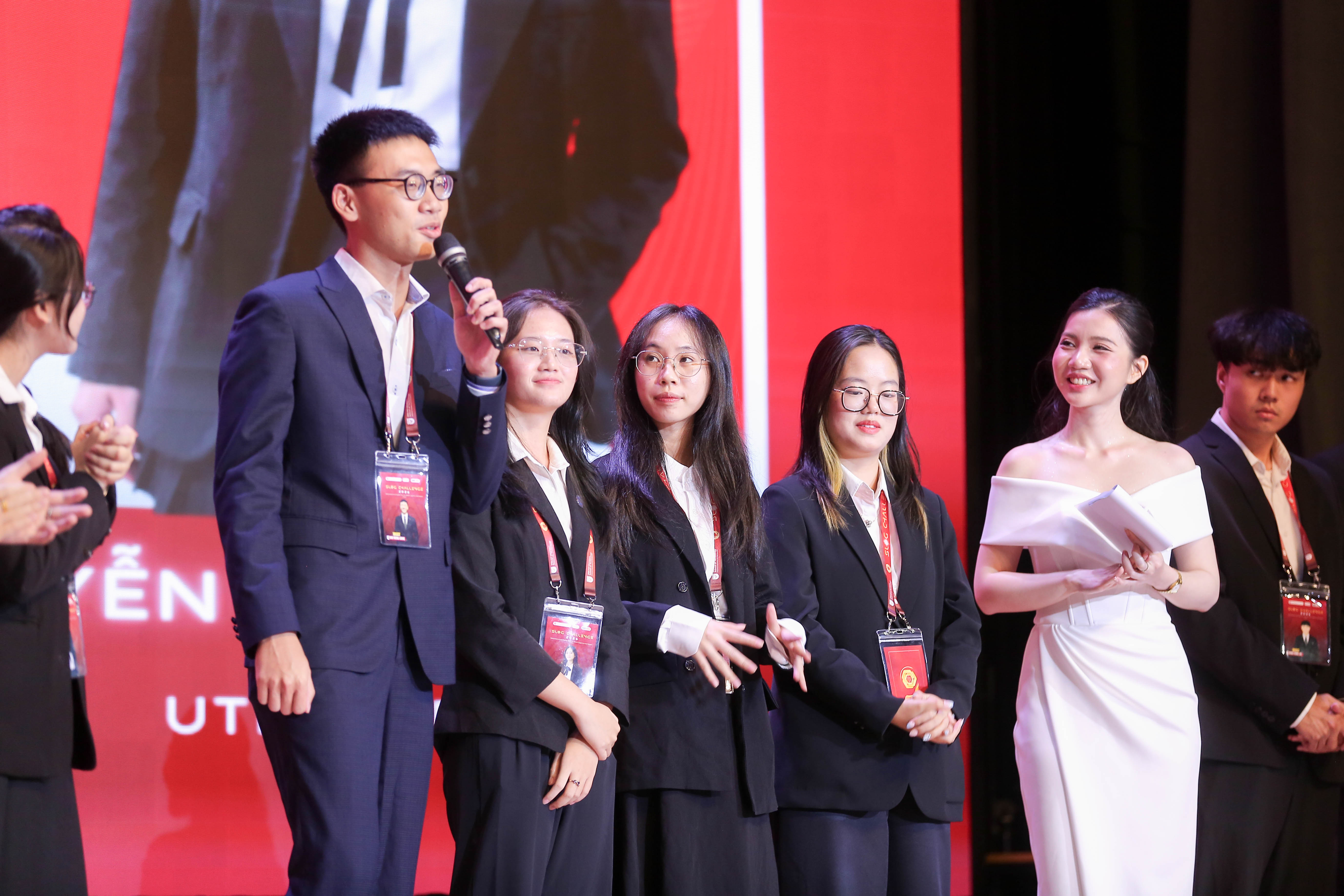
Taking a holistic approach, VICTORY developed an end-to-end system covering the entire operational process. They integrated benchmarking, data analytics models, Excel reporting systems, source code, interactive dashboards and route visualization into a phased logistics solution. Designed for step-by-step implementation, this approach enables businesses to adopt tools easily, monitor its effectiveness, and continuously improve their operations.
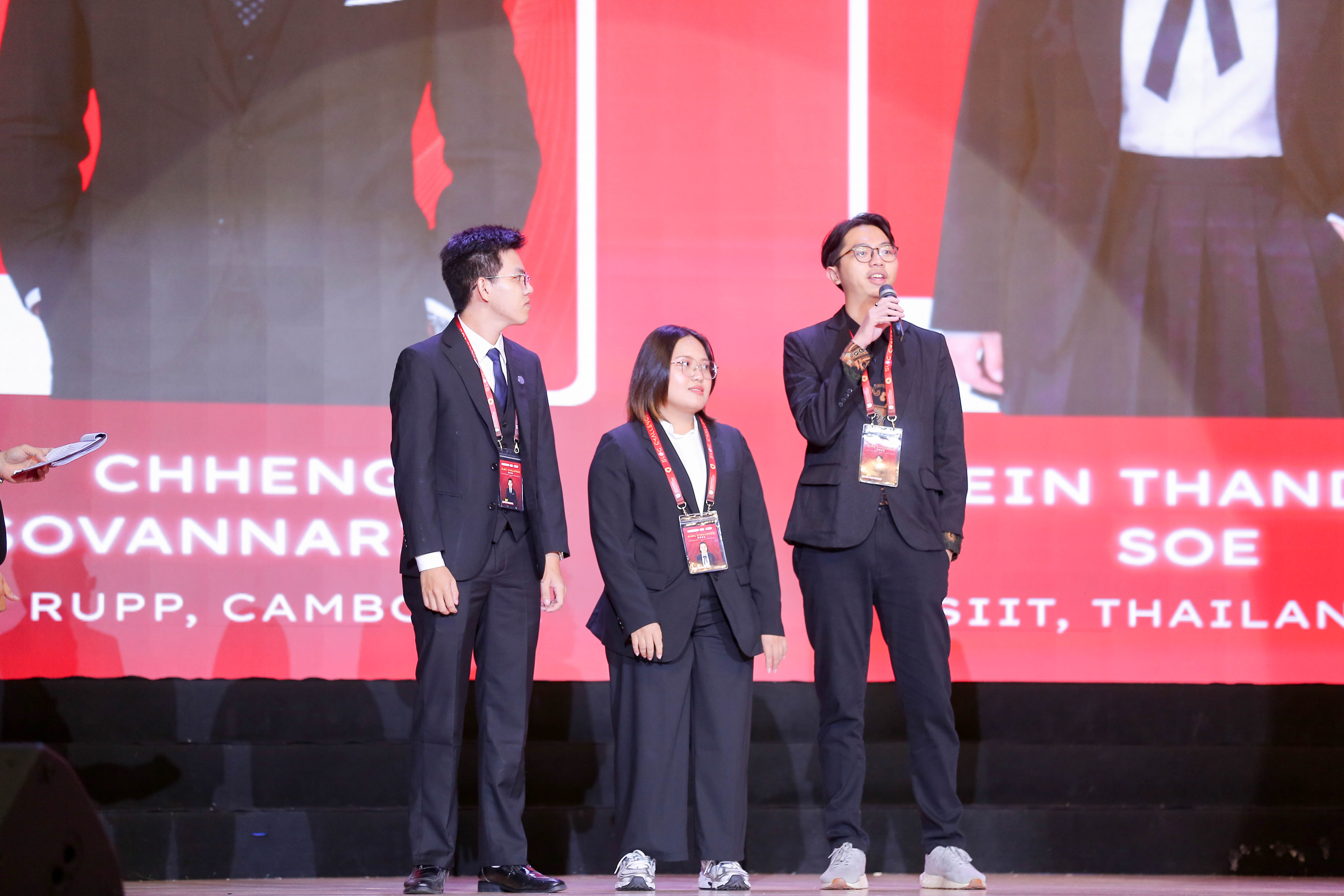
Emphasizing practical applicability, SEANergy aimed to balance transportation costs, operational efficiency, and sustainable targets. Utilizing OR-Tools Guided Local Search algorithm, the team successfully balanced expense, distance, carbon footprint, and SLA compliance while preventing delivery delays. As a result, the solution improves operational productivity and offers strong potential for immediate real-world deployment.
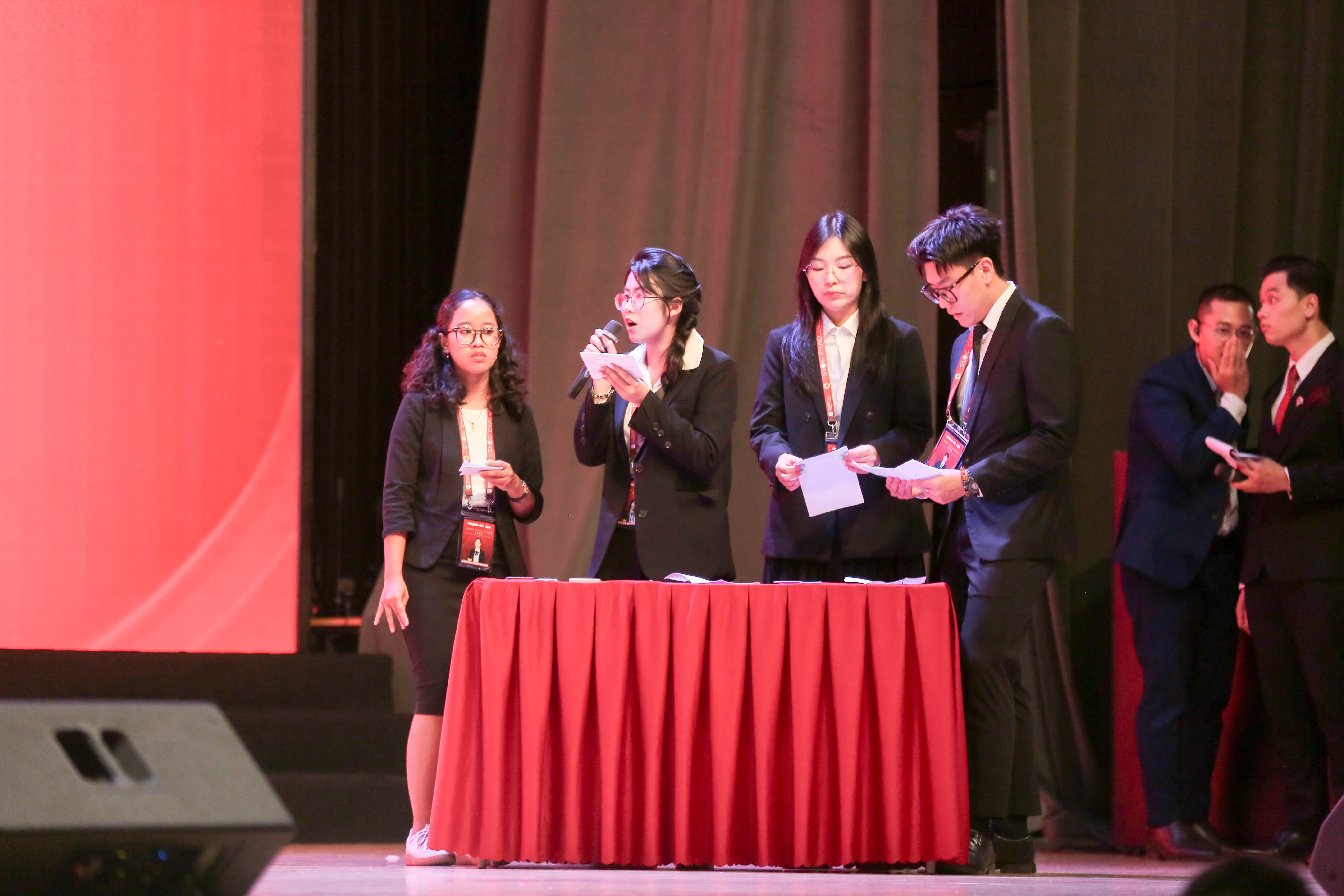
SEANergy – Using the OR-Tools Guided Local Search algorithm to balance costs, emissions, and delivery performance in real-world operations.
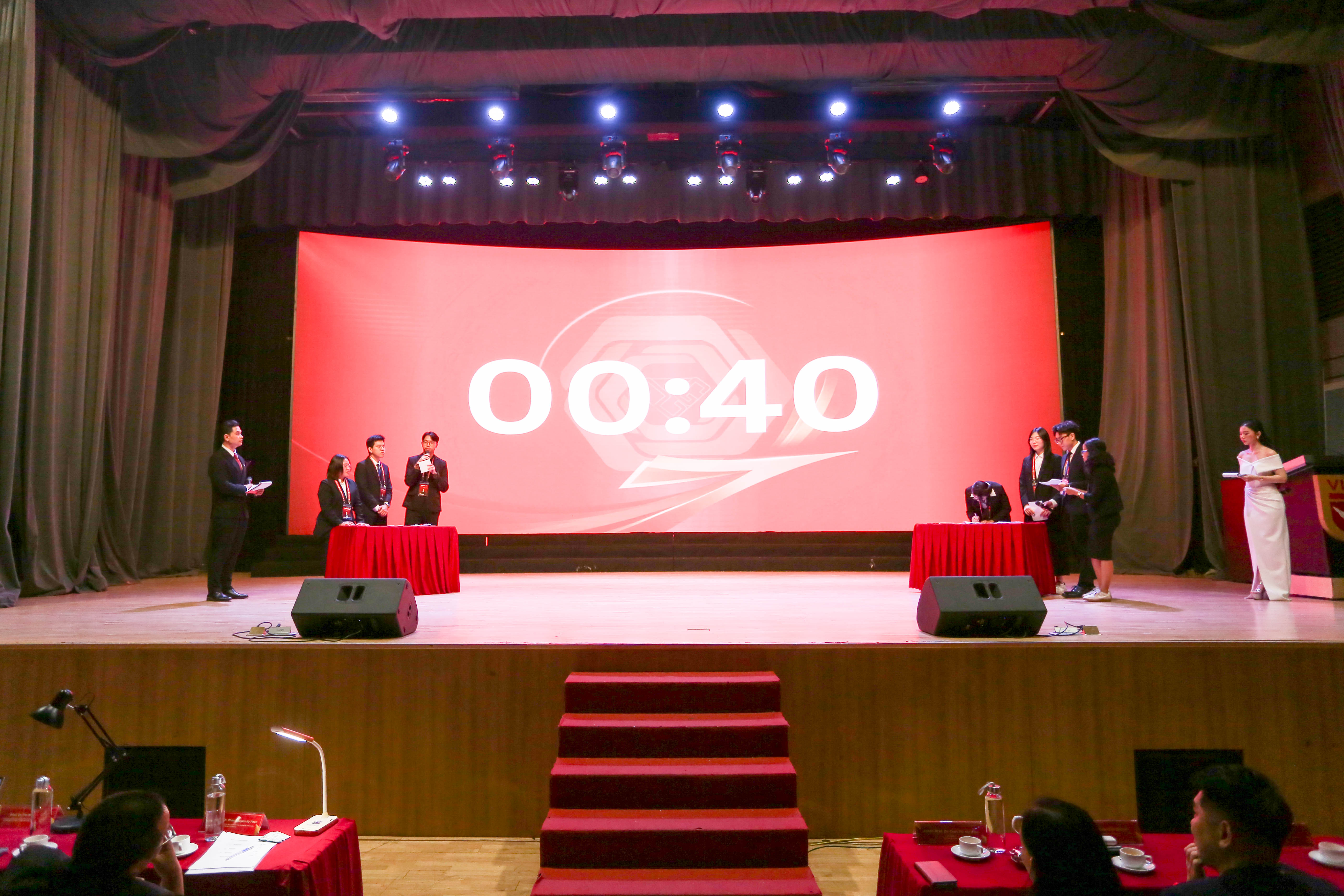
Advancing to the Debate Round, SEANergy and VICTORY showcased sharp critical thinking on the topic “Optimization Models & Human Operational Judgment”. Their arguments offered nuanced perspectives on combining optimization models with human judgment in real-world business operations.
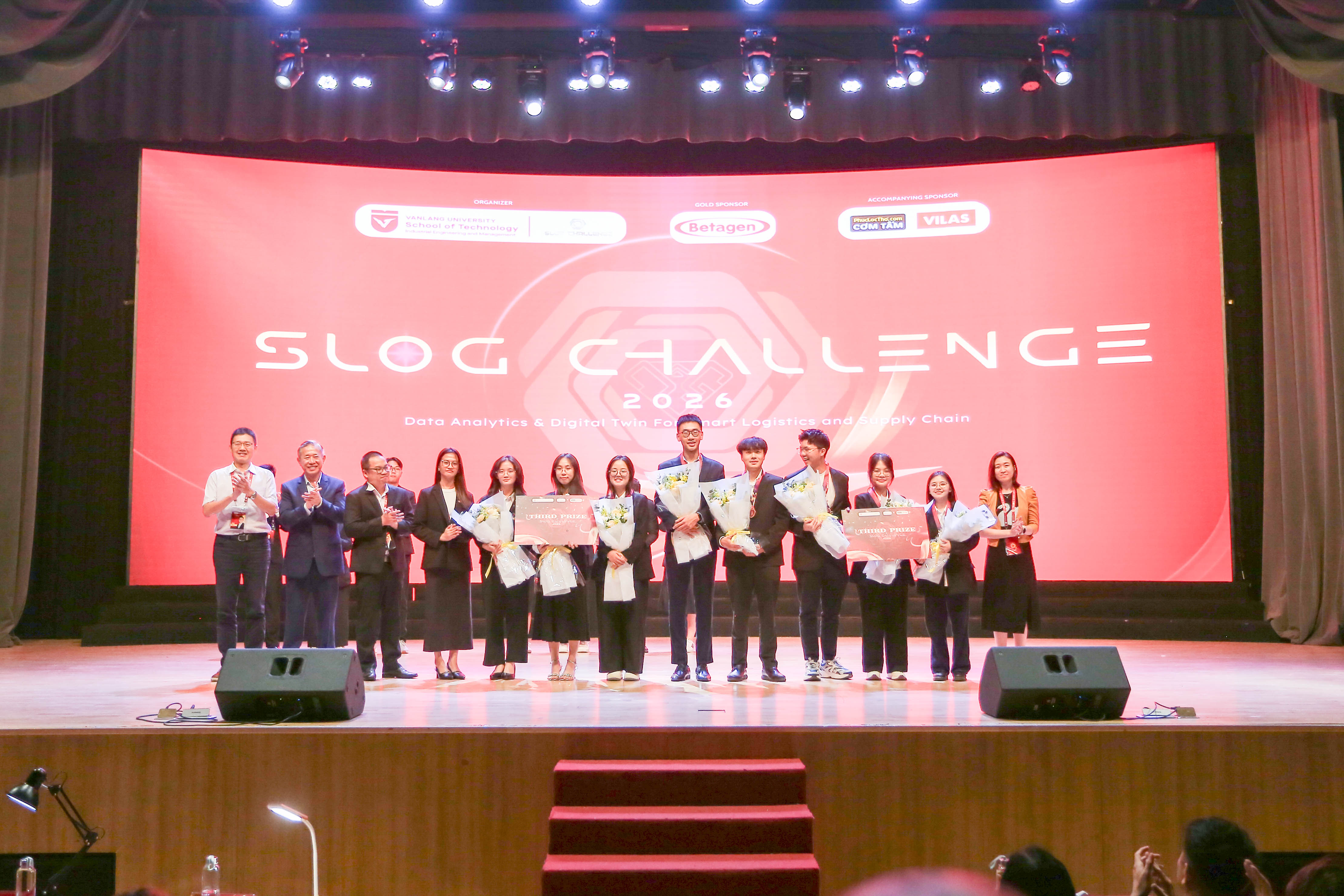
After several competitive rounds, Van Lang University would like to congratulate the teams that achieved outstanding results: 🥇First Prize: SEANergy, with members:
🥈Second Prize: VICTORY, with members:
🥉Third Prize (tie): OBSIDIAN, with members:
and NOVA COLLECTIVE, with members:
|
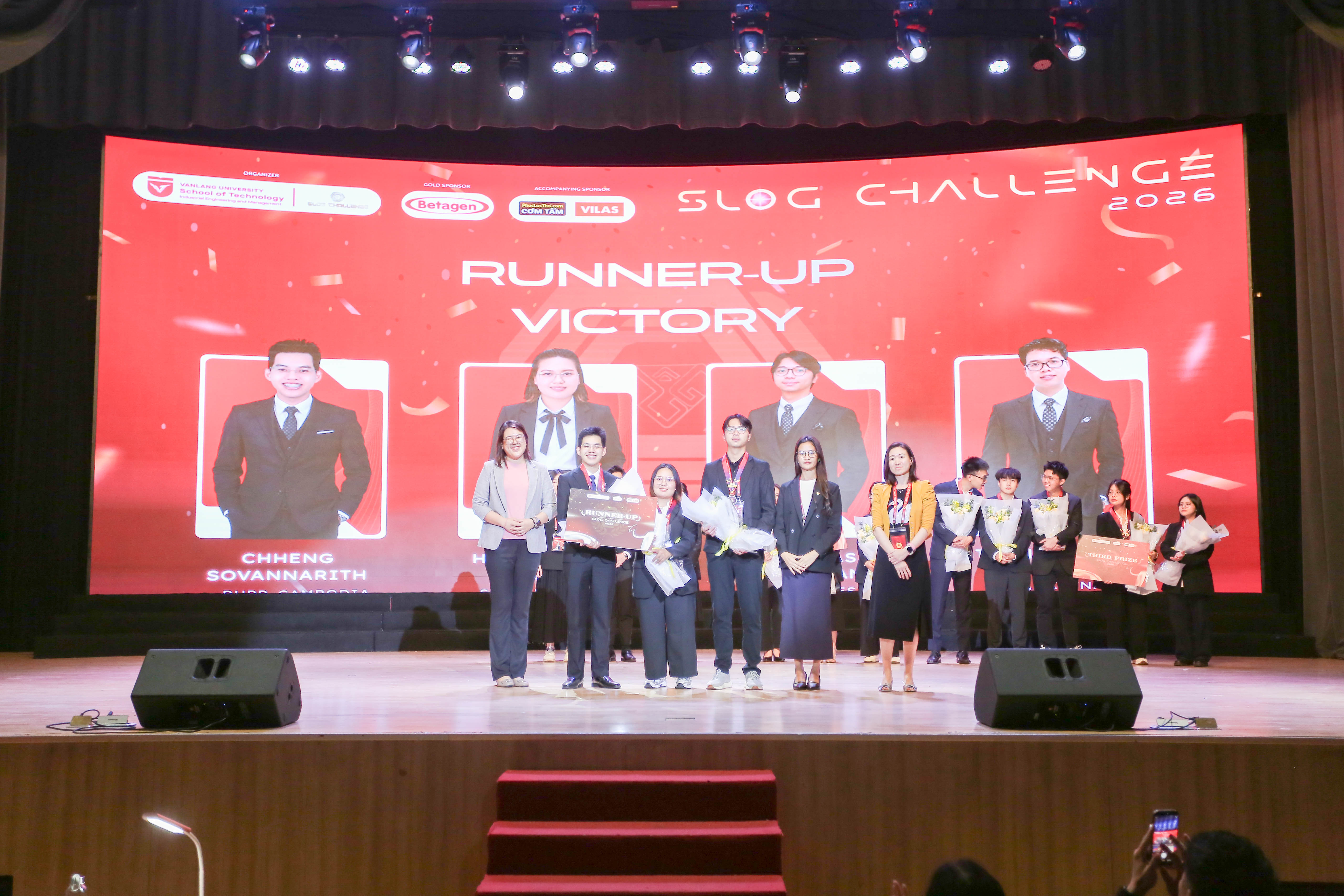
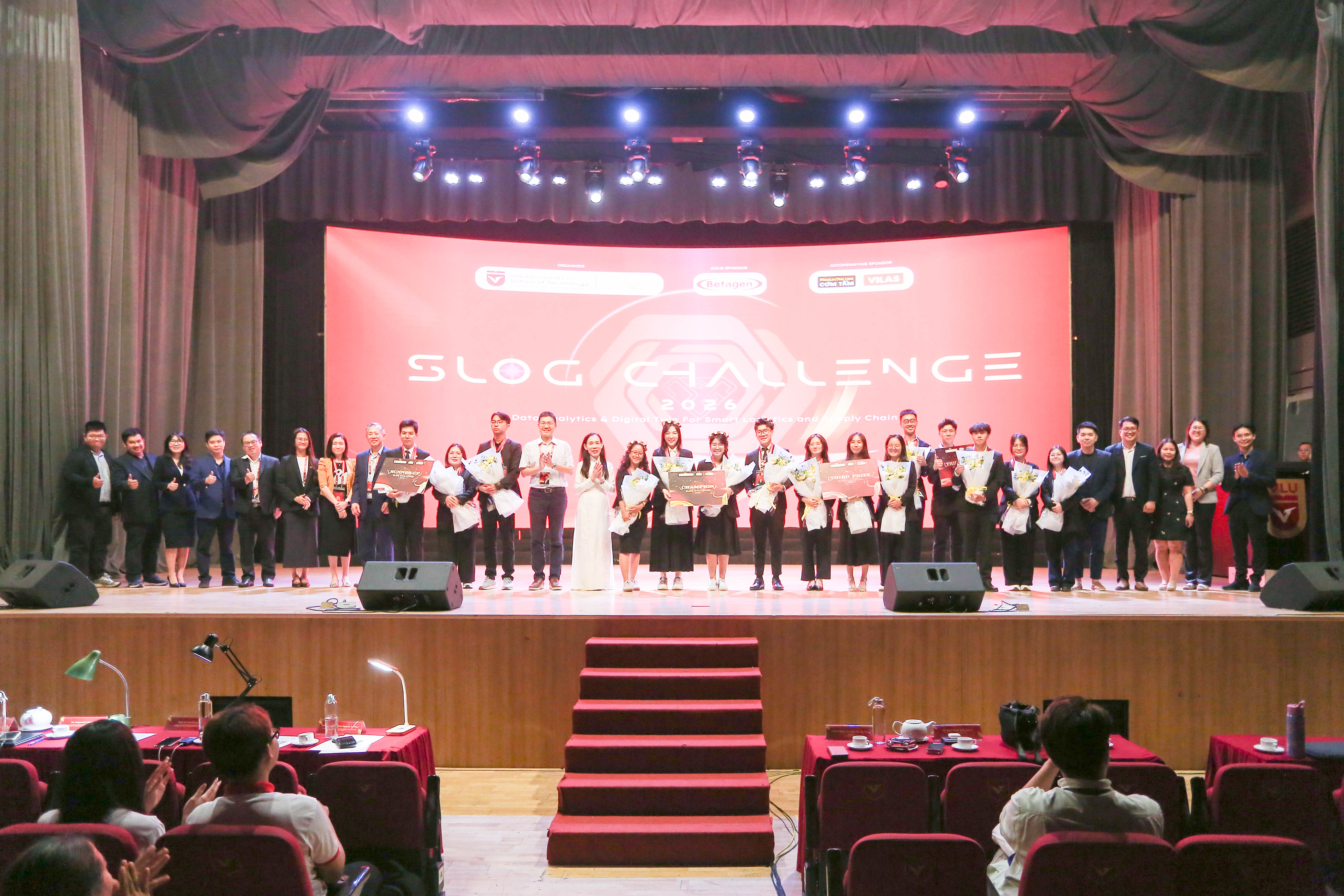
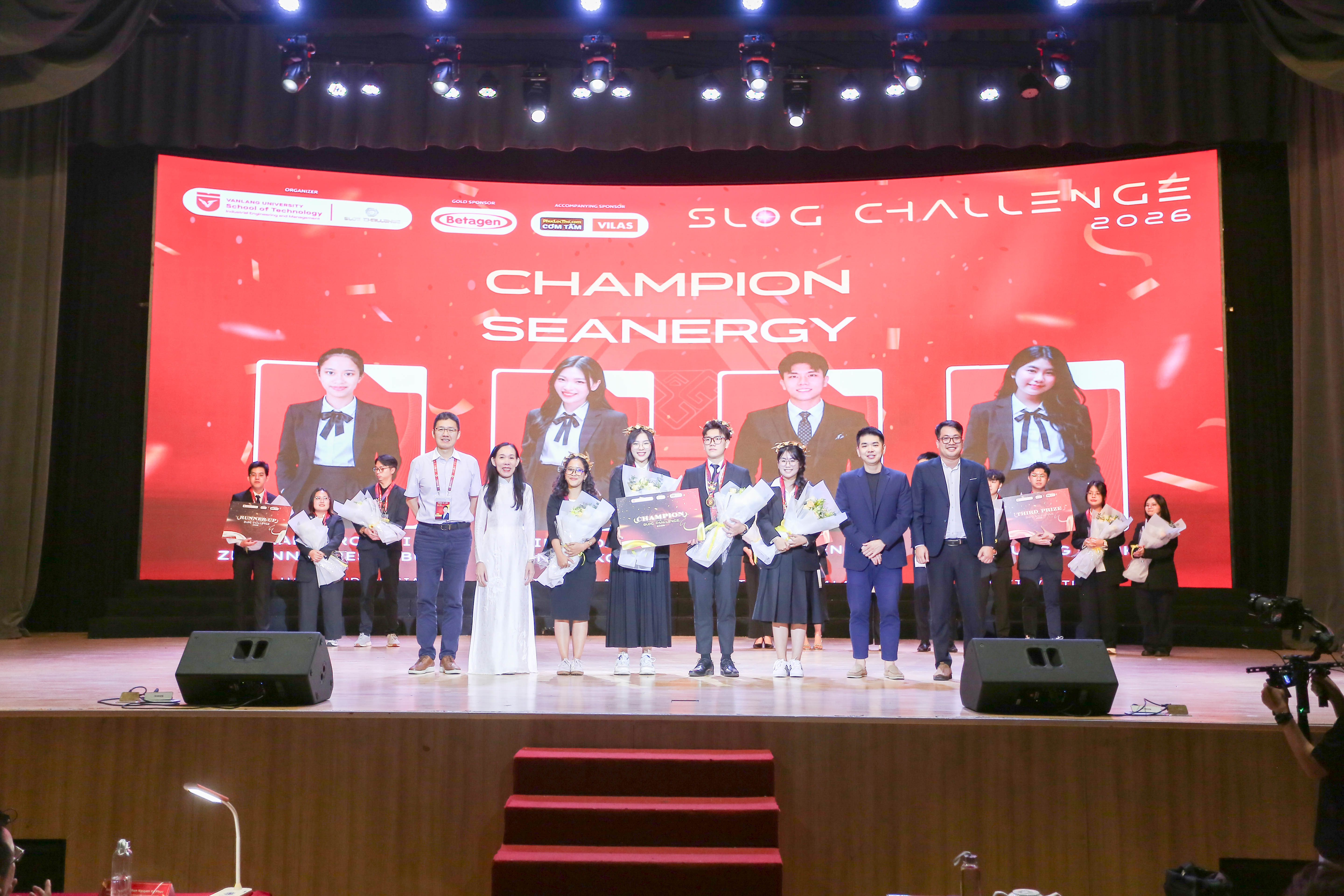
Through professional exchanges and real-world problem-solving, SLOG Challenge 2026 created a collaborative and inspiring environment that empowered students to shape their careers in the digital era. The competition enabled students to strengthen their analytical thinking, refine their problem-solving skills, and leverage technology to build innovative logistics solutions for real-world industry demands.
News: Xuan Nhi
Photos: Le Tuan, Quynh Nhu
See more: Admission exam combinations for Logistics and Supply Chain Management
Tags