
Logistics students of Class 30 showcase innovative application models


On September 25, 2025, the Department of Logistics and Supply Chain Management at Van Lang University hosted the presentation session for the course “Application Models in Logistics”. This is a key module for first-year students, designed to nurture applied thinking, strengthen research skills, and lay the foundation for future academic projects.
Within the curriculum, Logistics and Supply Chain Management students are trained in a highly practical learning environment. They have opportunities to participate in international academic competitions, earn the FIATA Diploma, and engage with enterprises through various collaborative projects. The department is actively building partnerships with major domestic and international organizations such as SEAMEO, FA-AS Education, Sirindhorn International Institute of Technology (Thammasat University, Thailand), and Vilas. These collaborations play a vital role in enhancing training quality and equipping students with insights into modern development trends in the logistics industry.
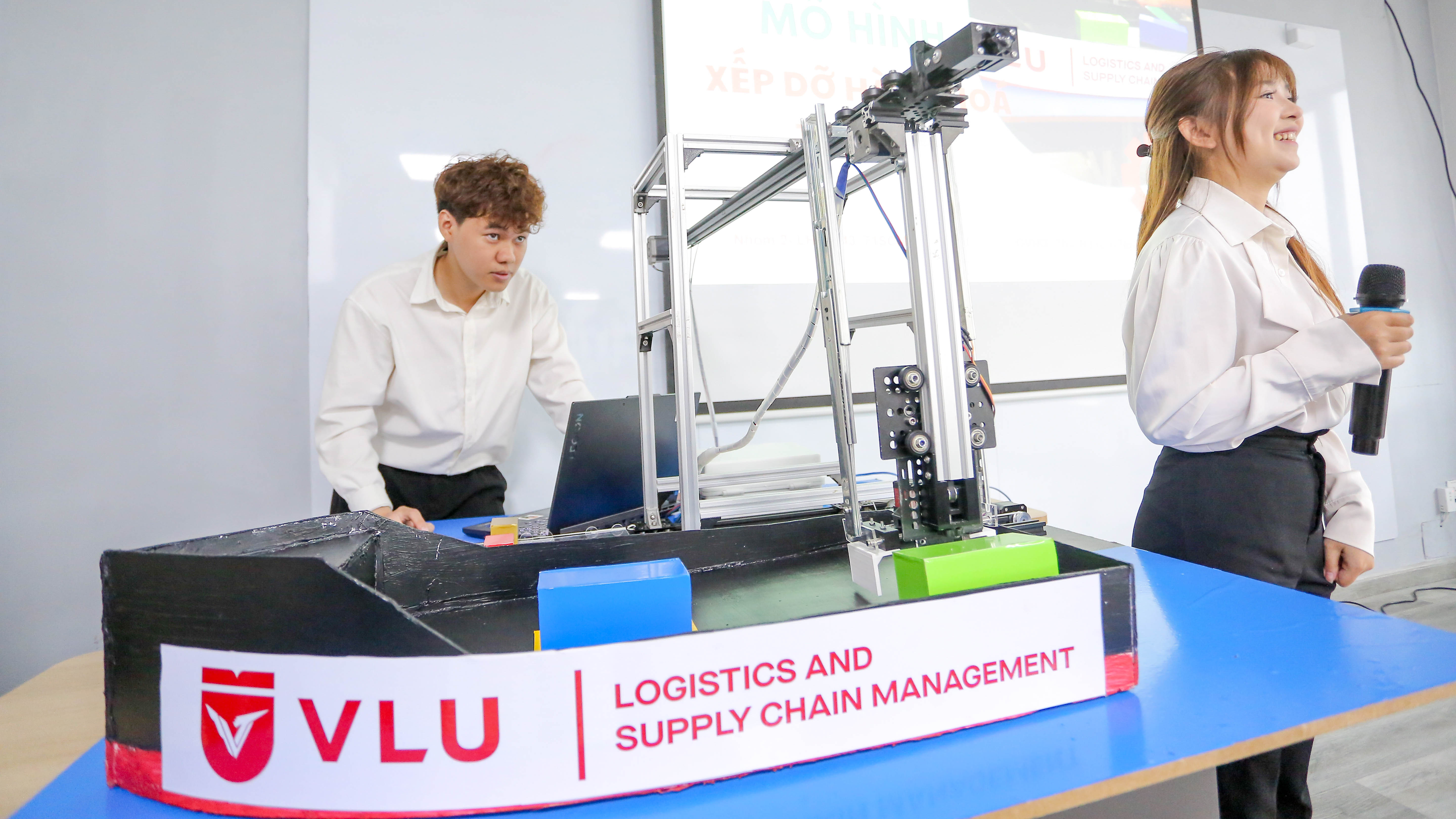
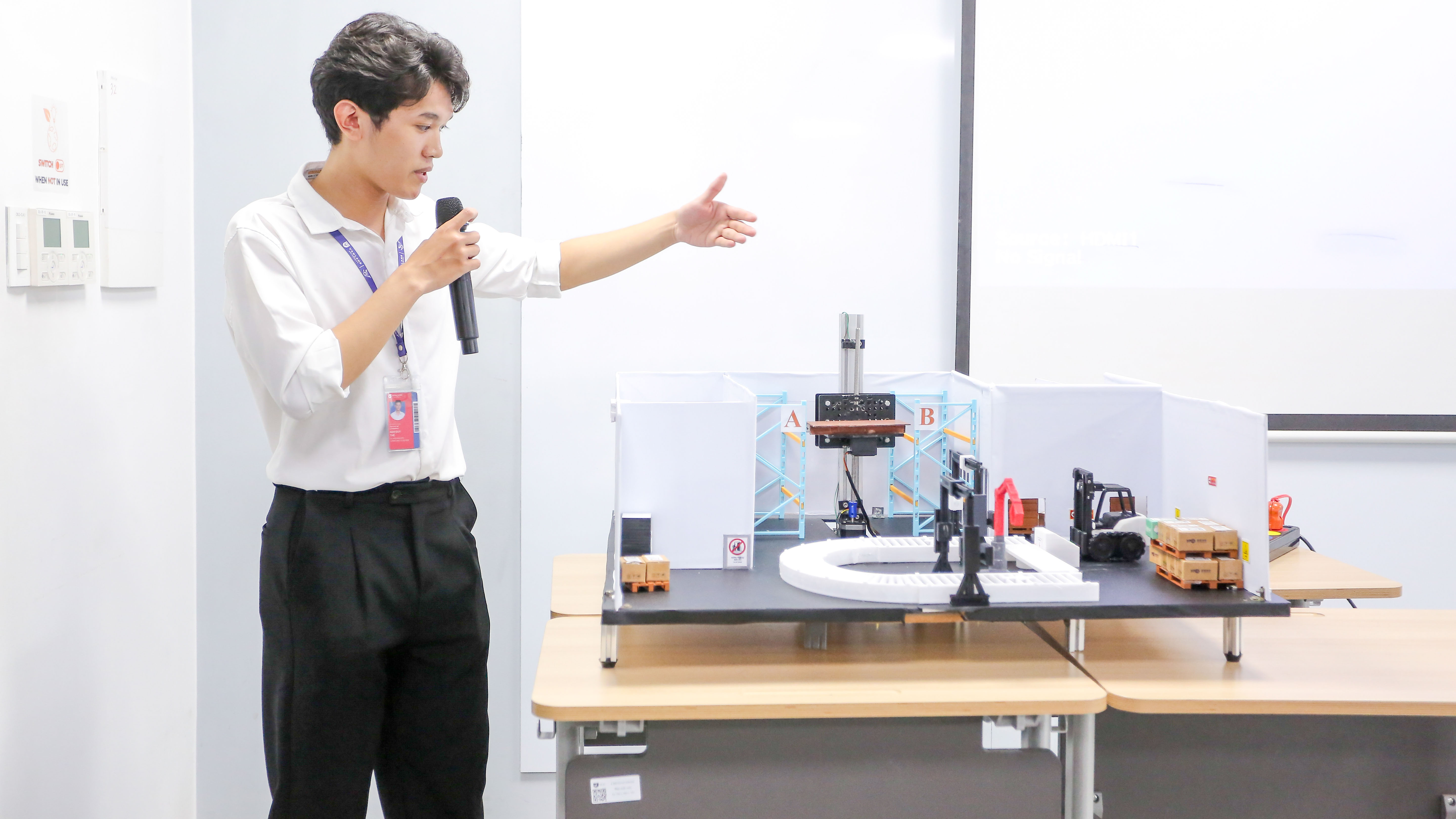
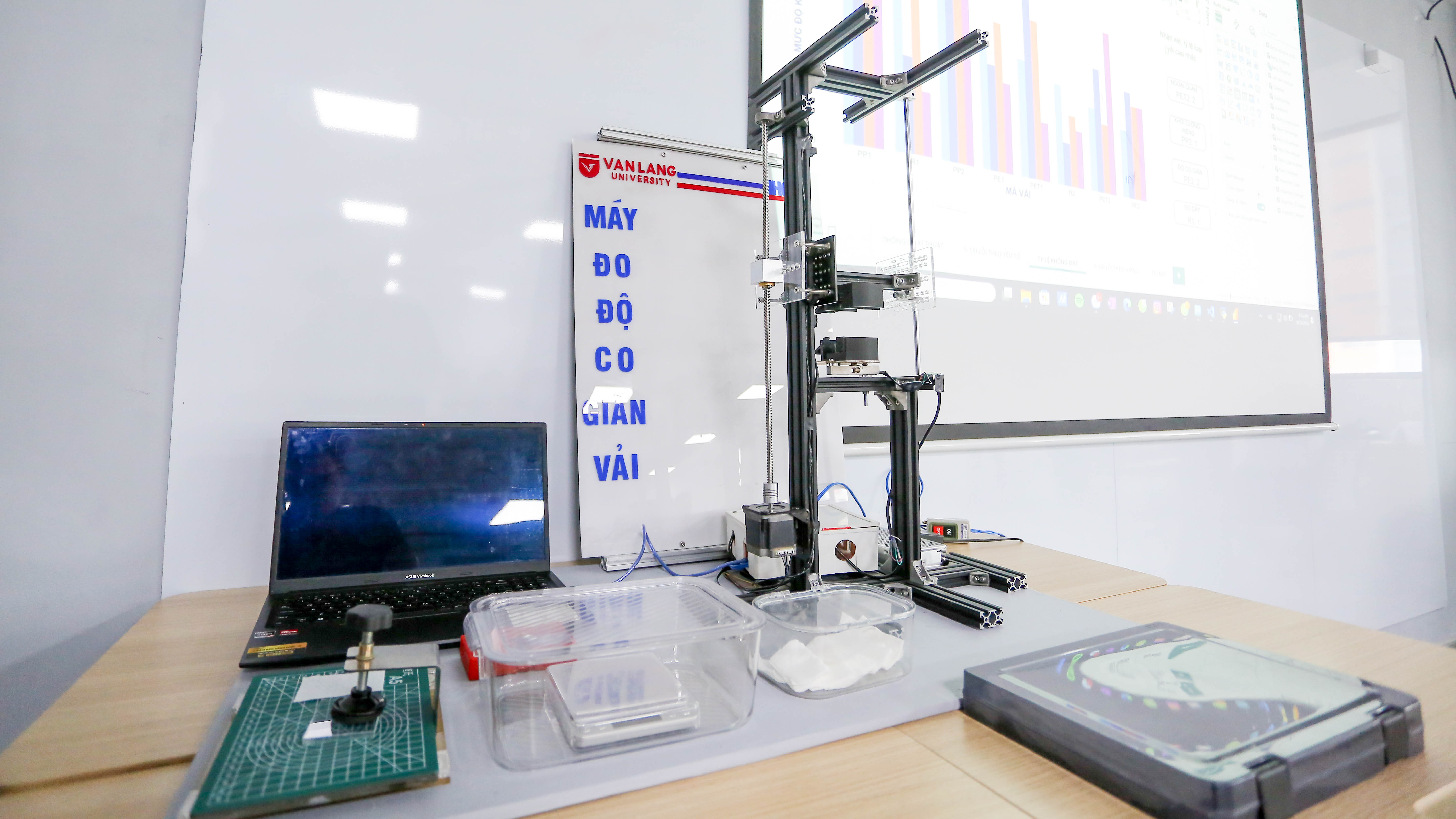
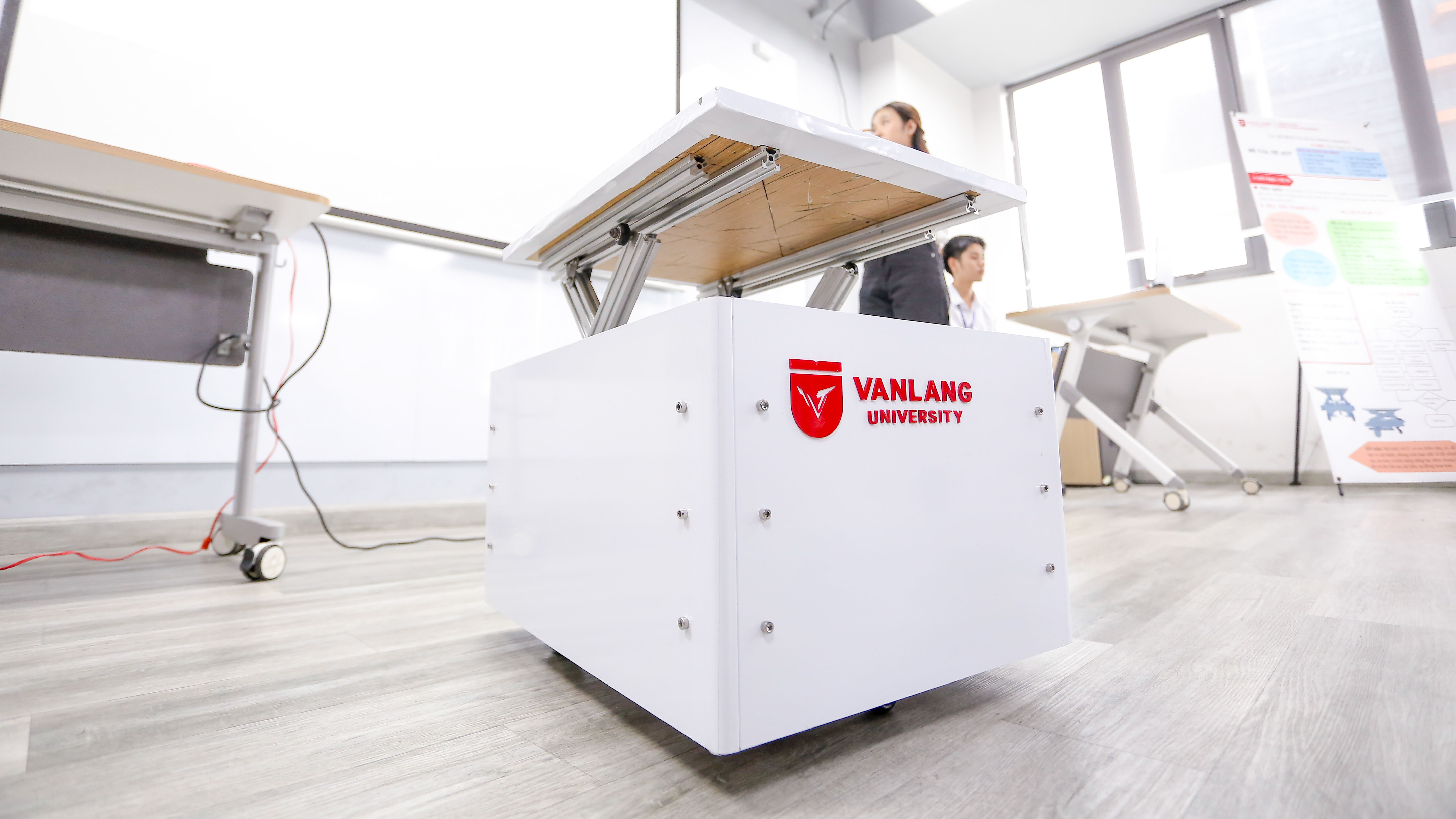
The projects highlight an innovative mindset in Logistics, focusing on improving efficiency across every stage, from production and storage to transportation.
The presentation session featured a range of creative projects, among which two models, “Physical model of production line in Logistics” and “High-speed robotic arm for image-based product sorting”, received high praise from the evaluation committee. The integration of image recognition technology and Arduino to control a Delta robot showcased the students’ creativity and their ability to apply modern technology in practical settings. These models were recognized for their potential to enhance warehouse management, optimize labor use, reduce errors, and improve overall productivity.
Eight student teams of Class 30 developed projects with strong practical applications. Their models focused on addressing real world challenges in production, warehouse management, and goods transportation.
|
Beyond its academic value, the project implementation process allowed students to strengthen their problem-solving mindset, applied research skills, and teamwork abilities. By directly building and operating their models, students gained deeper insights into logistics processes, from design to testing. During the presentation session, the faculty evaluation committee provided constructive feedback to help students analyze the strengths and limitations of their models, guiding future improvements and development in upcoming semesters.
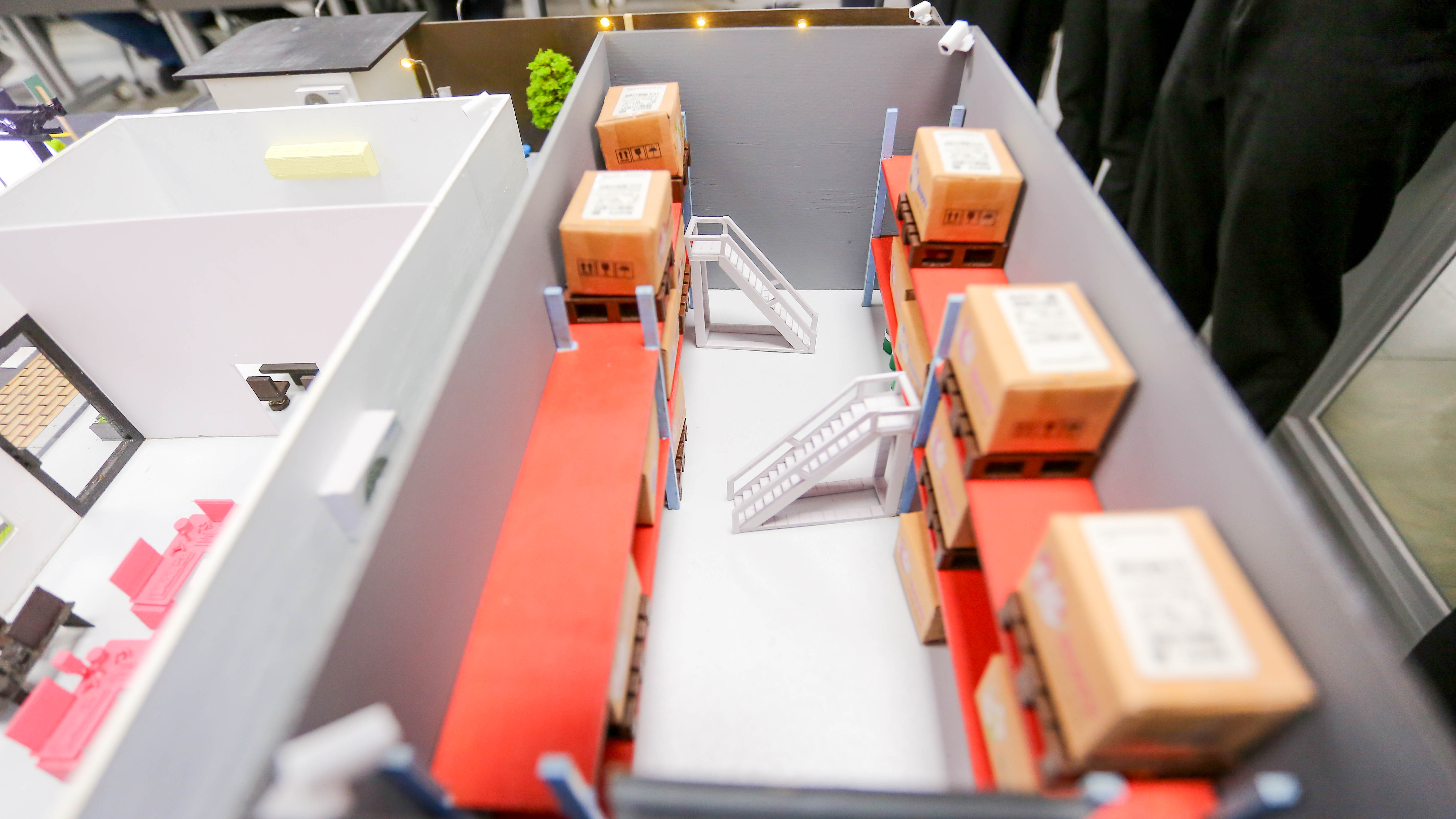
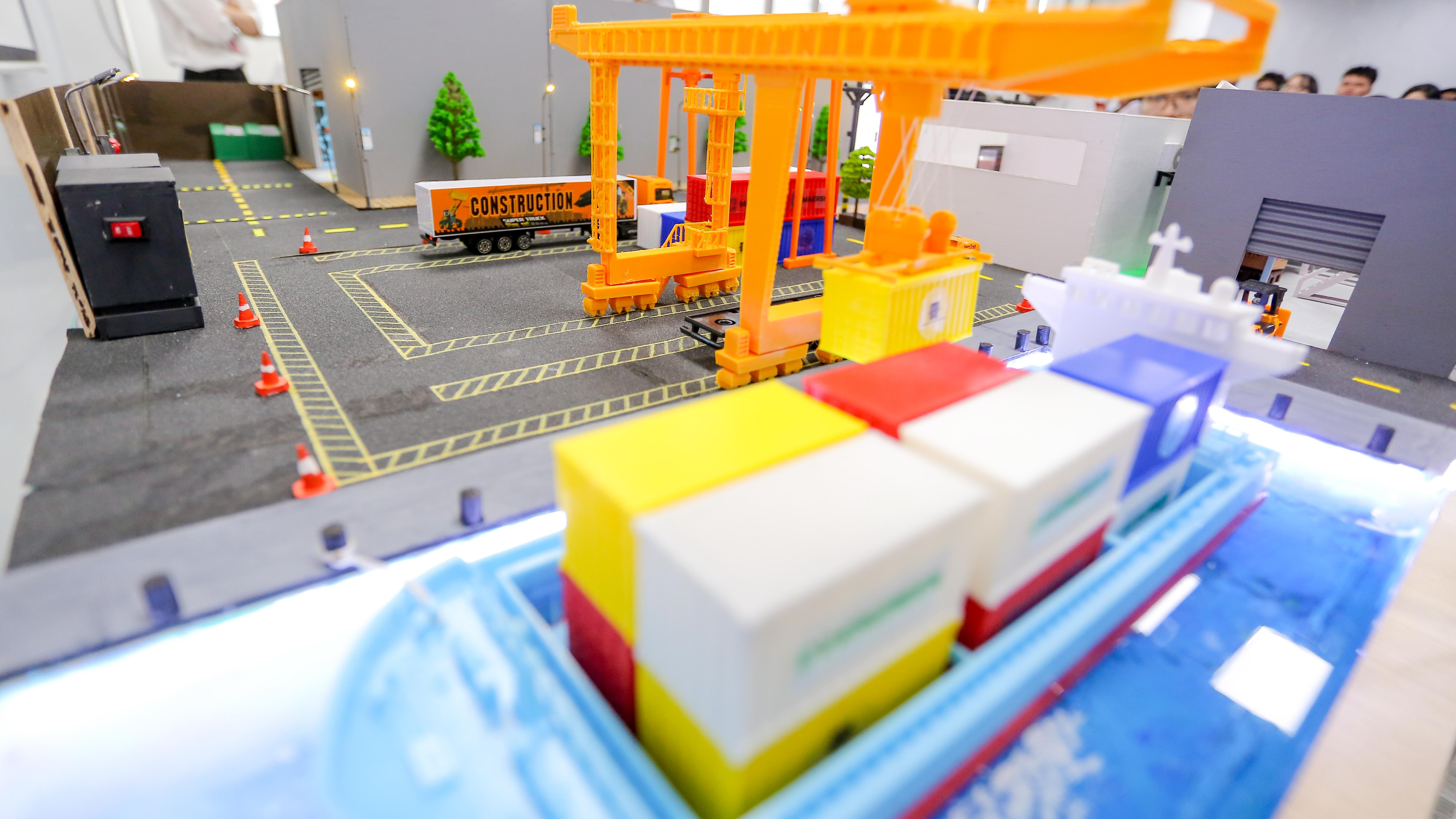
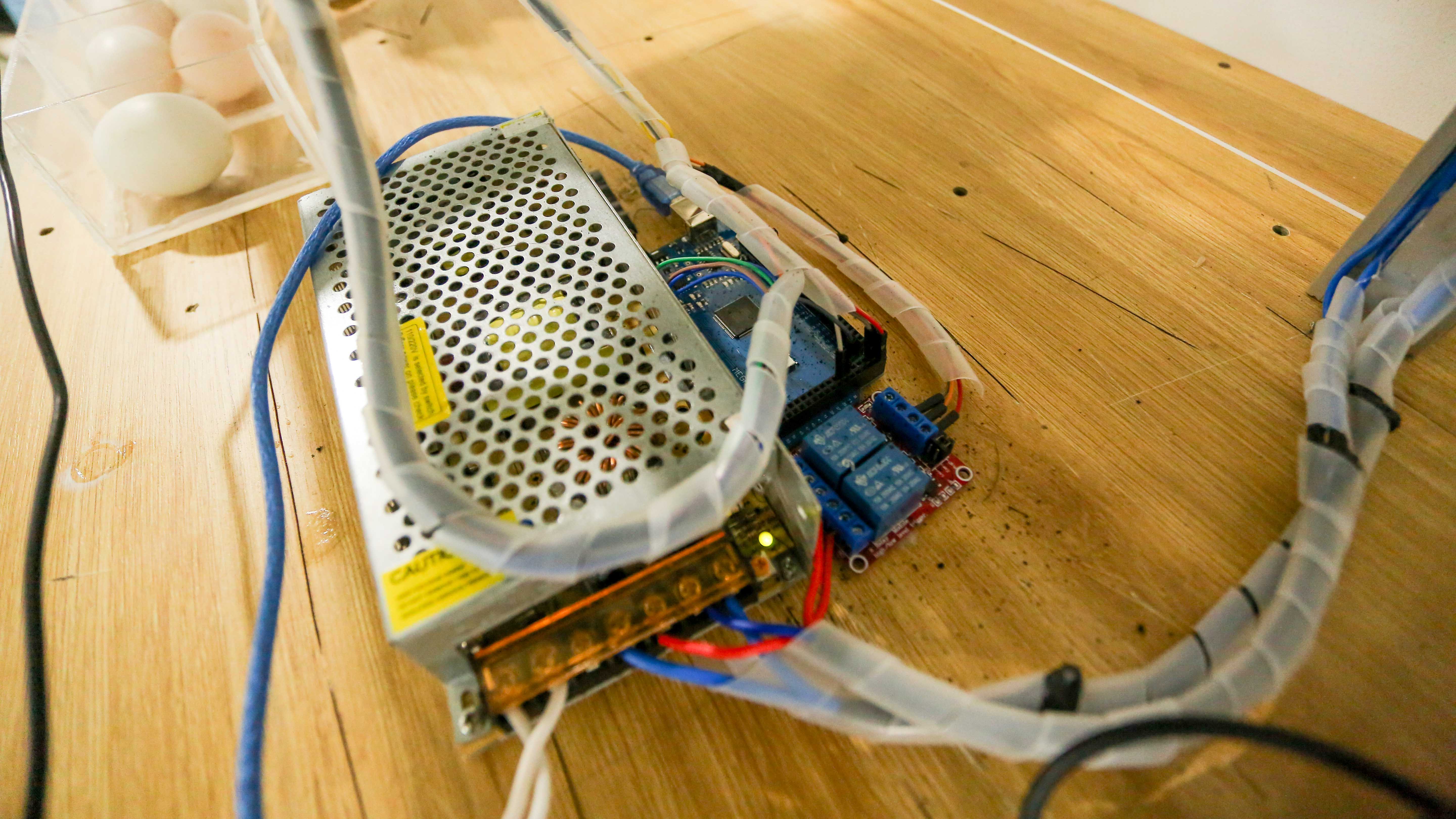
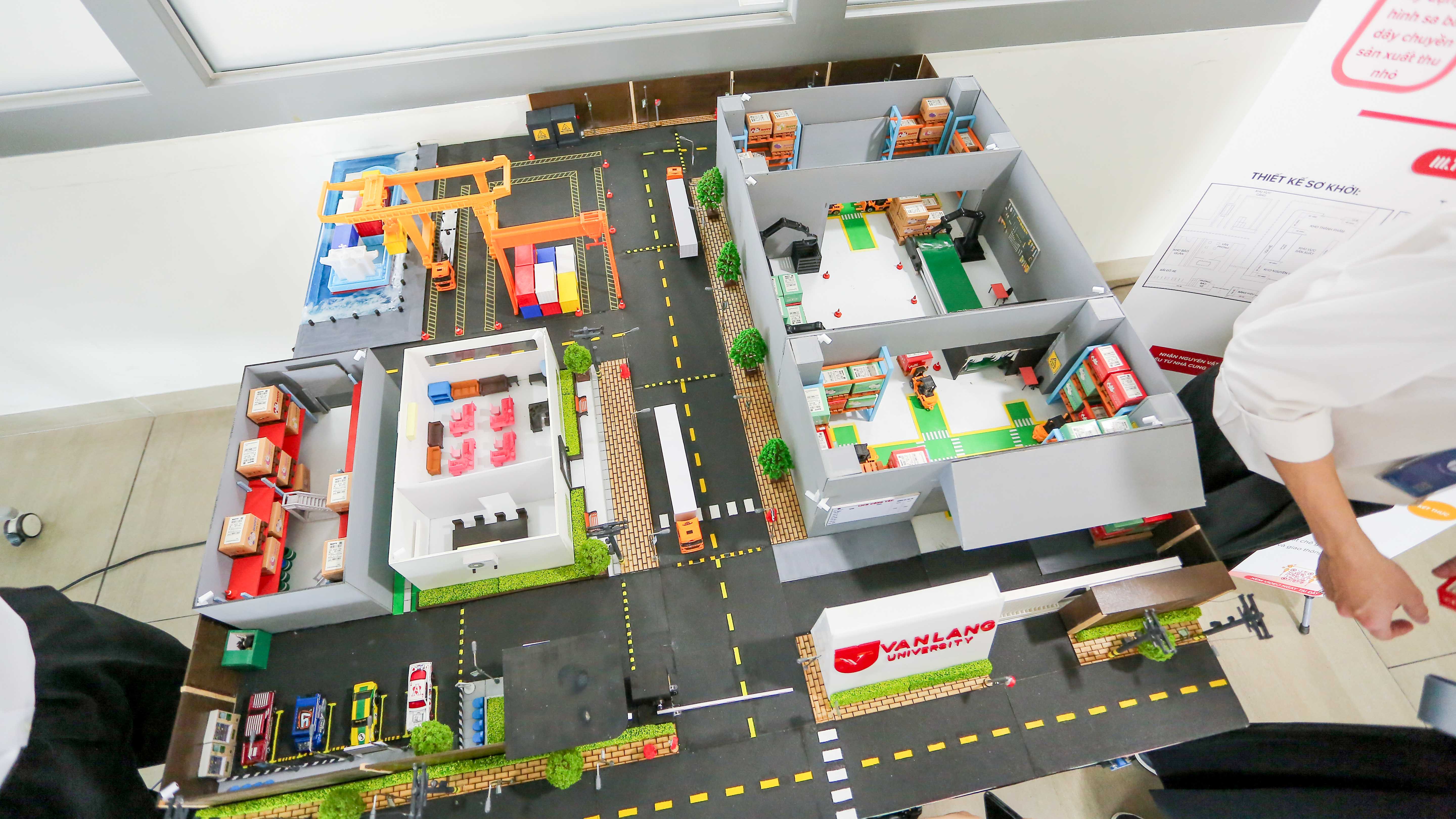
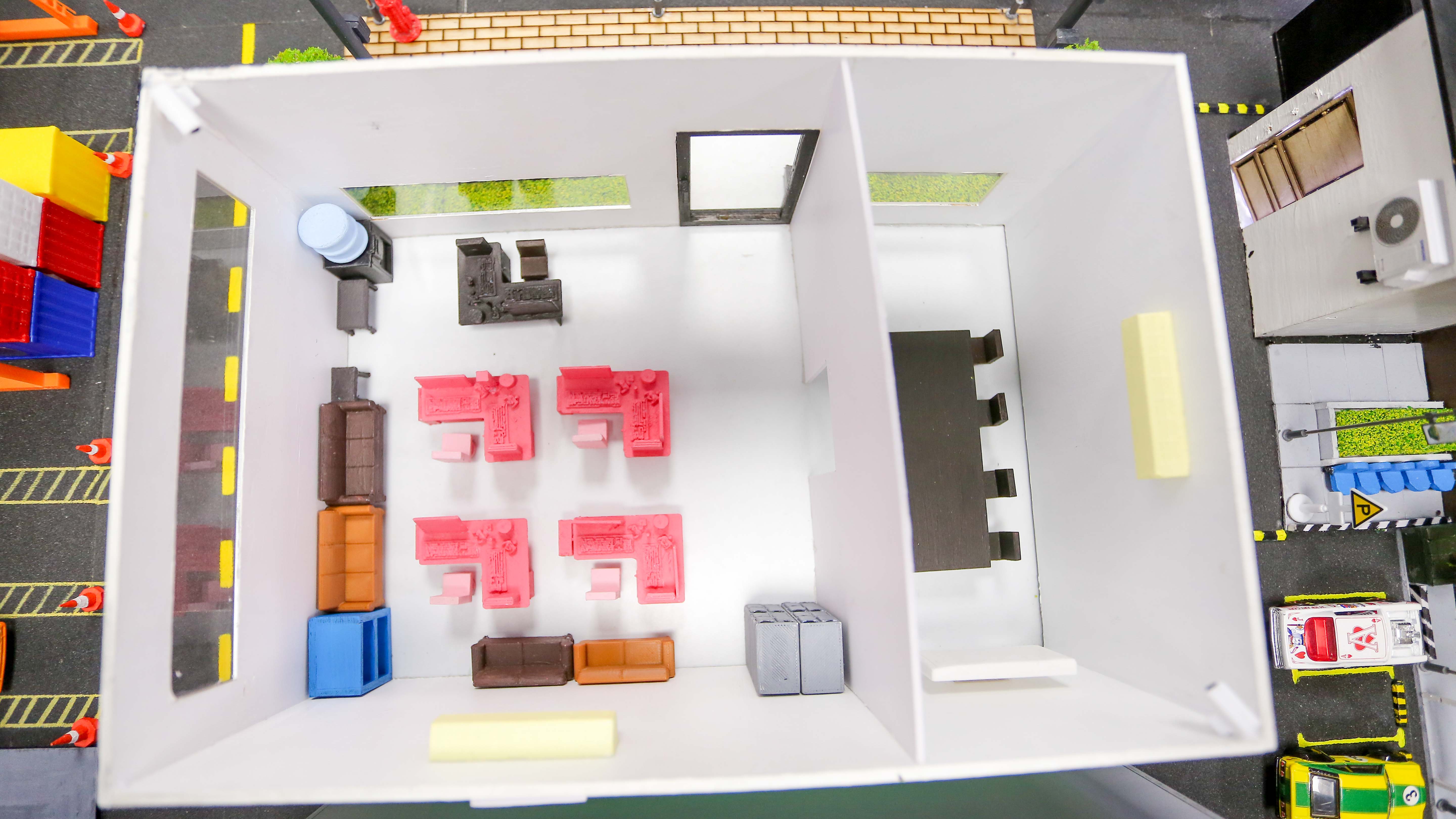
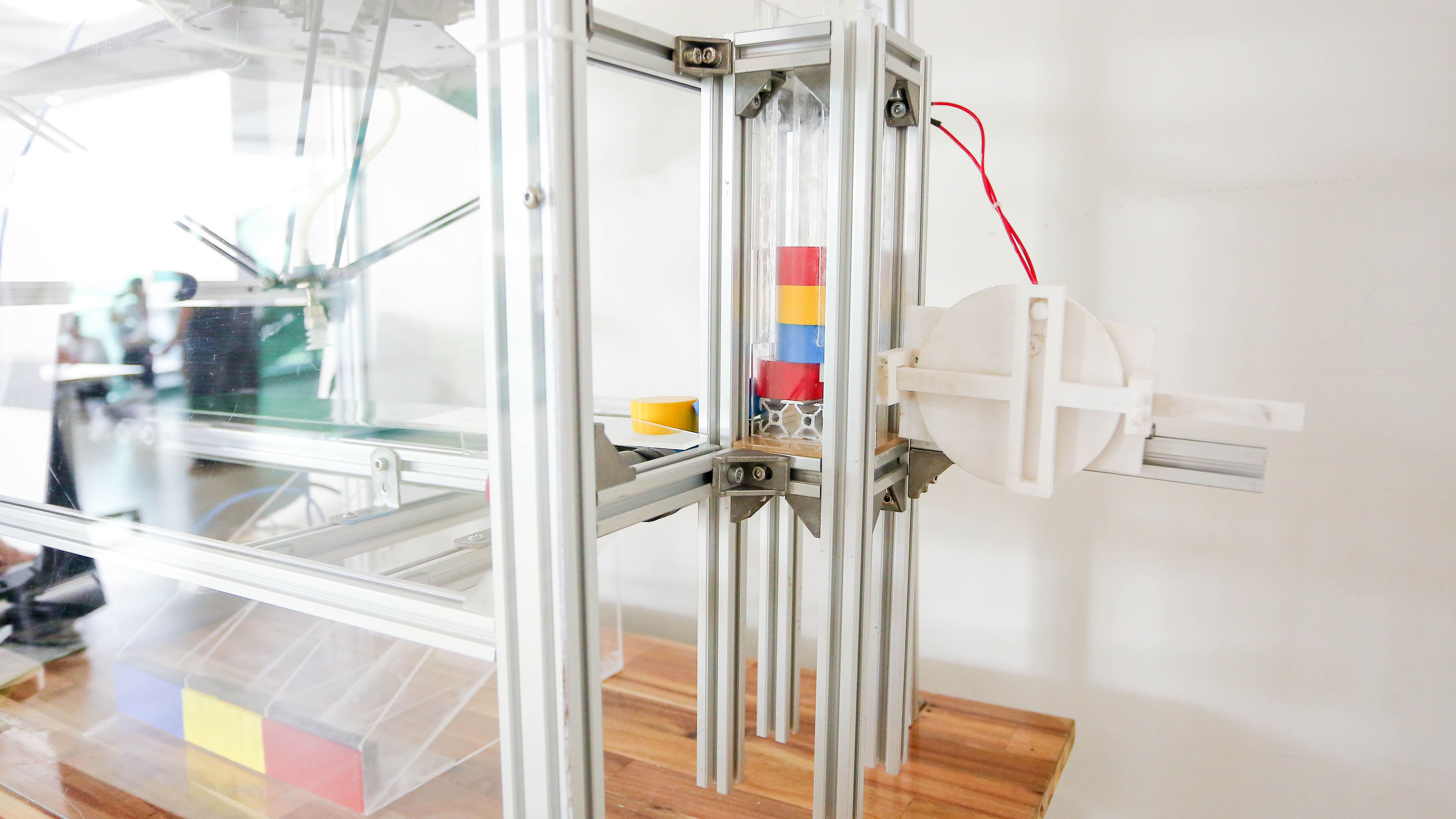
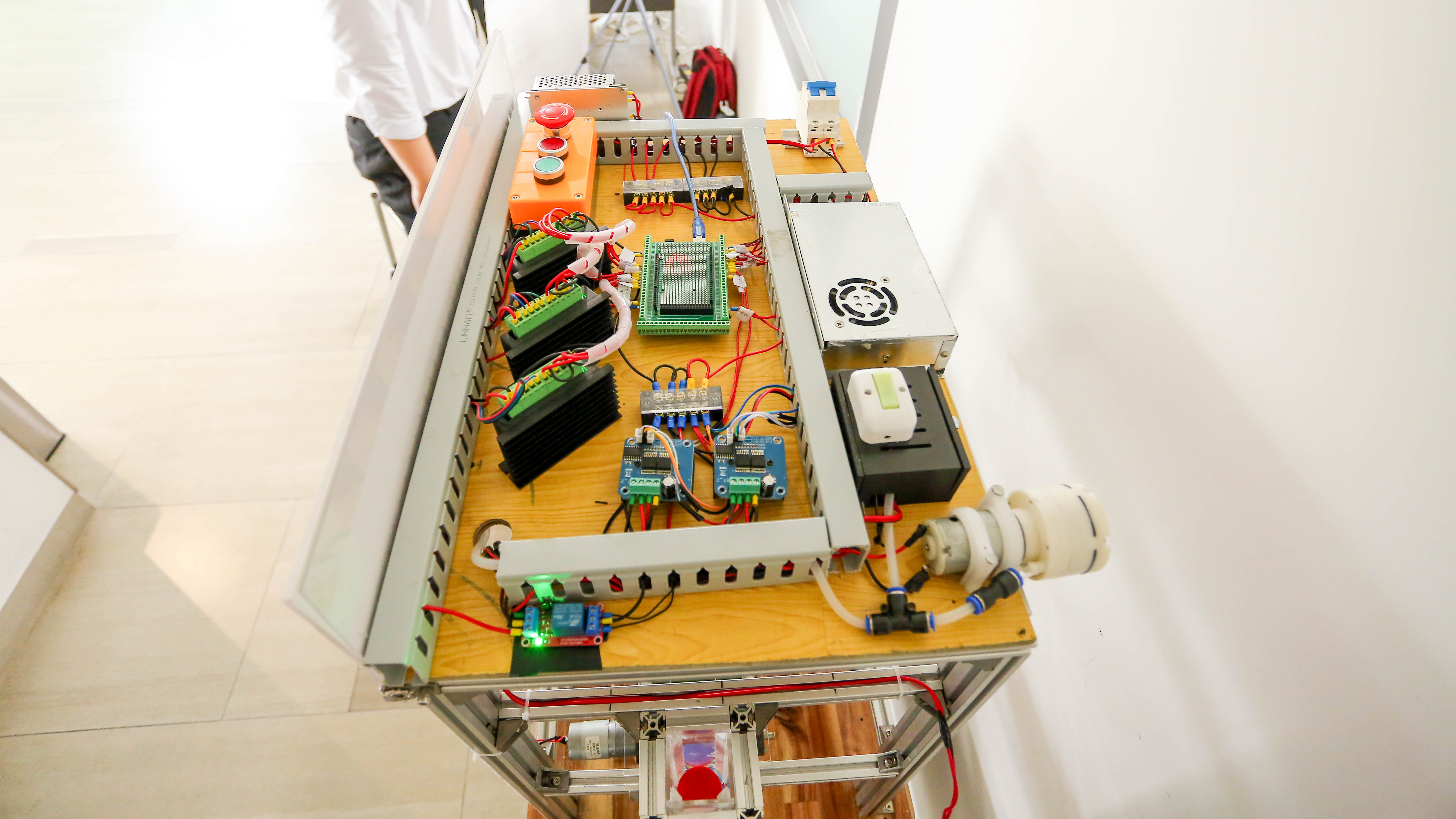
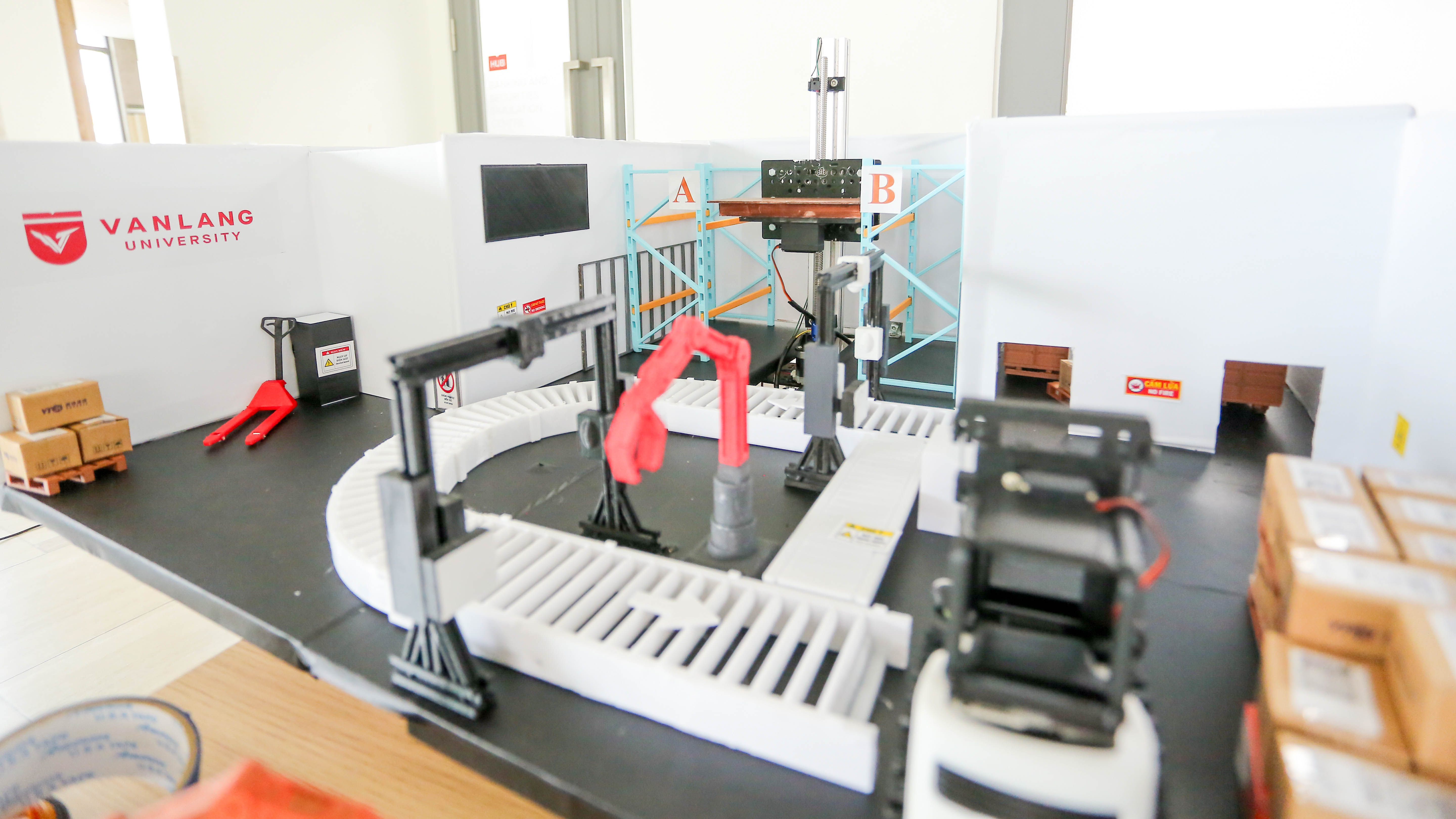
Hands-on model building gives students the opportunity to turn theory into practice and develop a more comprehensive understanding of the entire logistics operation cycle.
The course presentation “Application Models in Logistics” was also an important learning experience for Class 30 students to practice presenting, defending their ideas, and responding to feedback. It offered valuable real-world experience, helping them build confidence and prepare for professional expectations in their future careers.
News: Trang Duong
Photos: Tri Chau
Tags