
Honors Program’s Architecture students collaborate with Malaysian peers on a housing design project in Ho Chi Minh City


On October 3, 2025, UCSI University (Malaysia) and the Faculty of Architecture, Van Lang University (VLU), jointly held the final presentation for Phase 1 of the project “Alley and Canal-side Housing Design - Adaptive and Sustainable Solutions”. The project offered students an opportunity to engage in international collaborative learning while developing their ability to address social and environmental challenges.
VLU and UCSI students engage in a practical architectural project in Ho Chi Minh City
To implement the project, students from both universities conducted both online research and on-site fieldwork in Ho Chi Minh City (September 29 – October 5). This hybrid learning approach broadened their global design perspectives and deepened their understanding of local urban contexts and architectural identities, culminating in the completion of Phase 1 design proposals.
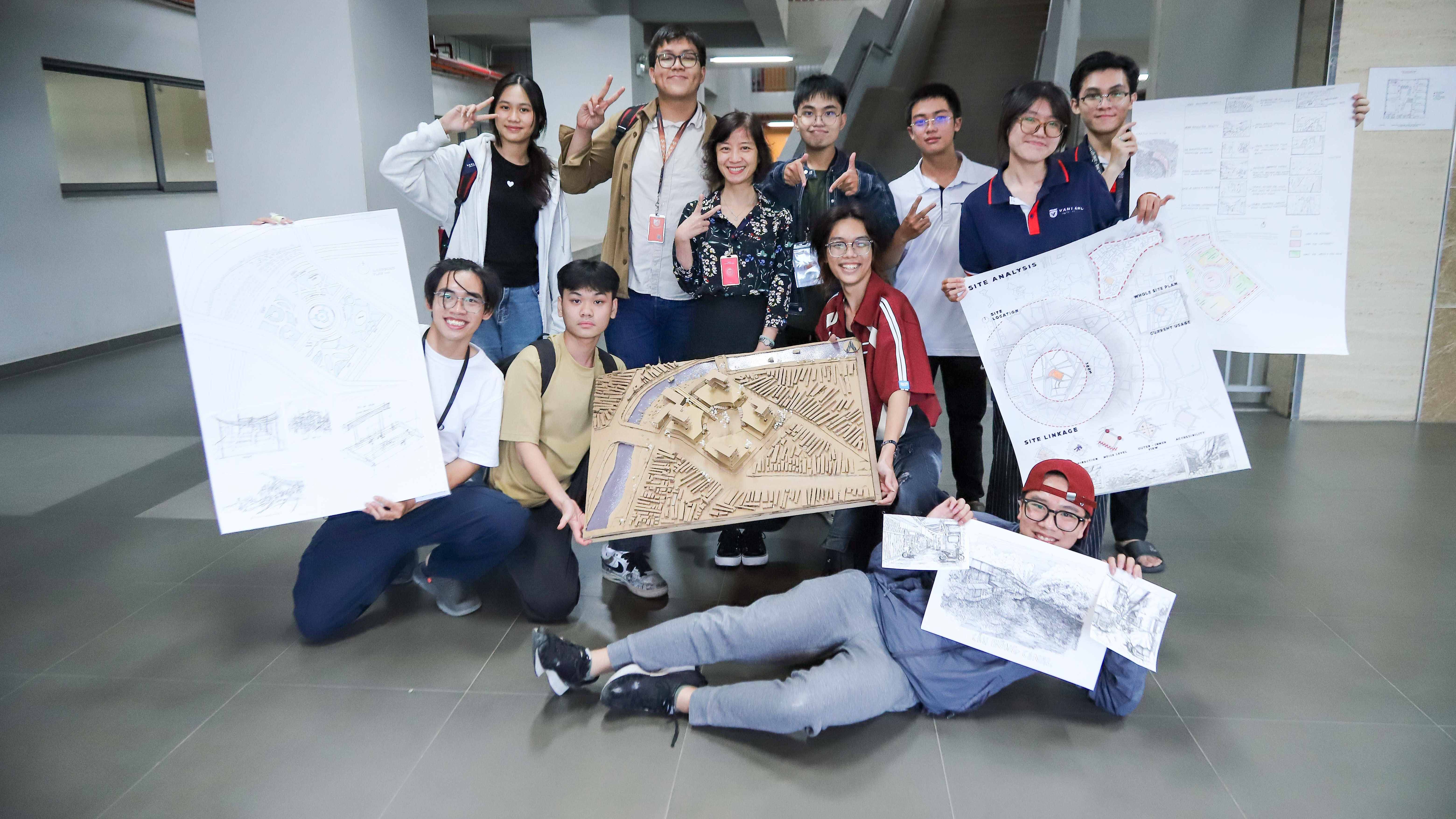
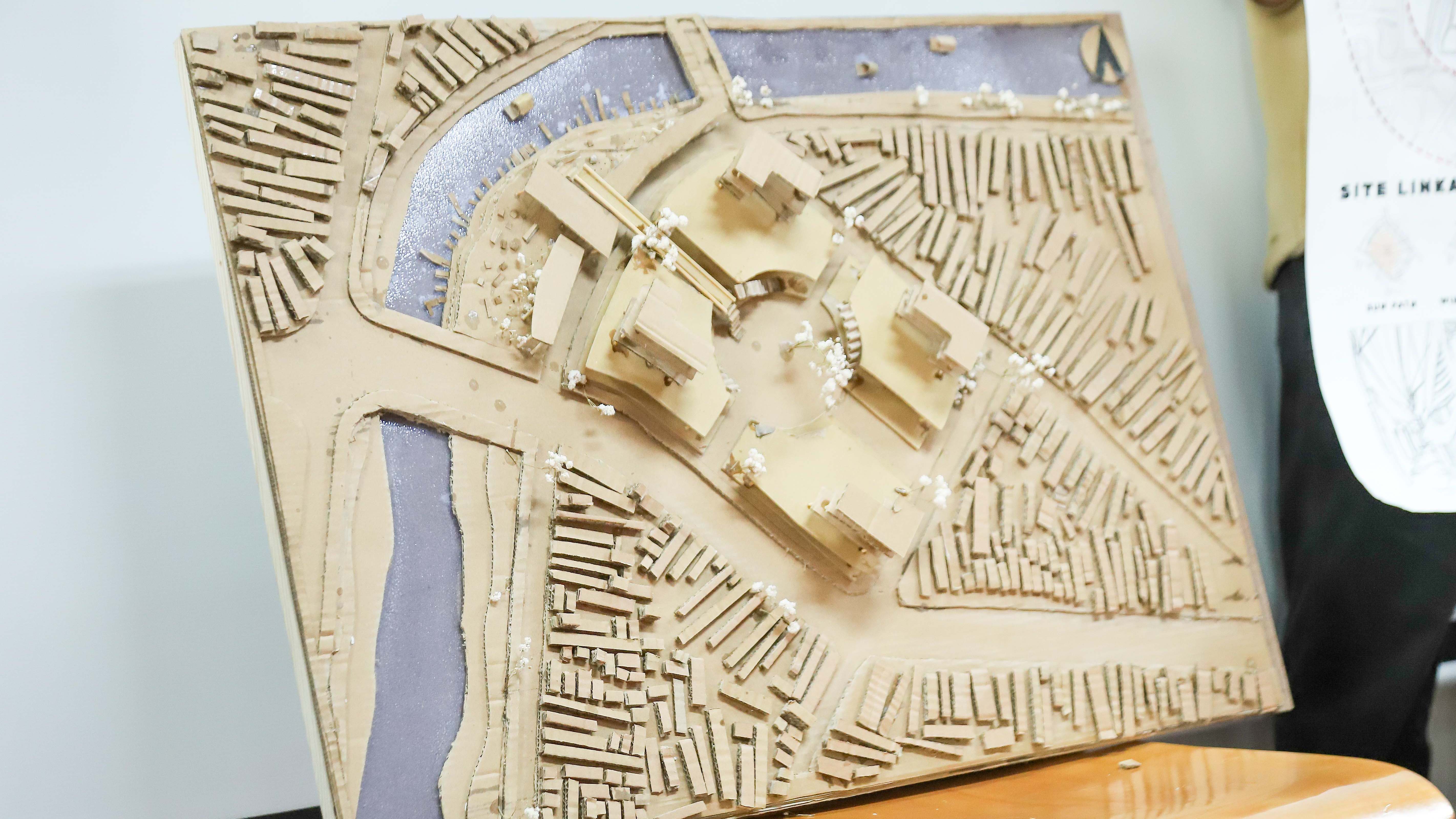
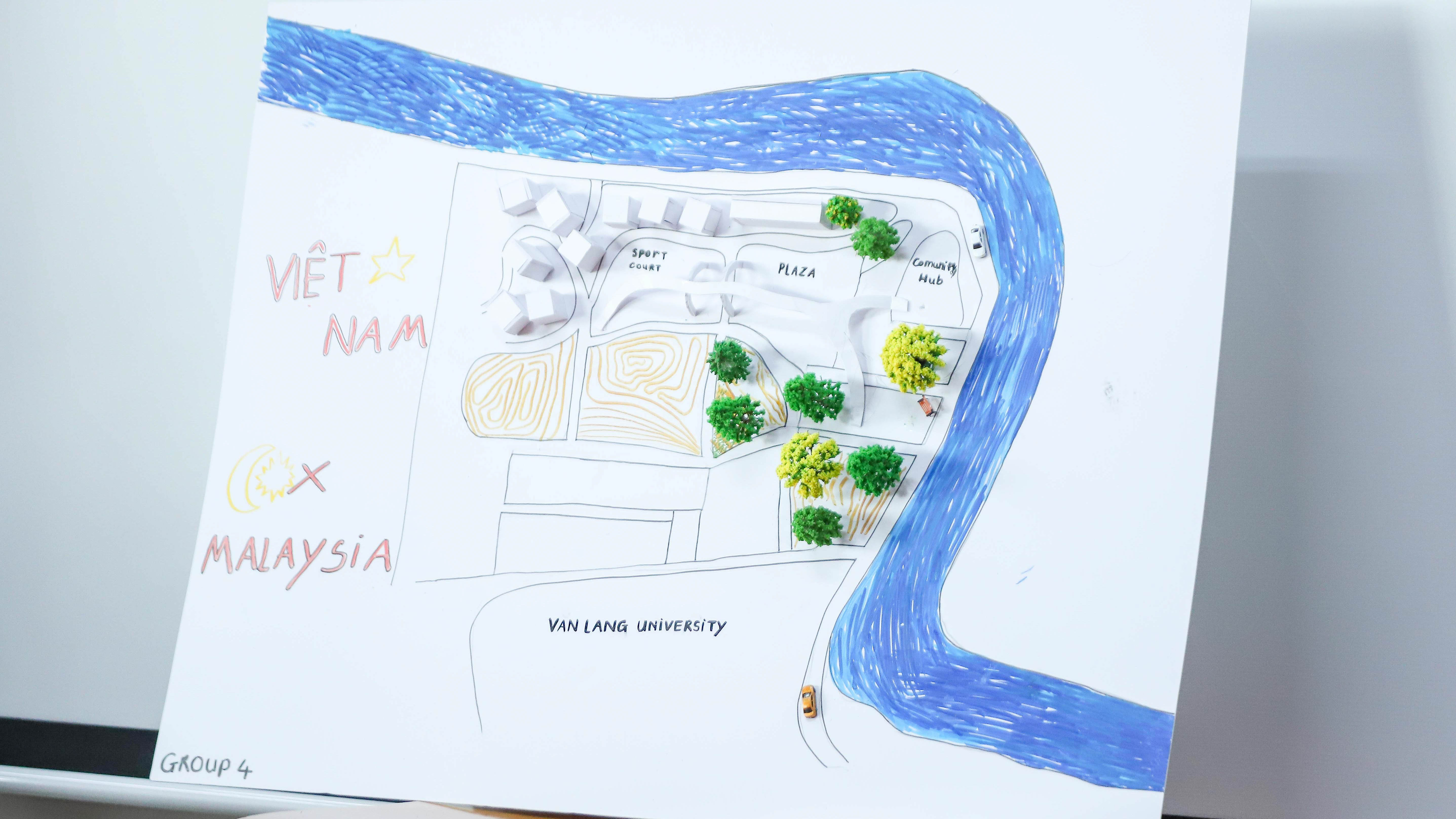
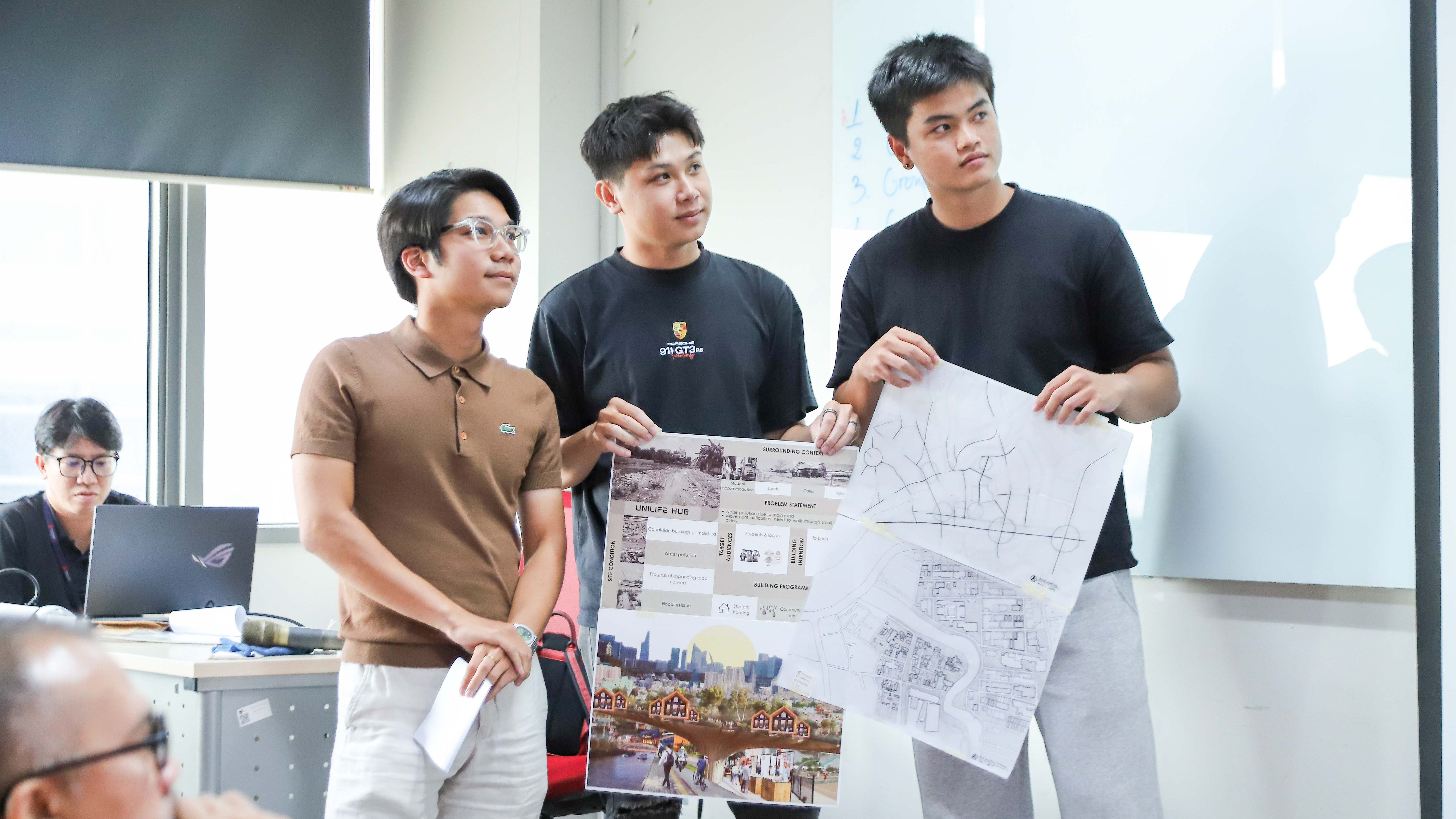
Students were divided into seven groups, each presenting research findings and design concepts focused on housing models suited to alleyways and canal-side environments in Ho Chi Minh City. The integration of field studies and online collaboration not only enhanced students’ research and design skills but also encouraged them to adopt digital tools in architectural creativity within a globalized context.
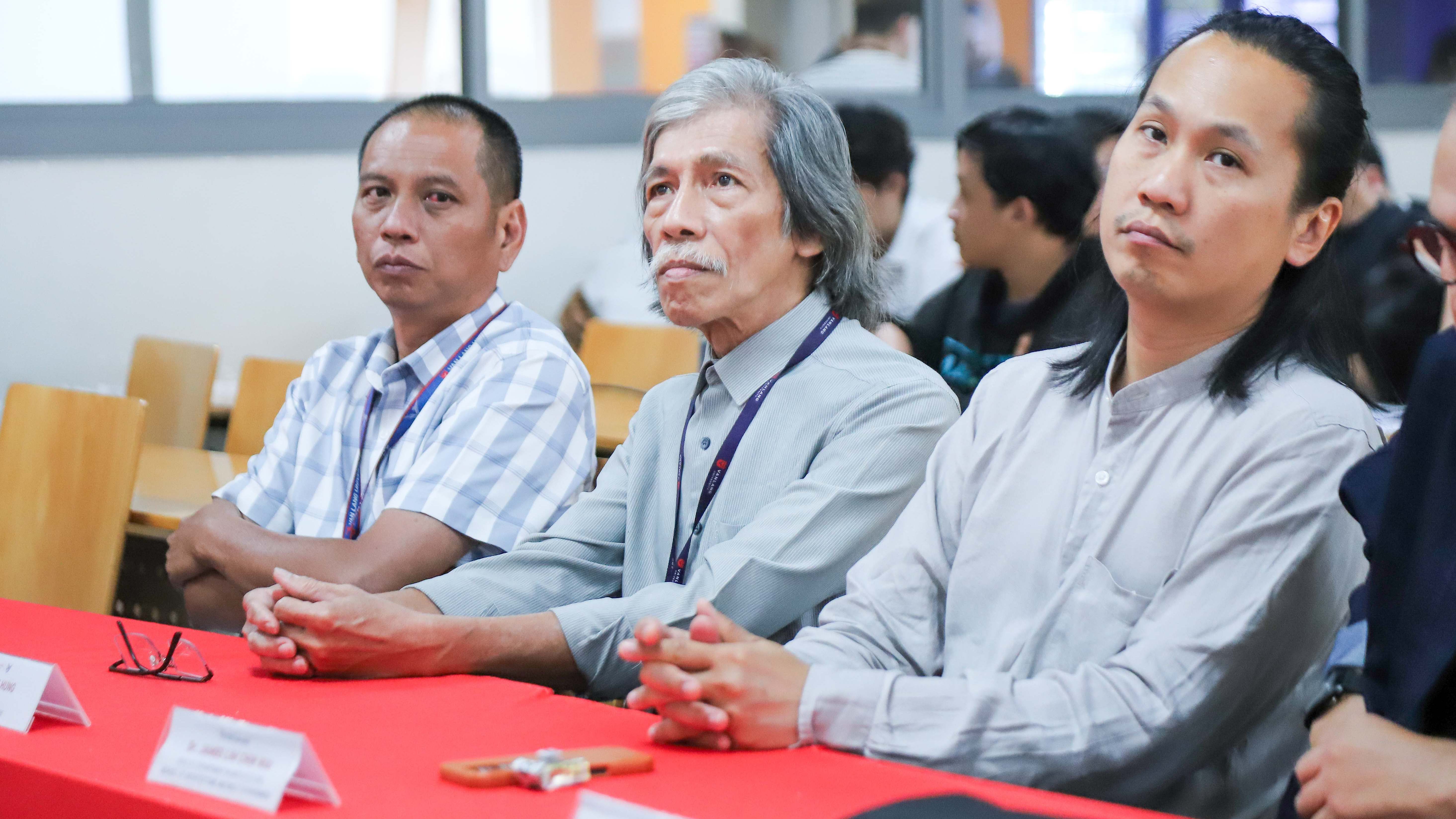
The panel highly commended the students’ commitment to analyzing urban contexts and their ability to propose applicable solutions. According to the jury, the participating groups demonstrated keen observation, initiative in exploring new perspectives, and creativity in developing community-oriented architectural designs.
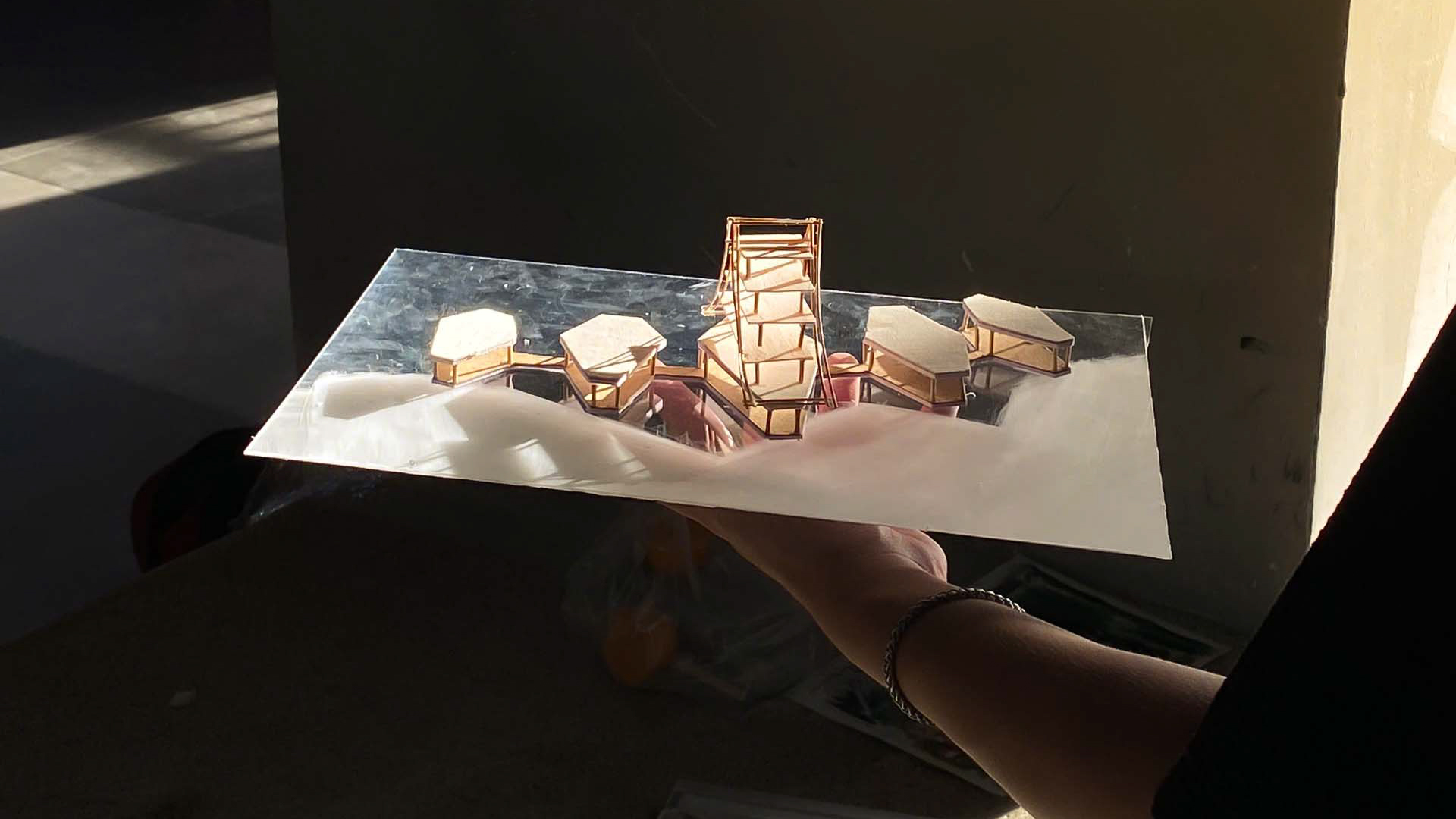
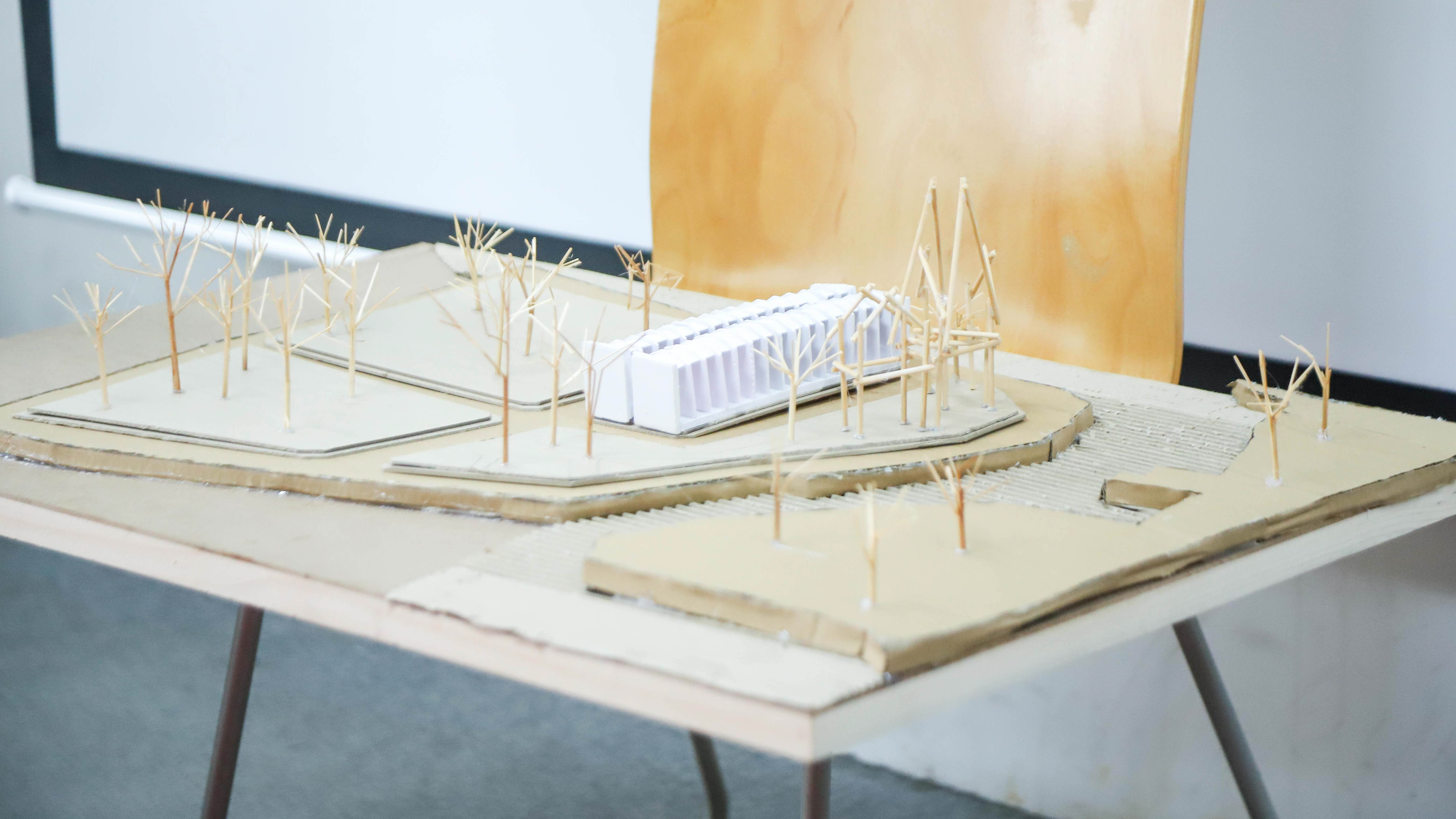
Inspired by Ho Chi Minh City’s distinctive riverine culture, Group 7’s project “Canal Vibe” aims to revitalize canal-side areas by introducing multifunctional public spaces that connect people with nature. Their concept revolves around four key pillars: (1) climate change adaptation, (2) community connectivity, (3) promotion of healthy lifestyles, and (4) creation of new cultural and recreational destinations for urban residents.
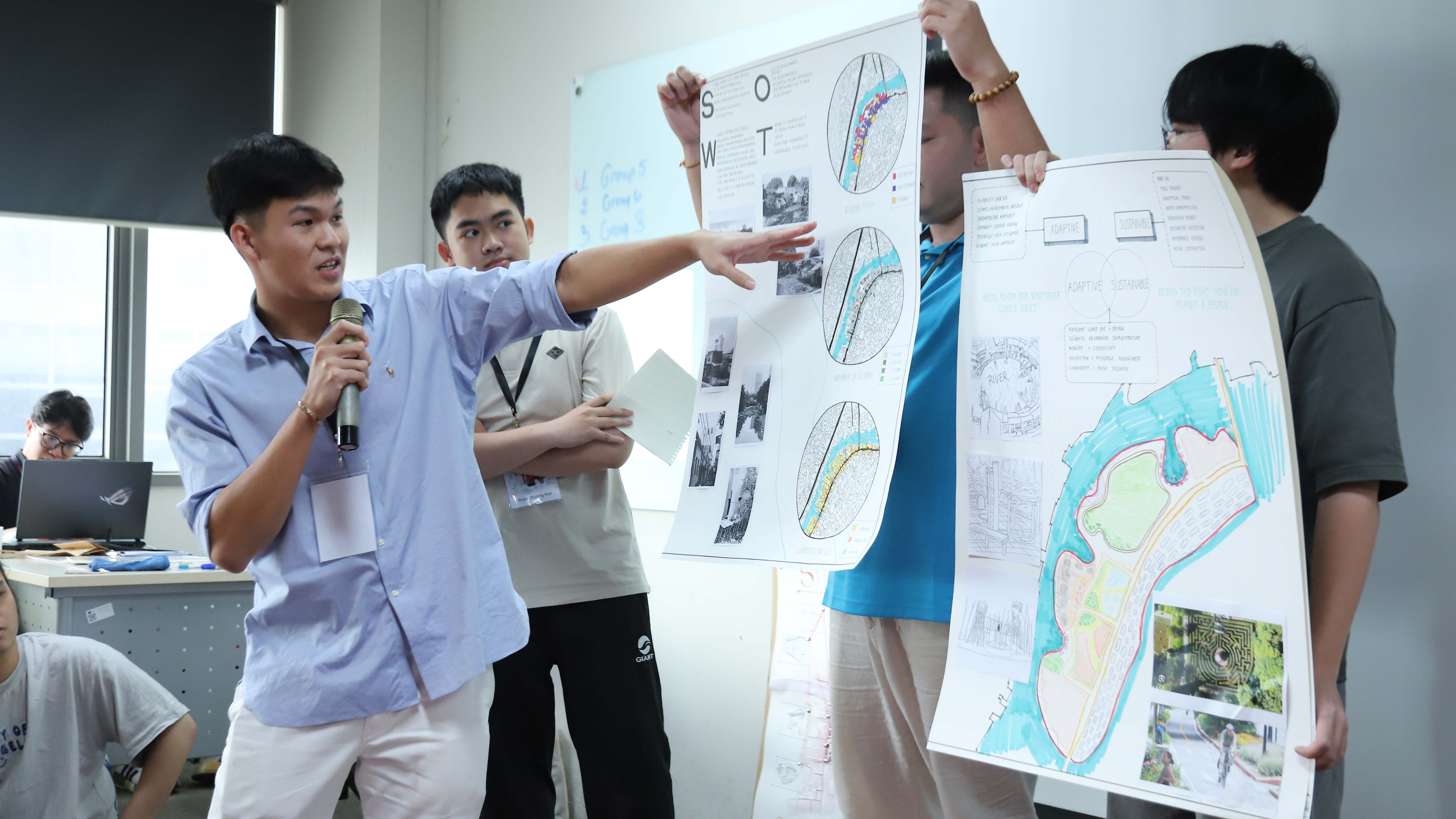
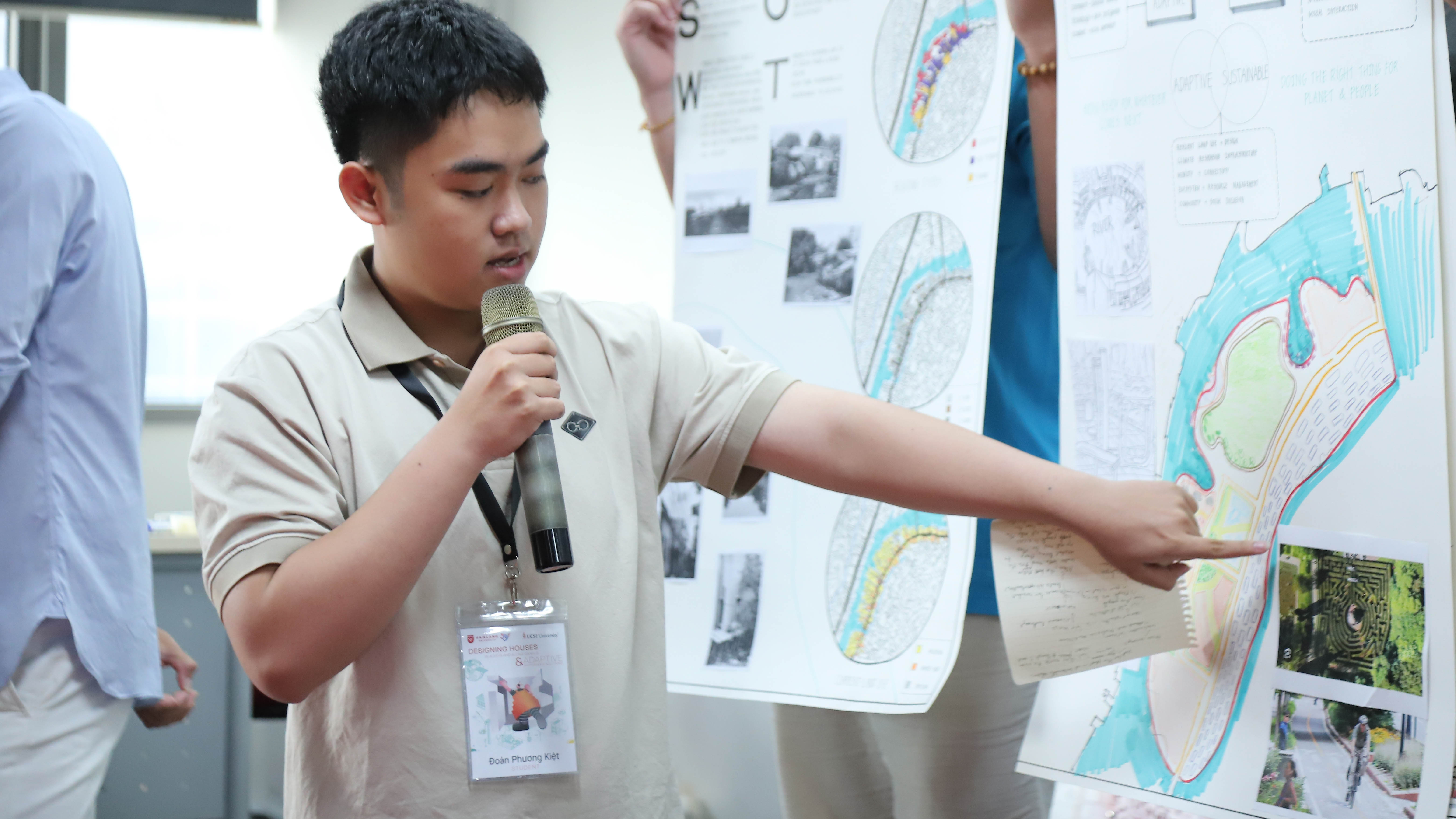
The group envisioned a dynamic waterfront area featuring a main dock and two sub-docks, a central park, camping grounds, cafés, and seasonal markets — recreating the rhythm of the city’s traditional river life within a modern context. A highlight of their proposal was a bamboo “jellyfish-inspired” rest pavilion, designed as a nature-friendly community hub for relaxation and intergenerational interaction.
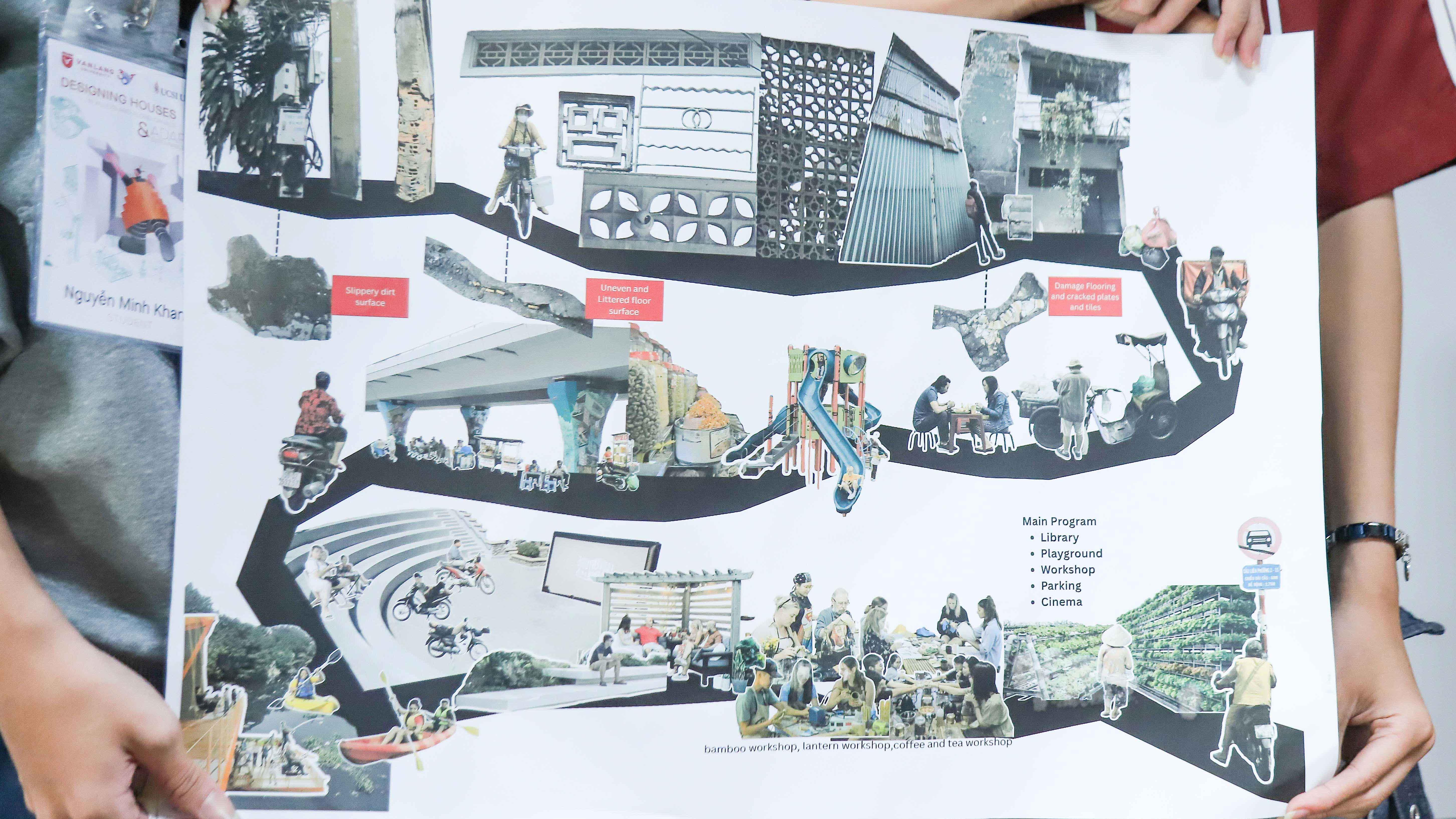
Meanwhile, Group 3’s project, “Hem trong nha” (Alley Within a House), draws inspiration from the alley structure, a distinctive feature of Vietnamese urbanism, to propose a social housing model for low-income residents, integrating traditional markets and communal living spaces. Architecturally, this concept is expressed through dynamic spatial rhythms on the building façade and a column structure reminiscent of traditional riverside houses.
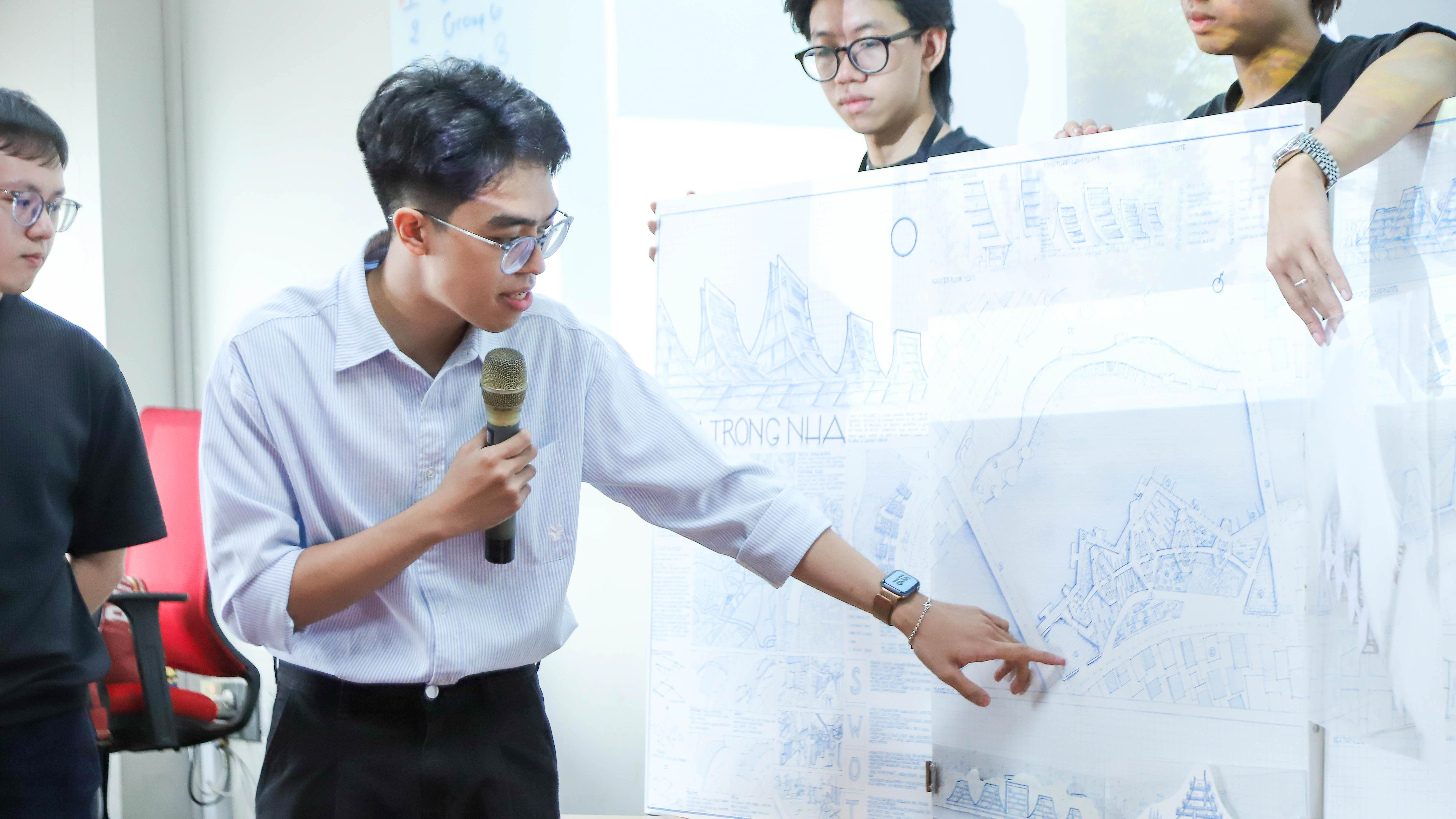
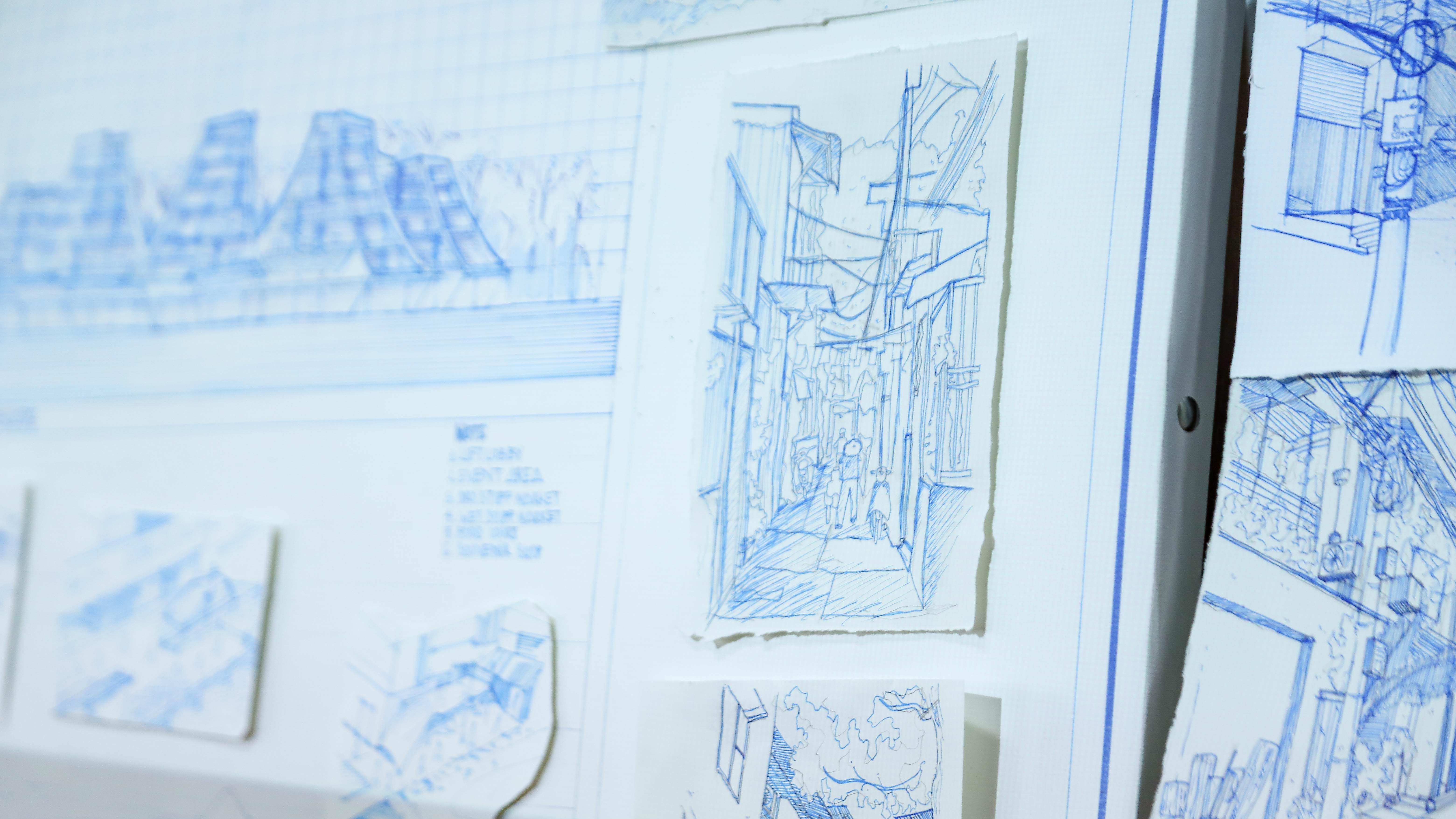
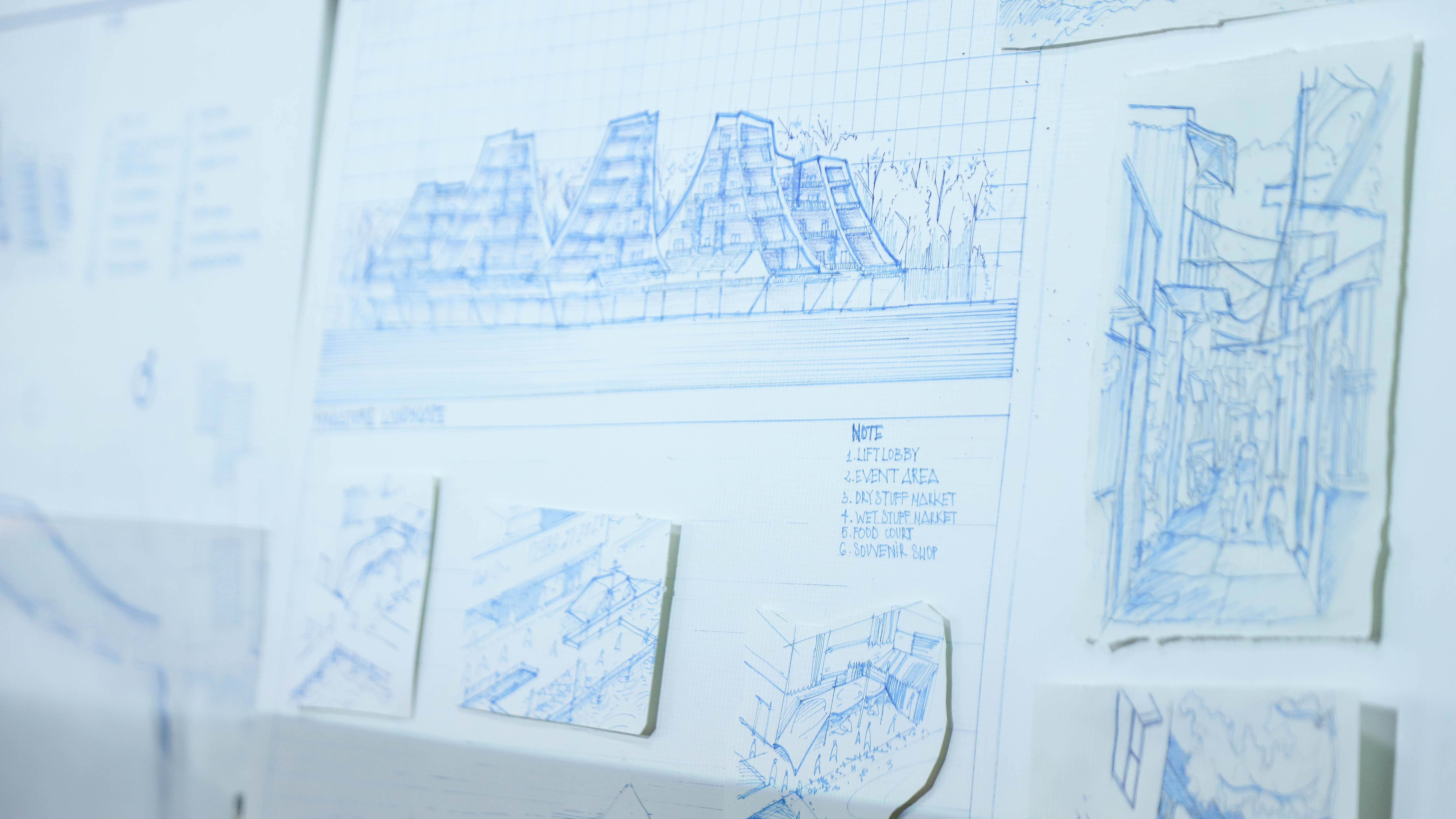
The structure features a soaring vertical form, symbolizing aspirations for growth and progress, while incorporating riverside cultural elements through public rest areas and communal spaces. Additionally, the use of traditional-style light wells ensures natural ventilation and cost efficiency. This multifunctional integration aims to recreate the sense of village community within a modern apartment complex, fostering intergenerational interaction, strengthening local identity, and enhancing urban vibrancy.
According to Dr. Arch. Do Phu Hung, Dean of the Faculty of Architecture at Van Lang University, the project provided a valuable experiential learning opportunity that went beyond classroom boundaries. In architectural education, “learning through real-world experience” is a core element that helps students cultivate both a professional mindset and resilience.
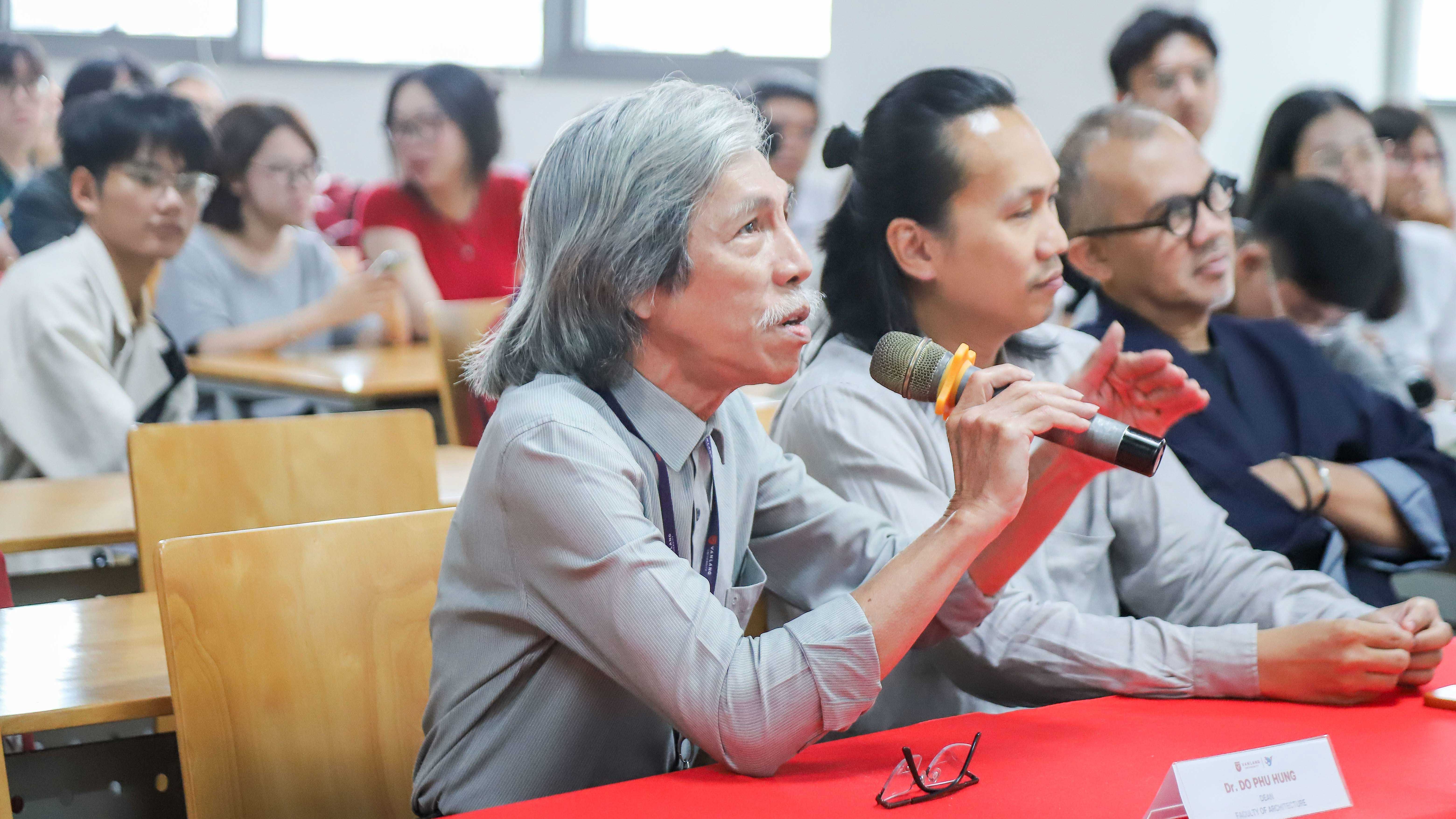
The collaboration between the two universities has created opportunities for knowledge exchange and exposure to new, more practical perspectives in the field of architecture and urban planning. Dr. Hung highly valued the project’s in-depth observations, which extended beyond the urban scale to encompass everyday community life, reflected through discussions on modular and community-based design solutions. These experiences provided both lecturers and students with valuable insights, turning the project into a meaningful learning and creative environment.
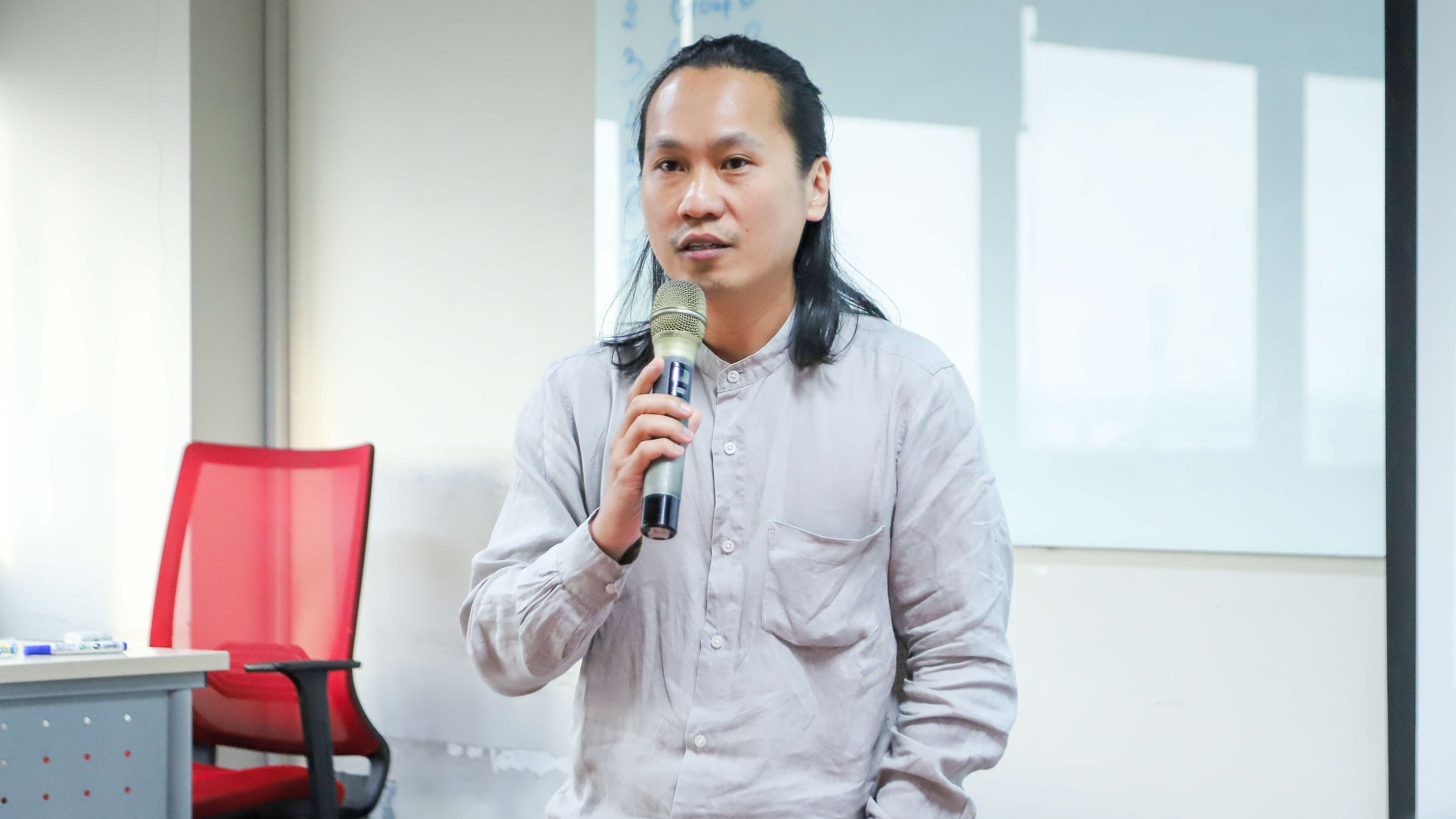
Dr. James Lim Chin Wai, Head of Department at UCSI University, expressed his appreciation for the practical experiences provided by Van Lang University to UCSI students. He emphasized the importance of such hands-on collaborations, noting that real-world data gathered in Ho Chi Minh City would continue to inform their design development over the next 10 weeks. According to him, the challenges at the site served as a main point throughout the learning process. He also expressed that two days were too short to deepen this meaningful collaboration.
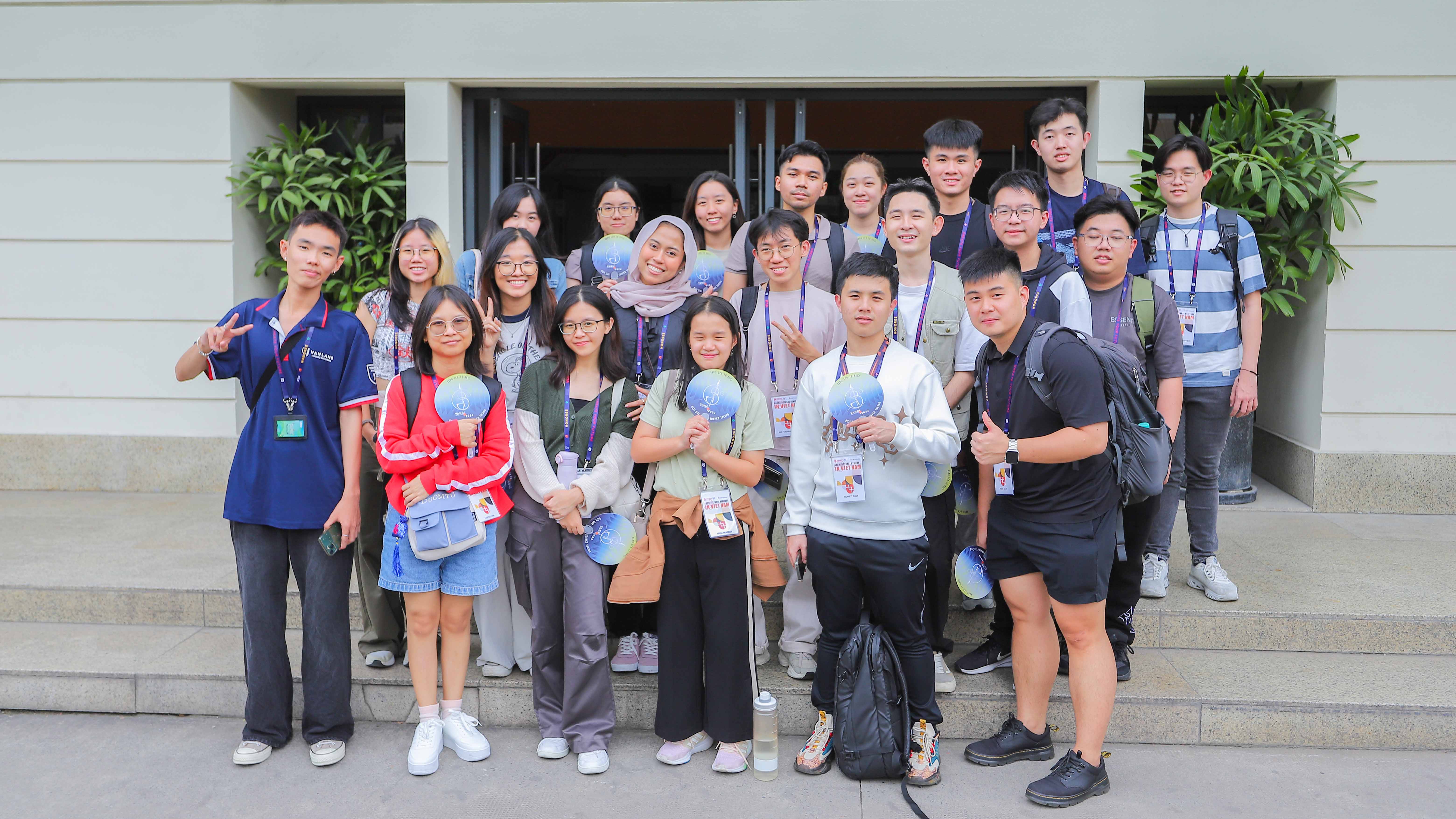
Earlier, in December 2024, Van Lang University welcomed a student delegation from School of Architecture & Built Environment, UCSI University, for a short-term international exchange program. That initial exchange marked the beginning of a long-term partnership between the two institutions, promoting joint research on architecture and urban planning.
News: Khanh Huyen
Photos: Tram Le
Tags