
Graduation Project of Class 27 in Automotive Engineering Technology: Creativity – Practicality – Sustainability


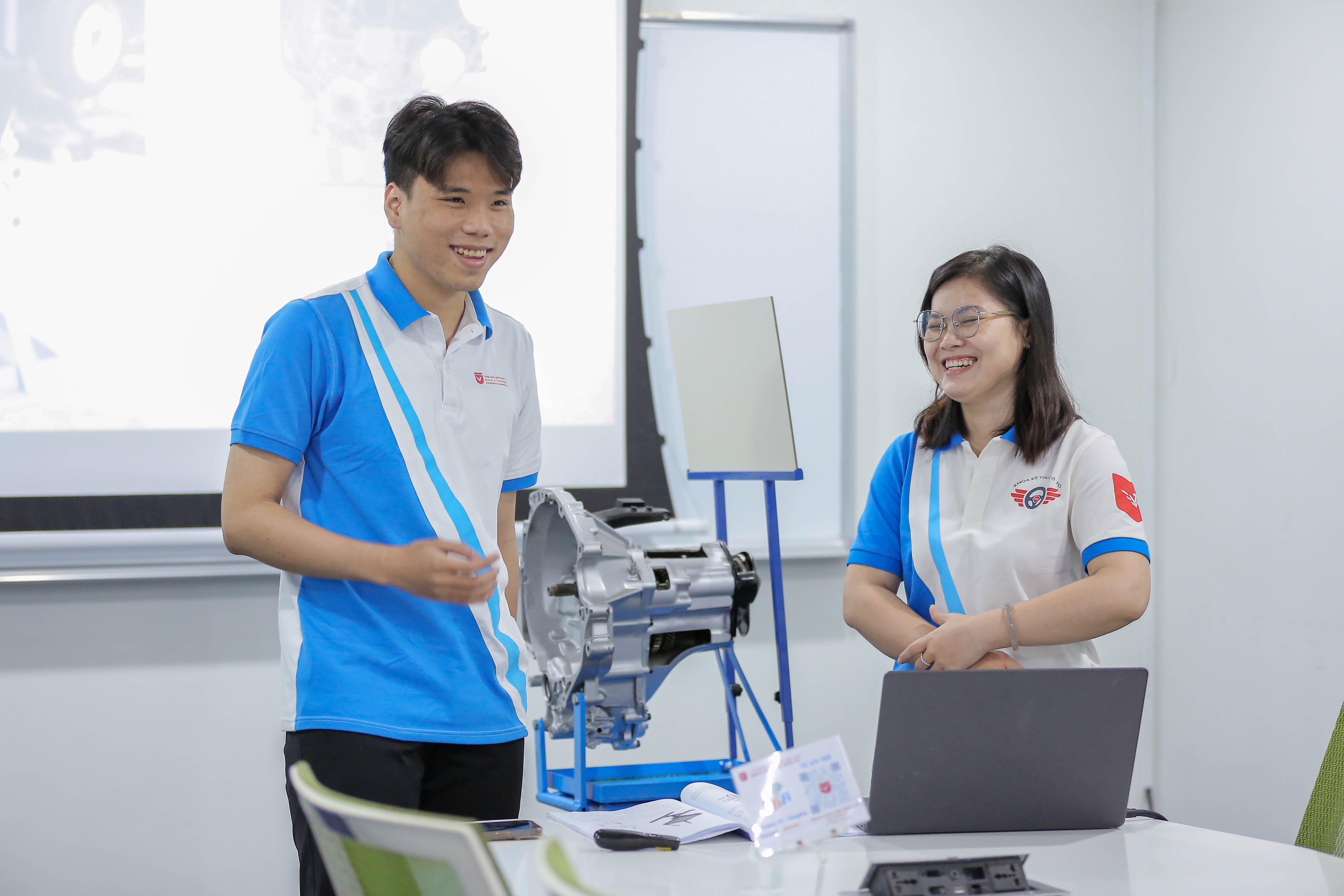
From September 4 to 8, 2025, the Faculty of Automotive Engineering, Van Lang University, organized the graduation thesis defense for Class 27 Automotive Engineering Technology students, with more than 150 high-quality projects. This is an important milestone, marking the academic and research journey of future engineers after over four years of training.
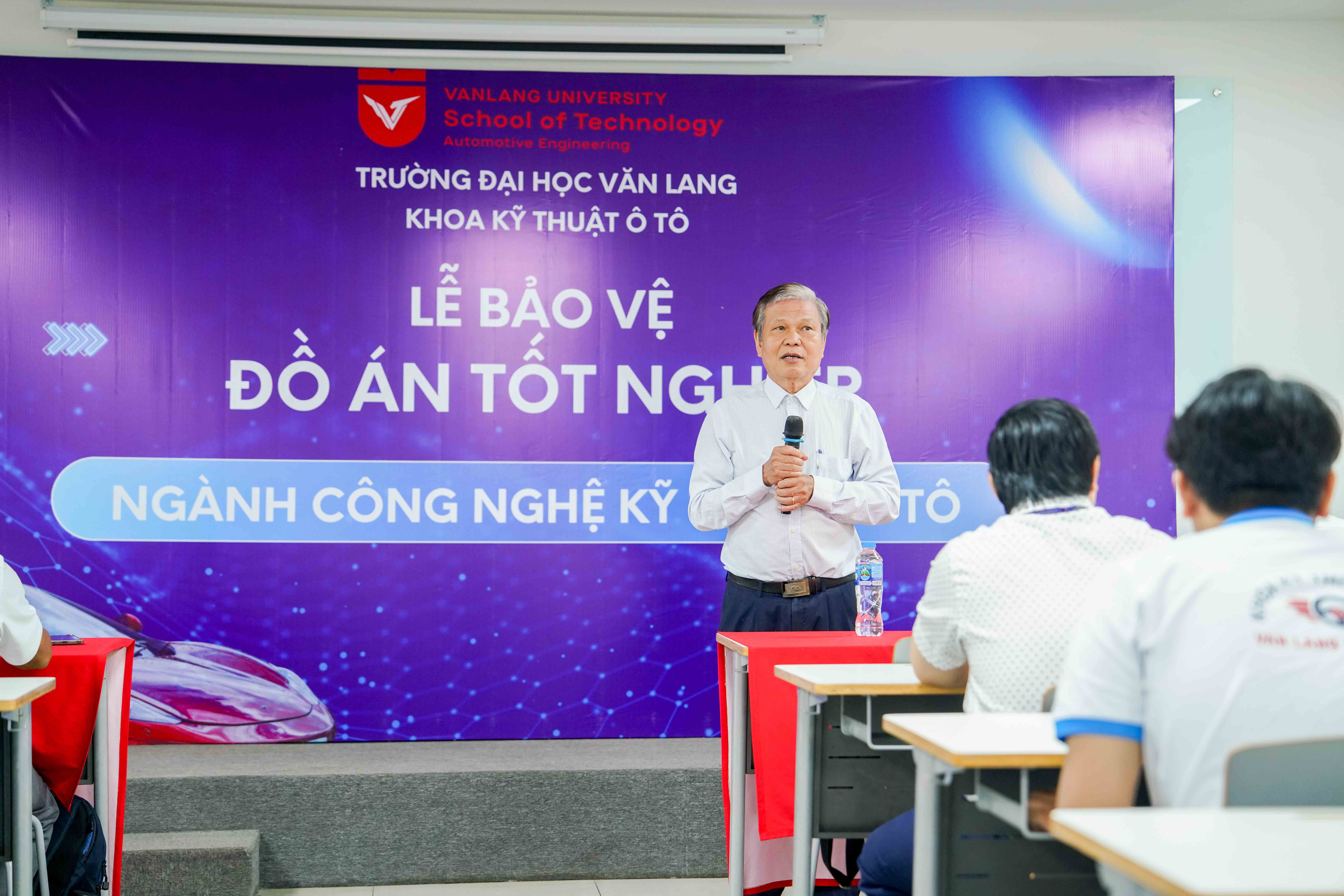
Assoc. Prof. Dr. Le Huu Son – Dean of the Faculty of Automotive Engineering, Van Lang University - emphasized: “The thesis defense is not only the final academic challenge but also an opportunity for students to practice creative thinking, critical thinking, and presentation skills. We expect our students to maintain confidence and composure to achieve the best results.”
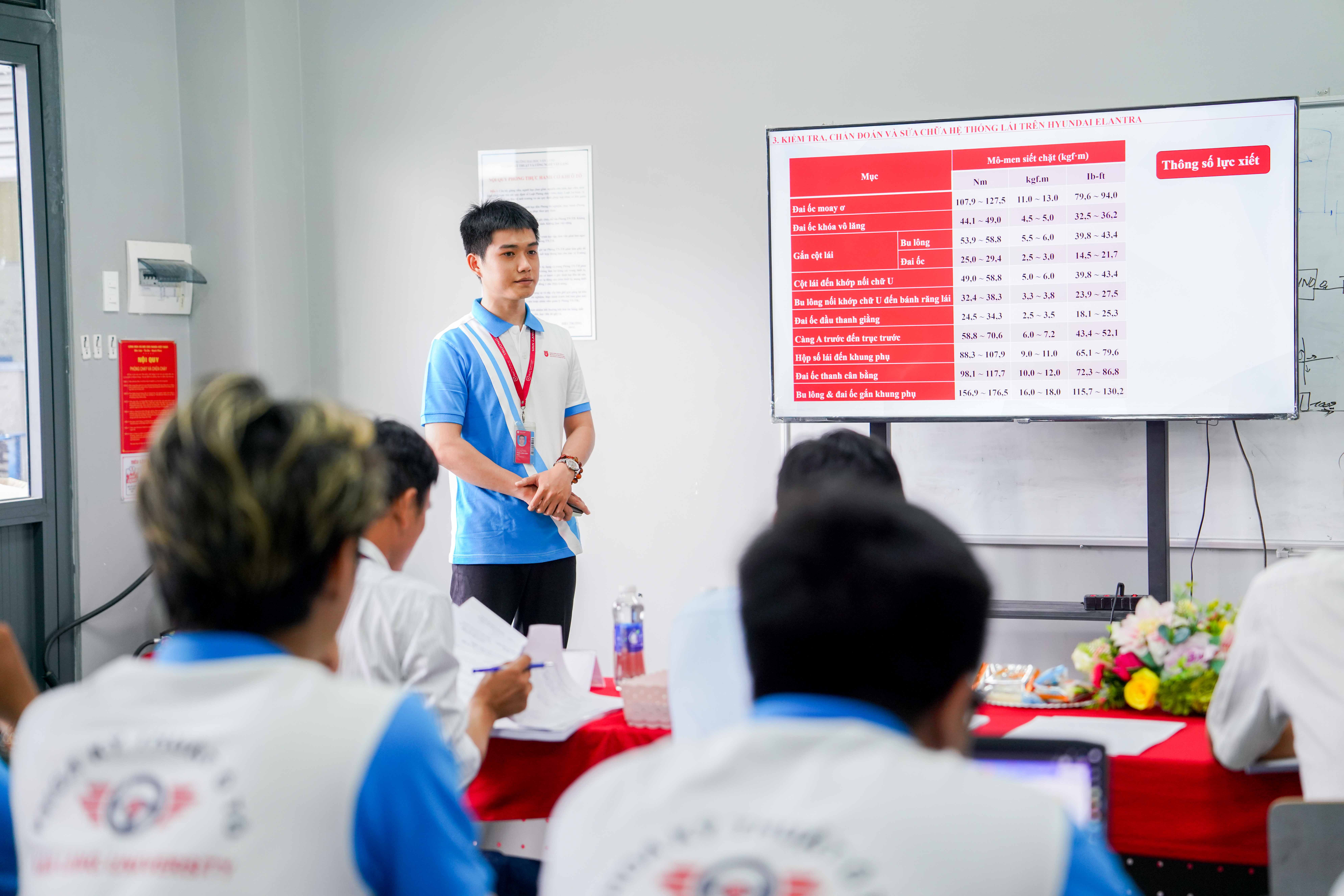
This year’s projects were highly evaluated by the Judging Panel for their diversity and relevance, focusing on key areas of the field. In addition to traditional topics such as engines and chassis, students also researched transmissions, fuels, braking systems, air suspension, power steering, and electric–hybrid vehicles. Many projects expanded into new technology trends, such as smart lighting integrated with sensors, 360-degree cameras, automatic door locks, electric seats, solar energy applications, simulation research, durability analysis of mechanical components, and lightweight materials to optimize performance and fuel efficiency. Alongside, traffic safety and environmental issues such as ABS braking systems, airbags, and emission reduction solutions were also appreciated for their humanity and practical significance.
The projects this year demonstrated novelty, delving into core issues of the modern automotive industry, which were invested in by students with significant effort, and applied their knowledge to real-world problem-solving. Many groups proactively built models, conducted measurements, and validated experiments, evidence of the comprehensive development of Automotive Engineering Technology students.
Some projects received high recognition and outstanding results from the Judging Panel, such as: “Design and Manufacture of a 3D Model of a V-type Internal Combustion Engine” by student Hoang The Viet; “Study on Evaluating the Wear of the 5S FE Engine” by students Tran Huynh Dat and Nguyen Trung Dung; “Research and Development of a Mechanical Model of the Engine on Hyundai Starex 2006” by student Nguyen Thanh Tai.
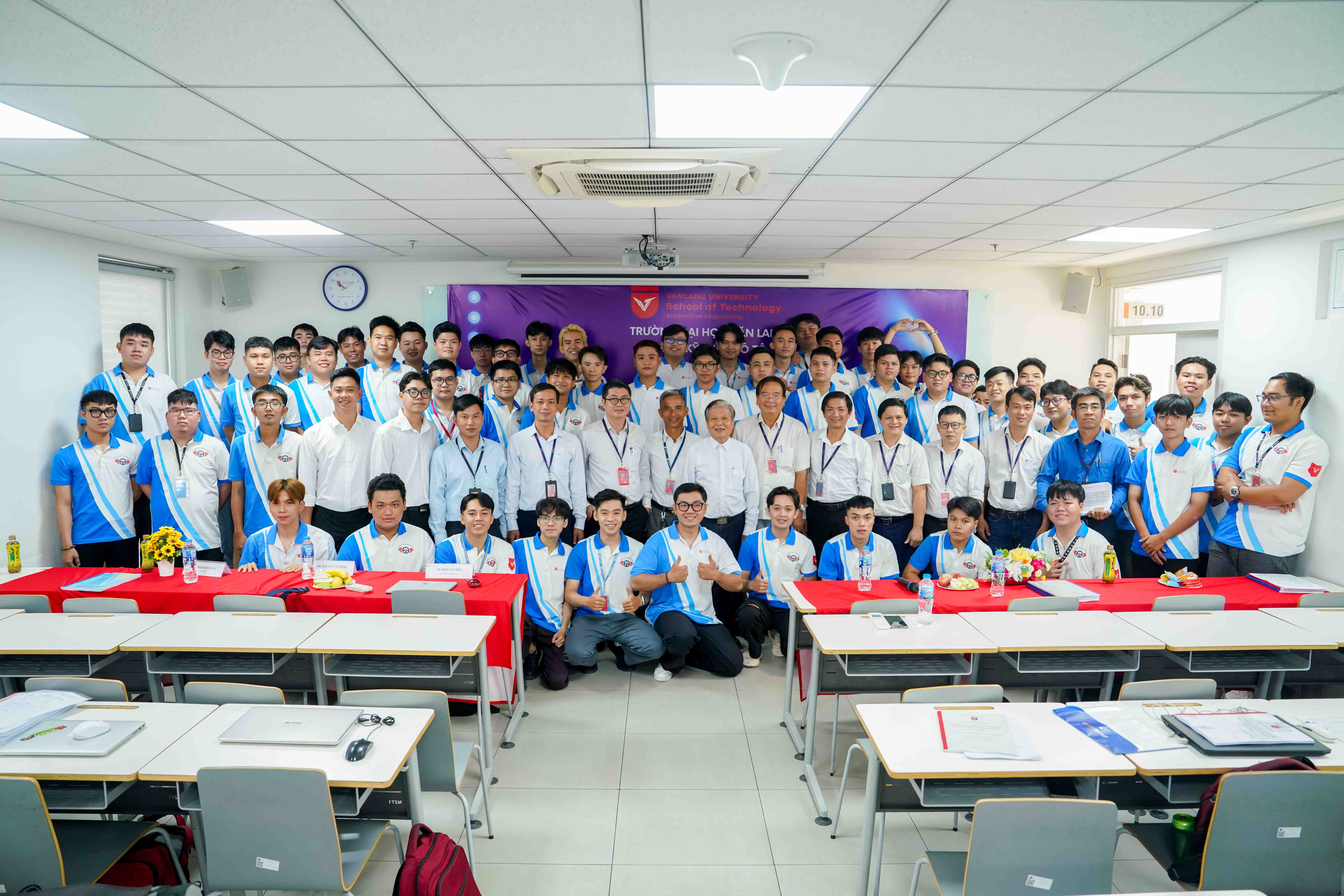
The graduation defense of Class 27 students in Automotive Engineering Technology not only showcased professional competencies but also highlighted agility and adaptability to new technological trends. After four years of study, the students are now fully equipped with the knowledge and skills needed to enter the workforce and contribute to the development of Vietnam’s automotive industry in the era of digital transformation.
News: Dang Khoa, Hoang Anh
Photos: Minh Phuong, Gia Khang, Nhu Hieu
Tags