
A research project to produce the compost sample from classified organic waste in Long An province and assess its quality


In April, 2022, The Faculty of Environment of Van Lang University cooperated with the World Wildlife Fun (WWF) to implement a research project to produce the compost sample from classified organic waste from Tan An city, Long An province and assess the quality of it.
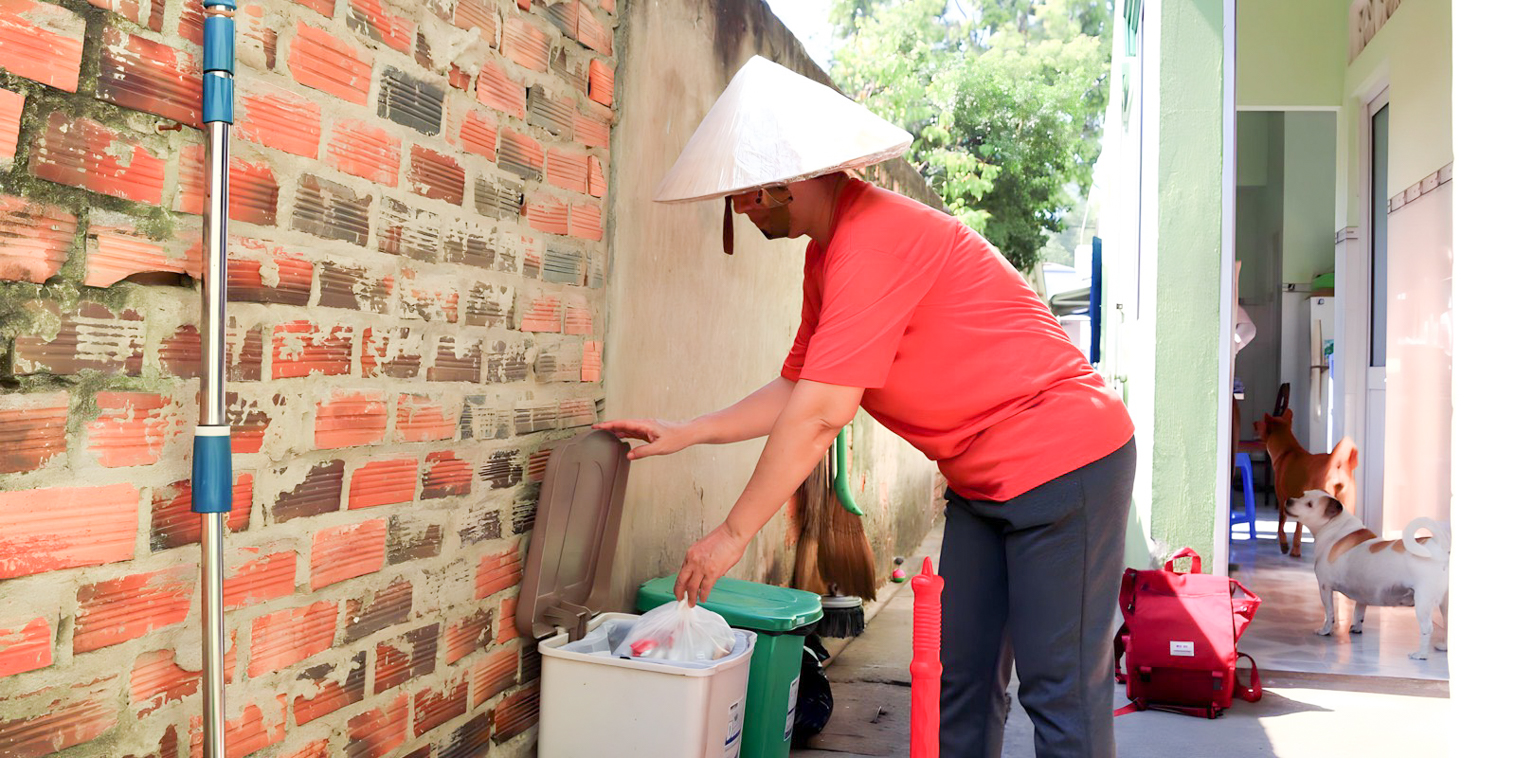
Management and treatment of municipal solid waste is a pressing concern in the world, especially in developing countries. In particular, the benefits of composting have proven its practicality and feasibility in solving this problem. However, this method is still very difficult to implement effectively due to the big challenge of solid waste classification at source.
In Vietnam, Long An province is one of the localities that has implemented household waste classification for many years. On November 19th, 2021, Long An Provincial People's Committee decided to continue maintaining the waste classification model at source in Ward 3, Tan An City. At the same, the province also expands the model to all of wards in Tan An city as well as the remaining districts and towns.
Coordinating with URENCO Tan An and relevant authorities, after one year of implementation, the solid waste classification project at source has piloted the model with the participation of more than 4,800 households in Ward 3, Tan An City. The project also funded necessary equipment including about 10,000 trash bins for households, two (02) vans to collect segregated waste. Additionally, the project raises residents’ awareness of the benefits of waste classification and train about 1,000 officials and people on waste classification at source.
After being classified, the waste will be collected separately by URENCO Tan An workers. In addition, classified organic waste can be utilized to recycle organic waste and create economically beneficial products through the composting process. Therefore, the participation of the Faculty of Environment of Van Lang University in the research plays a crucial role to the project. The research "Compost sample producing and quality assessing from classified organic solid waste in Ward 3, Tan An City" aims to evaluate the feasibility of the recycling process.
The project lasts for 13 weeks, aiming to propose a sustainable solid waste management plan which focuses on recycling biodegradable solid waste in Long An province. To achieve this goal, the research team of the Faculty of Environment of Van Lang University had set specific tasks including determining biodegradable solid waste components which could likely be the materials for the composting process. Besides, the research team also built and tested a pilot model at the main campus of Van Lang University (69/68 Dang Thuy Tram, Ward 13, Binh Thanh District) and conducted an assessment of compost product quality.
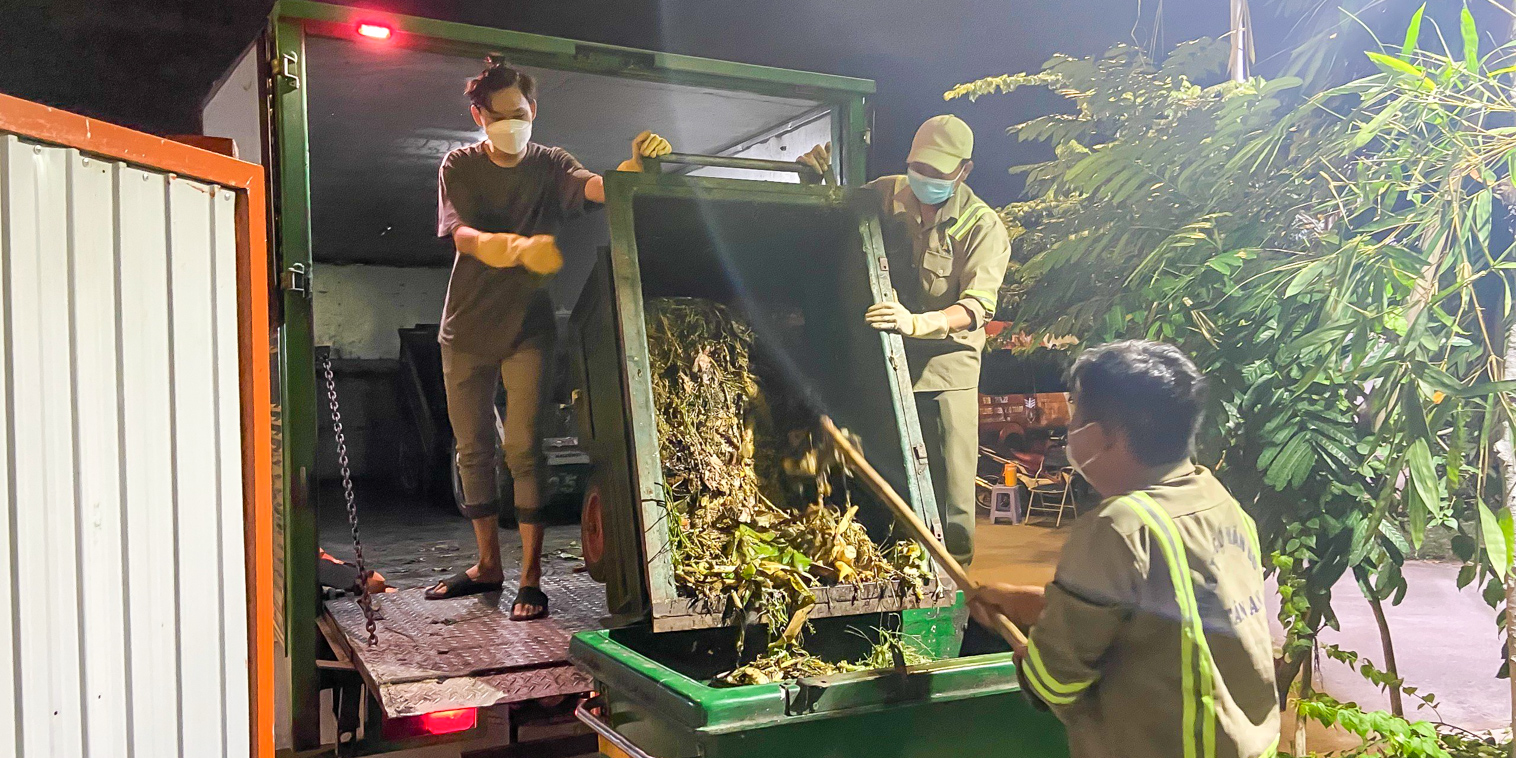
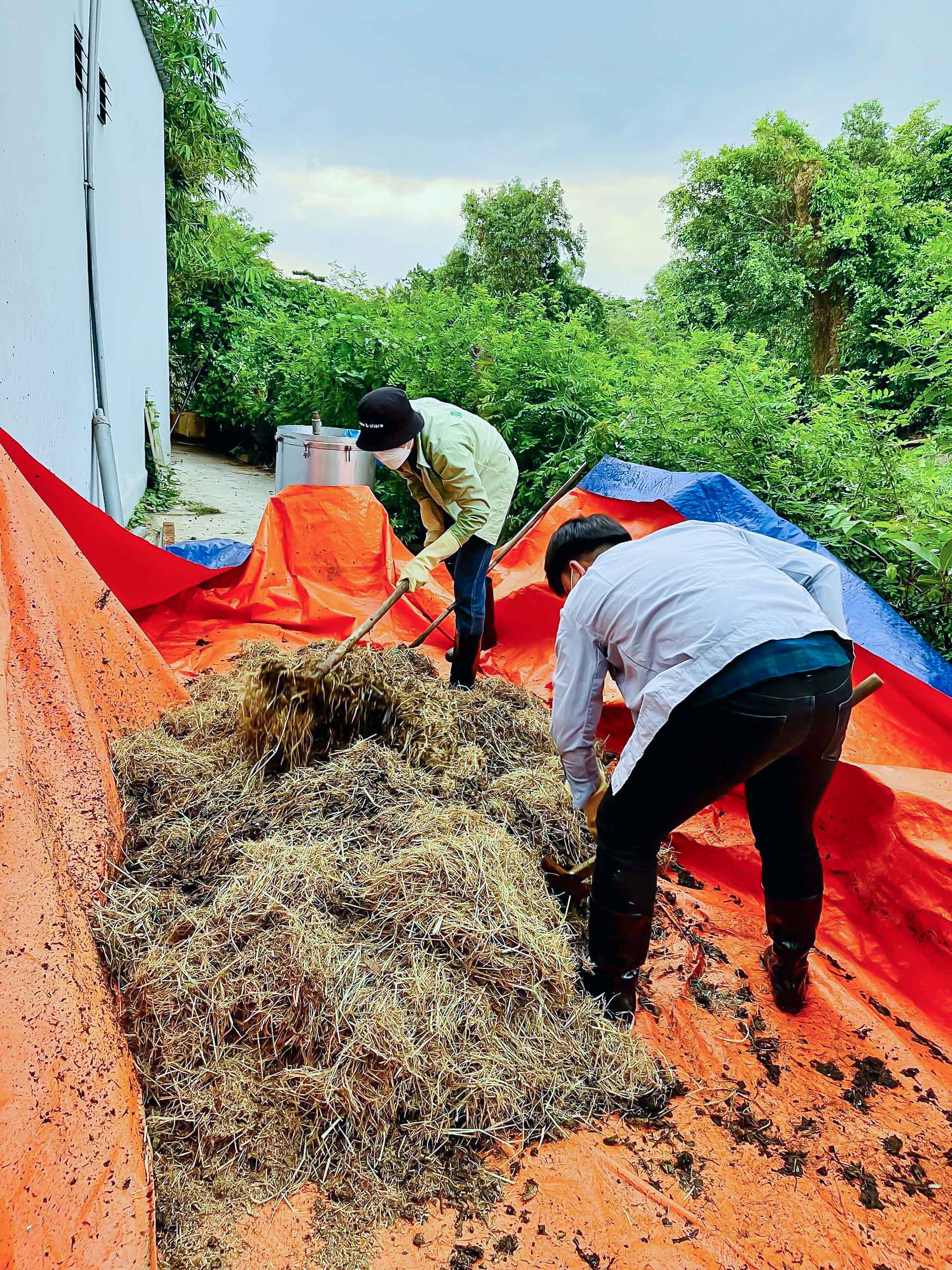
At Van Lang University, the research team applied the windrow composting process and forced air supply. The composting process was divided into two stages including the decomposition stage and the ripening stage. The operating process comprised 8 weeks of composting and 2 weeks of main incubation taking place from March to the end of June 2022.
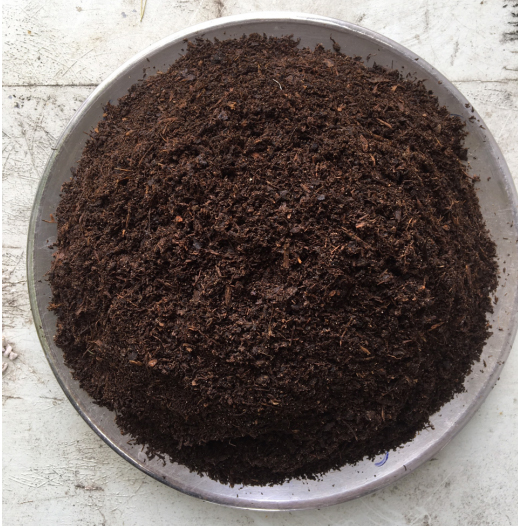
Compost products are sampled and analyzed according to the requirements stated in Standard 10TCN 526:2002. According to the results, 13/16 parameters of the compost met the standards. In particular, Cd and Salmonella were not detected. Other heavy metal parameters were also much lower than standards. This result indicates that compost can be used for horticultural purposes as a base fertilizer.
In general, the waste classification at source was quite good, shown by the proportion of plastic waste (0.4% of total solid waste). Besides, the process of reducing the amount of plastic waste could be changed by the way the households, collectors classified the waste together with the classification stage at the compost factory. In order to enhance the organic and nutritional content of compost, previous studies have recommended that pig or cow manure can be used as one of the first raw materials for the composting process.
|
Tin và ảnh: Khoa Môi trường
Tags